
Changing a Passenger Name on a Ticket
How airlines actually handle name corrections versus ownership transfers, with 24 hour windows, married names, middle names and OTA quirks explained.
12 min read · Updated March 2025
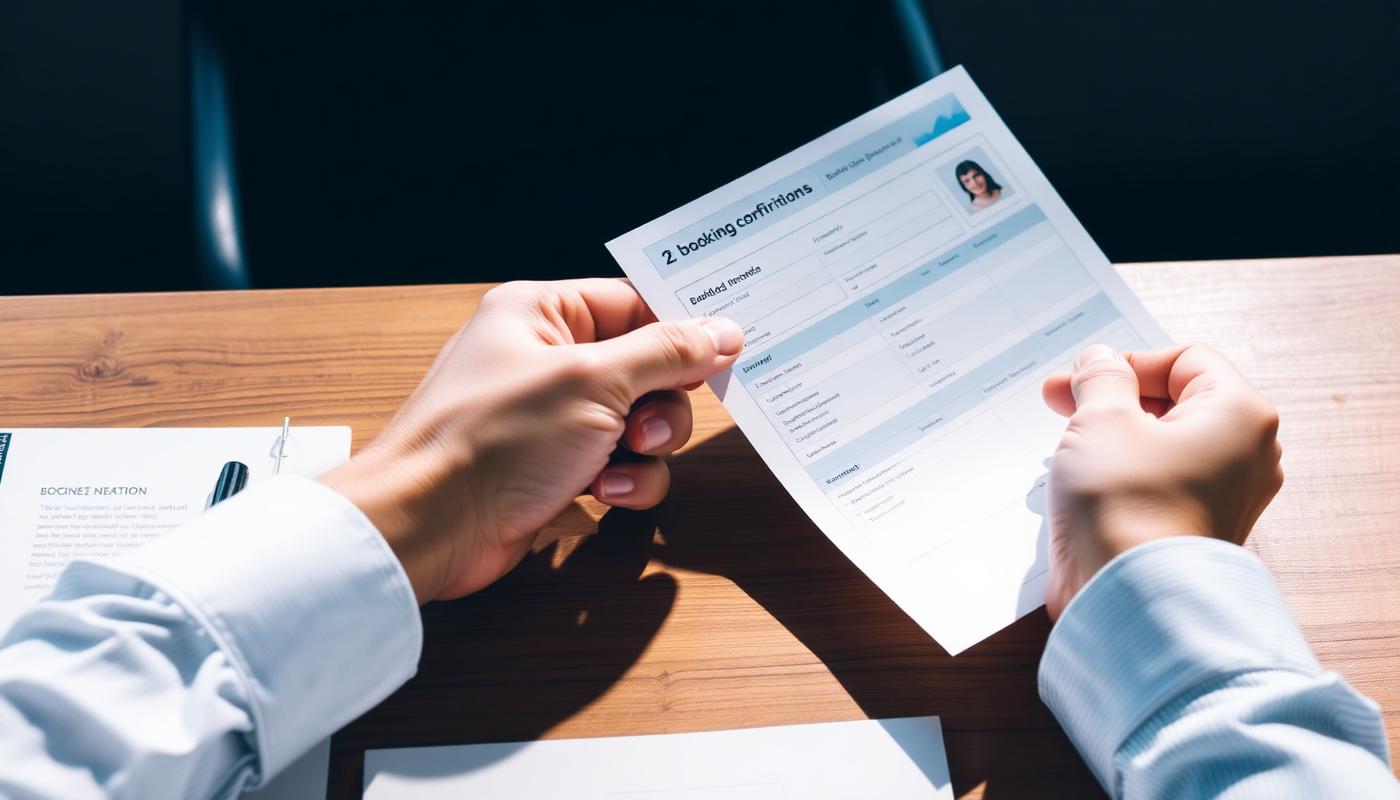
Somewhere between a rushed midnight booking and a fat-fingered keyboard, a huge number of airline tickets end up with a name that does not quite match the passport of the person meant to be flying. Sometimes it is a single transposed letter. Sometimes it is a missing middle name that an online travel agency dropped without asking. Sometimes it is a legitimate life event, a marriage or a legal name change, and the ticket was booked before the paperwork caught up. All of these look similar from the passenger's chair, and all of them get treated very differently by the airline behind the counter. Understanding which bucket your problem falls into, before you call anyone, saves an enormous amount of time.
The problem: a typo is not the same as a new passenger
Airlines draw a hard line between correcting an existing name and transferring a ticket to a different person. A correction assumes the same human being is flying and the airline simply has the wrong string of characters for them. A transfer assumes a different human being is now going to occupy that seat. The first is routine. The second is, for the overwhelming majority of fare types sold by American, Delta, United, British Airways, Lufthansa, Air France, KLM and most other major carriers, simply not permitted. This is not an oversight. It is a deliberate control to stop tickets being resold, especially heavily discounted or award tickets, and it is enforced at the gate by matching the boarding pass name against a government issued photo ID or passport.
The trouble is that the line between "correction" and "transfer" is judged case by case, and airlines are understandably cagey about publishing an exact threshold, because publishing one invites people to test its edges. In practice, most carriers will accept a correction of a handful of characters: John Smtih to John Smith, Sarah Mcdonald to Sarah MacDonald, a missing hyphen in a double-barrelled surname. They will also generally accept the addition of a legal middle name that was simply never entered, and a married name update where the first name and date of birth stay identical and you can show documentation of the change. What they will not accept, on almost any fare, is swapping John Smith for his brother David Smith, even if David is happy to pay any resulting fare difference.
Solution: work out which category you are in, then use the right channel
Before contacting anyone, write down exactly what is wrong: the name as it currently appears on the reservation, the name as it appears on the travel document you will present, and the nature of the mismatch. If it is a simple spelling error, this is the easiest category to resolve and most airlines have a self-service option for it inside "Manage My Booking," particularly if the ticket was bought directly from the airline. If self-service is not available, a phone call to the airline's reservations line, quoting the record locator and explaining that it is a correction rather than a change of traveller, is usually enough. Some airlines, Delta among them, allow a limited number of character edits through their website without any agent involvement at all.
If the ticket was booked within the last 24 hours, check whether the flight departs at least seven days out, because in the United States the Department of Transportation requires airlines selling tickets for travel originating there to allow free cancellation or a full refund within 24 hours of booking, as long as that window falls at least a week before departure. If your booking qualifies, this is often faster and cleaner than requesting a correction: cancel the incorrect booking entirely and rebook with the name typed correctly. This sidesteps any argument about what counts as a permissible correction because there is nothing to correct, you are simply starting again. This window generally applies whether you booked directly or through most OTAs, though the OTA's own systems can lag, so confirm the refund has actually posted before assuming the original booking is void.
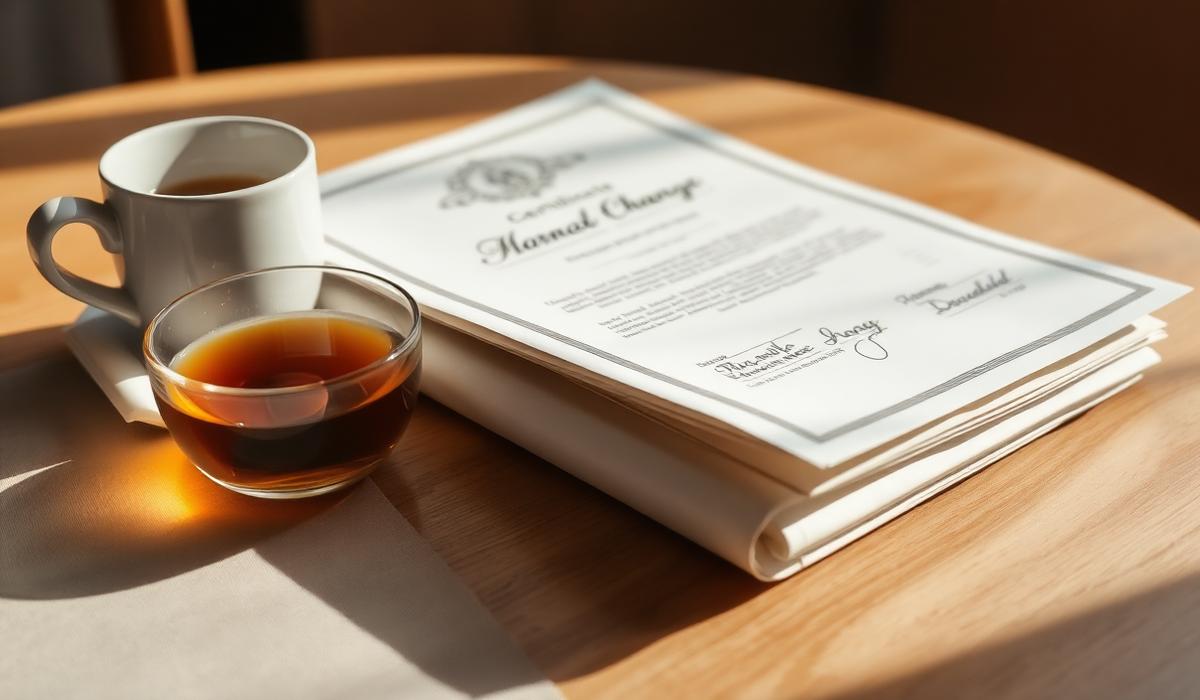
For a married name or legal name change, most airlines will ask for a supporting document, commonly a marriage certificate, a decree, or an updated passport. This is usually handled by a reservations agent rather than self-service, and it can take a business day or two to process, so this is not the fix to attempt the morning of departure if you can help it. Airlines vary in whether they charge a fee for this: some treat it as a routine correction with no cost, others levy a modest administrative fee, generally smaller than a change fee, since no fare rules are actually being reopened.
The OTA complication
Bookings made through an online travel agency, whether that is a large aggregator or a smaller regional site, add a genuine layer of friction. The airline's reservation system shows the OTA as the party that issued the ticket, and many airlines will decline to make changes directly with the passenger, redirecting them back to whichever site or app they booked through. This is frustrating when the OTA's own support queue runs to hours, but it is rarely worth fighting, because the airline agent usually cannot override it even if they sympathize. If you booked through an OTA and spot a name error, contact the OTA first, be specific about the correction versus transfer distinction in your message so their agent does not have to guess, and ask them to confirm in writing once the airline's system reflects the fix. It is worth checking the corrected name against your booking confirmation again a day later, since OTA to airline system syncing is not always instantaneous.
A related and commonly missed issue is middle names. Many OTAs, and some direct booking engines, only expose two fields, first and last, during checkout. If your passport carries a middle name as part of the legal given name, some countries' immigration and security systems expect to see it, and its absence can trigger extra scrutiny or, in stricter markets, a boarding denial. If you know your travel document lists a full given name with a middle component, check how the ticket actually reads before departure day, not after you are already through security wondering why the gate agent is frowning at the boarding pass.
Scenarios worth knowing in advance
A traveller books a Lufthansa flight from Frankfurt to Chicago three months out and notices the following week that her married surname was entered instead of the maiden name on her still-valid passport. Because the flight is well outside the 24 hour window, she calls Lufthansa, explains the mismatch, and is asked to email a scan of the passport photo page. The correction posts within a day, no fee is charged because it is treated as an administrative fix rather than a change, and she reprints her boarding pass to confirm.
A different traveller books through a discount OTA for a domestic United flight and, at online check-in the night before, notices his last name is missing a hyphen that appears on his driver's license. He contacts the OTA, which takes four hours to respond, confirms the fix is in progress, and the corrected name appears on his boarding pass by morning. Had he booked directly with United, the same fix would likely have taken ten minutes on the phone.
A third traveller tries to put his ticket in his sister's name after he can no longer make the trip. Every airline he contacts, American, British Airways and Air France among them, declines outright. The correct move here is not to keep asking different agents in the hope of a different answer, since ownership transfer is a policy position rather than an individual agent's discretion. The workable paths are a refund if the fare allows it, a travel credit in his own name for future use, or simply letting the ticket go and having his sister book fresh.
Outcome: what a clean resolution looks like
A successful name correction ends with three things matching: the reservation, the printed or mobile boarding pass, and the government issued document you present at security and at the gate. It is worth checking all three again the morning of travel, not just trusting a confirmation email from a week earlier, since the occasional system does not always propagate a correction all the way through to the boarding pass generator. If you are traveling internationally, this check matters even more, since immigration systems in many countries, including preclearance checks used by carriers flying into the United States, compare the ticketed name against the passport before boarding is permitted at all.
The broader lesson is to catch the error early. A misspelled name spotted the same day you book is a two minute fix through most airlines' self-service tools or a short phone call. The same error spotted at the airport, ninety minutes before an international departure, becomes a genuine risk to whether you fly that day at all. Whenever you book, whichever channel you use, take thirty seconds to read the passenger name back against your passport or ID before you close the tab.
Common mistakes that make a simple correction messy
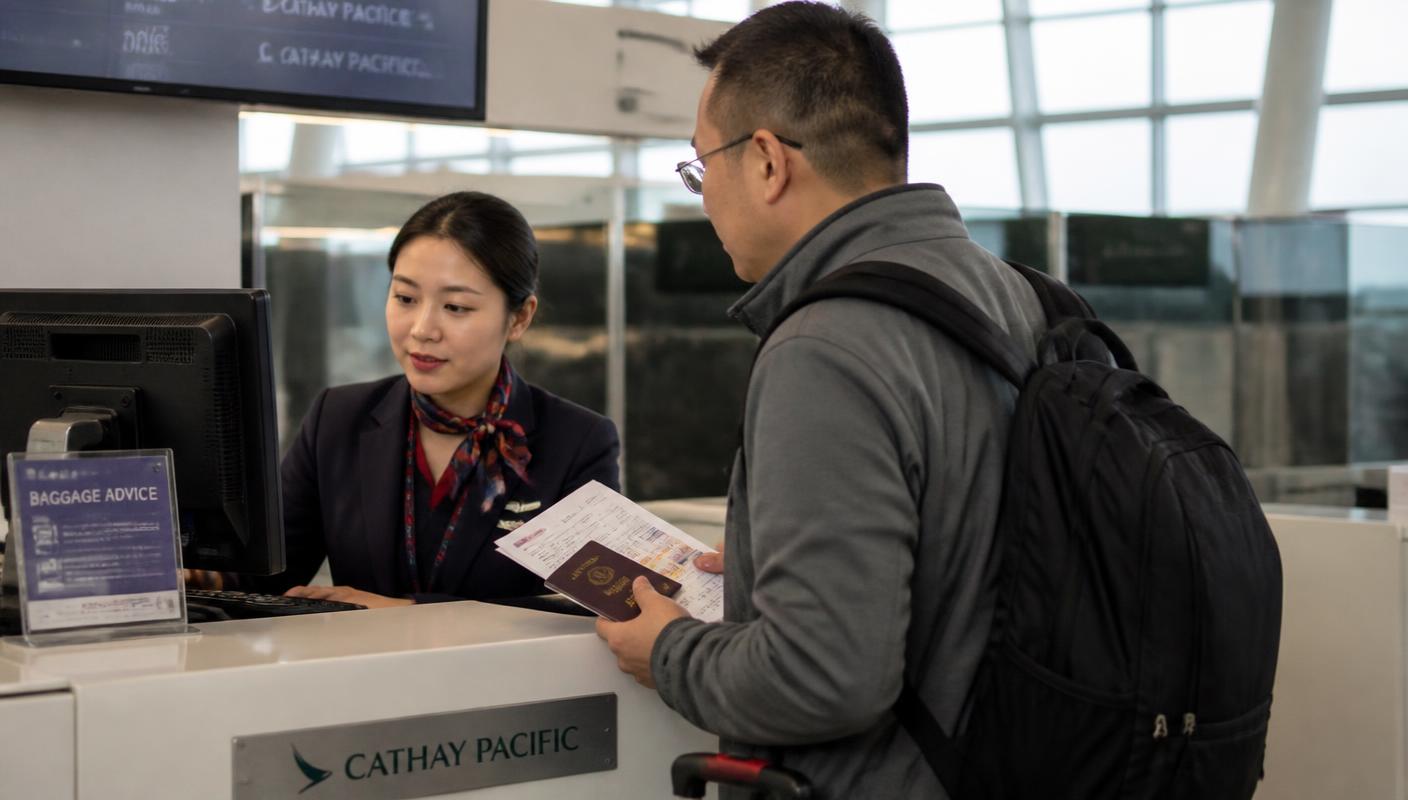
- Waiting until the day of departure to notice the mismatch. A correction that would have taken a phone call two weeks out becomes a rushed conversation at a check-in counter with a queue building behind you, and rushed conversations rarely go your way.
- Assuming a booking made through an OTA can be fixed by calling the airline directly. In most cases the airline will simply point you back to the OTA, because the OTA is the party of record on the reservation, and you will have burned time getting an answer you could have gotten faster elsewhere.
- Describing the situation to an agent as "I need to change the name" rather than "I need to correct a spelling error." Agents are trained to hear "change" as a possible ownership transfer request, and leading with clearer language, correction versus transfer, tends to route the call faster.
- Not keeping documentation ready for a married name or legal name update. Having a scanned marriage certificate or updated passport on hand before you call, rather than promising to send it later, often shaves a full business day off the process.
- Forgetting to recheck the boarding pass itself after a correction posts. The reservation and the boarding pass are generated by slightly different systems in some airline setups, and a fix that shows correctly in "Manage My Booking" does not always mean the printed or mobile boarding pass has caught up yet.
How the major carriers tend to handle this, in general terms
None of the following should be read as a fixed policy quote, since airlines revise procedures and fee schedules regularly, but the general shape of how a handful of major carriers approach name corrections is worth knowing before you call.
| Airline | Typical approach to minor spelling corrections | Typical approach to married or legal name changes |
|---|---|---|
| American Airlines | Often correctable by phone or at a ticket counter with no fee for a small number of characters | Generally requires documentation and is handled by a reservations agent |
| Delta | Some self-service correction available online for direct bookings; otherwise a short call | Requires supporting documents, processed by an agent, timeline of a day or two is common |
| United | Phone or app correction for direct bookings, generally treated as routine if the traveller is unchanged | Documentation requested, similar timeline to other major US carriers |
| British Airways | Correction handled through Manage My Booking or by phone, with fee policy varying by fare | Documentation typically required, especially on international itineraries |
| Lufthansa | Corrections generally handled by phone or through a service center with a passport scan | Similar documentation requirement, processed centrally rather than at the gate |
As always, treat this table as a starting expectation rather than a guarantee. Fee schedules, the exact number of characters considered a "minor" correction, and whether a given fix requires an agent at all are the kind of details airlines change without much fanfare, so confirm the current rule for your fare and route before you assume a specific outcome.
A short checklist before you book, and before you fly
- Read the passenger name field back against your passport or ID at the moment of booking, not later.
- If your travel document carries a middle name, confirm it is included on the ticket if the route requires it.
- If you spot an error, act within the first 24 hours if you booked directly and the flight is a week or more out, since cancelling and rebooking may be simpler than requesting a correction.
- For a married or legal name change, gather your supporting document before calling, not after.
- Recheck the boarding pass itself, not just the reservation summary, in the day or two before departure.
- If you booked through an OTA, contact them first and be explicit that you are requesting a correction rather than a transfer.
Three situations, and what actually happens
The transposed letter
A passenger books LHR to JFK on British Airways and the surname is entered as "Thomspon" rather than "Thompson". This is the friendliest version of the problem. Two adjacent characters swapped, the name is still obviously the same person, and most carriers treat it as a clerical correction rather than a transfer of ownership. Call, quote the booking reference, read the passport line by line, and expect the change to be made while you are on the phone. Airlines differ on whether a service fee applies, and a correction made through a call centre sometimes carries a charge that the same correction made in the app would not.
The wrong person entirely
A colleague can no longer travel and someone suggests just changing the name on the ticket. On almost every scheduled airline this is not a correction, it is a transfer, and transfers are not permitted on standard tickets. Some charter and package operators do allow a named-passenger change for a fee, which is why the myth persists. For a Delta or United ticket, the practical route is to cancel under whatever rules the fare carries, take the credit or refund, and book fresh in the correct name.
The married name that does not match anymore
Here the ticket was correct when issued and the document changed afterwards. Airlines generally handle this as a legal name change and will ask for the marriage certificate or deed poll. Give yourself several working days rather than doing it at the airport, and travel with the supporting document in your hand luggage until both your passport and your frequent flyer profile show the same name.
Where to go next
Two more guides pair well with this one. read how-to-change-your-flight-date, Fixing a Wrong Booking Before It Costs You. The full Change Station index lists every guide in this module, and Rules Station covers the side of the trip this article does not. If the dates themselves are still moving, the itineraries in Route Station are built to absorb a shifted day.
Frequently asked questions
Related articles
Keep reading across the network

Change Station · 10 min read
How to Change Your Flight Date
A step by step process for moving a flight to a different date, what fare difference means, and when a change is worse than a new ticket.

Change Station · 12 min read
Fixing a Wrong Booking Before It Costs You
The most common flight booking mistakes, from wrong dates and airport codes to duplicate bookings, and how to fix each one quickly and cheaply.
Rules Station · 12 min read
Passport Validity Rules, Explained Properly
A decision tree for passport validity rules: the six month rule, blank page requirements, damaged passports, renewal timing and dual nationality.