
ST-01 / Route Station
Route Station
Route Station is the planning module of SuperStation95. It turns a destination into an itinerary with hours, distances and breaks attached, so a trip survives contact with real opening times and real feet.
Introduction
What Route Station covers
Route Station is where a trip stops being a vague idea and becomes a plan with hours attached to it.
Planning is mostly subtraction
The single most common planning mistake is additive thinking. A city has forty interesting things, a traveller has eleven waking hours, and the list gets written as if the two numbers were compatible. Route Station starts from the opposite direction. We begin with the time available, subtract transit, meals and rest, and only then decide what fits in what remains.
A useful day usually contains two anchors. An anchor is something that justifies the trip on its own: a cathedral interior, a museum you actually want to be inside, a viewpoint at the right hour, a specific meal. Around those anchors, everything else is optional. When a plan is built this way, dropping items feels like flexibility rather than failure.
Walking distance is the real currency
Distance on a map is misleading because cities are not flat and pedestrians are not consistent. A nine kilometre day sounds trivial to someone reading it at a desk and feels considerable on cobblestones in August. Route Station itineraries state the approximate walking distance and the terrain, because those two numbers predict how a day will feel better than any list of sights.
As a rule of thumb, under five kilometres is comfortable for almost anyone, five to nine is a normal sightseeing day with breaks, and beyond twelve you should be planning transport or splitting the route across two days. Hills, stairs and heat each shift the threshold downwards.
The half day arithmetic
Arrival and departure days are half days. This sounds obvious, but itineraries routinely treat them as whole ones. A morning flight lands, then there is transit into the city, then check in, and suddenly it is 15:00. A departure day ends at least three hours before the flight, plus transit, so a 17:00 departure realistically ends the day at noon.
Counting properly changes the plan. A three day trip is often really one full day and two halves. Knowing that in advance means the one full day gets the anchor that matters most, rather than the anchor that happened to be listed first.
Opening hours ruin more plans than weather
Every city has a closing day. Museums close on Mondays in much of Europe, many small shops close on Sundays, and religious sites restrict visits during services. Timed entry has spread to almost every major attraction, which means the plan has to be built around the slot rather than the other way round.
- Check closing days before choosing which day to do what.
- Note the last entry time, which is often an hour before closing.
- Book timed tickets the evening before, not the morning of.
- Confirm national and local holidays, which override ordinary schedules.
Sequence matters more than selection
Two itineraries can contain the same list of places and produce completely different days. Order decides crowd levels, light quality, queue length and how much backtracking you do. A route that starts at the most photographed spot at 07:00 and ends there again at 21:00 gives you two different versions of the same place without adding any distance.
Where possible, our routes are shaped as loops or gentle arcs rather than out and back lines. Backtracking is the quiet tax on badly ordered days.
Building a country route
Multi-city trips fail for one reason above all others: too many bases. Every hotel change costs roughly half a day once you count packing, checkout, transit, check in and the reorientation that follows. Two nights per base is the practical minimum, three is comfortable, and one night is only worth it when the location itself is the attraction.
Train and bus routes should be chosen for departure frequency as much as speed. A slightly slower connection that runs hourly is more forgiving than a fast one that runs twice a day, because the whole plan stops depending on a single departure.
Weekend trips
A weekend is the most common trip in the world and the least well served by traditional guides, which are written for people with a week. Weekend planning is about accepting a smaller scope early. One neighbourhood explored properly beats four neighbourhoods sampled from a tram window.
Our weekend routes follow the same pattern: arrive and orient, one full day with two anchors, then a slow departure morning within walking distance of the station or hotel. It is unglamorous and it works.
What Route Station does not do
We do not book anything, we do not rank hotels for commission, and we do not publish sponsored routes. When a route mentions a specific restaurant or ticket, it is because it fits the shape of the day, not because someone paid for the line. If a place we recommend closes or declines, we would rather remove the recommendation than replace it with whatever is nearest.
Where to go next
If your route is settled, move to Rules Station before you pack, since documents and cabin bag limits are the two things most likely to interfere with a well planned departure. If your dates are still moving, Change Station covers how a booking can be shifted without losing the fare.
Purpose
Why Route Station exists
Turn ideas into hours
A destination is not a plan. Route Station converts a rough idea into a sequence with timings, walking distances and realistic gaps between the parts that matter.
Protect short trips
Most travel is short. One day, a weekend, three days between meetings. Short trips fail for structural reasons, and structure is exactly what this Station provides.
Reduce decision fatigue
Deciding what to do next while standing on a street corner is the most expensive way to travel. Deciding it the night before costs nothing.
How to use it
A simple way to work through this Station
- 01
Fix the shape of the trip
Decide how many usable hours you have. Arrival and departure days are usually half days, not full ones.
- 02
Pick one anchor per half day
One major thing in the morning, one in the afternoon. Everything else is filler you can drop without regret.
- 03
Check the boring constraints
Opening hours, closing days, last entry times, national holidays and whether tickets need a timed slot.
- 04
Measure the walking
Anything over about eight kilometres in a day needs a sit-down break in the middle, or an unplanned taxi will appear.
- 05
Leave one gap
A deliberate empty hour absorbs delays. Without it, the first delay eats the last item on the list.
- 06
Write the fallback
A rain plan and a tired plan. Both should be indoors and within ten minutes of where you already are.
Featured article
Start with this one
Itinerary library
Every route published in this Station
Each one is a real, walkable plan with timings, transport notes and a budget attached. Nothing here is a destination overview.
Route Station · 9 min read
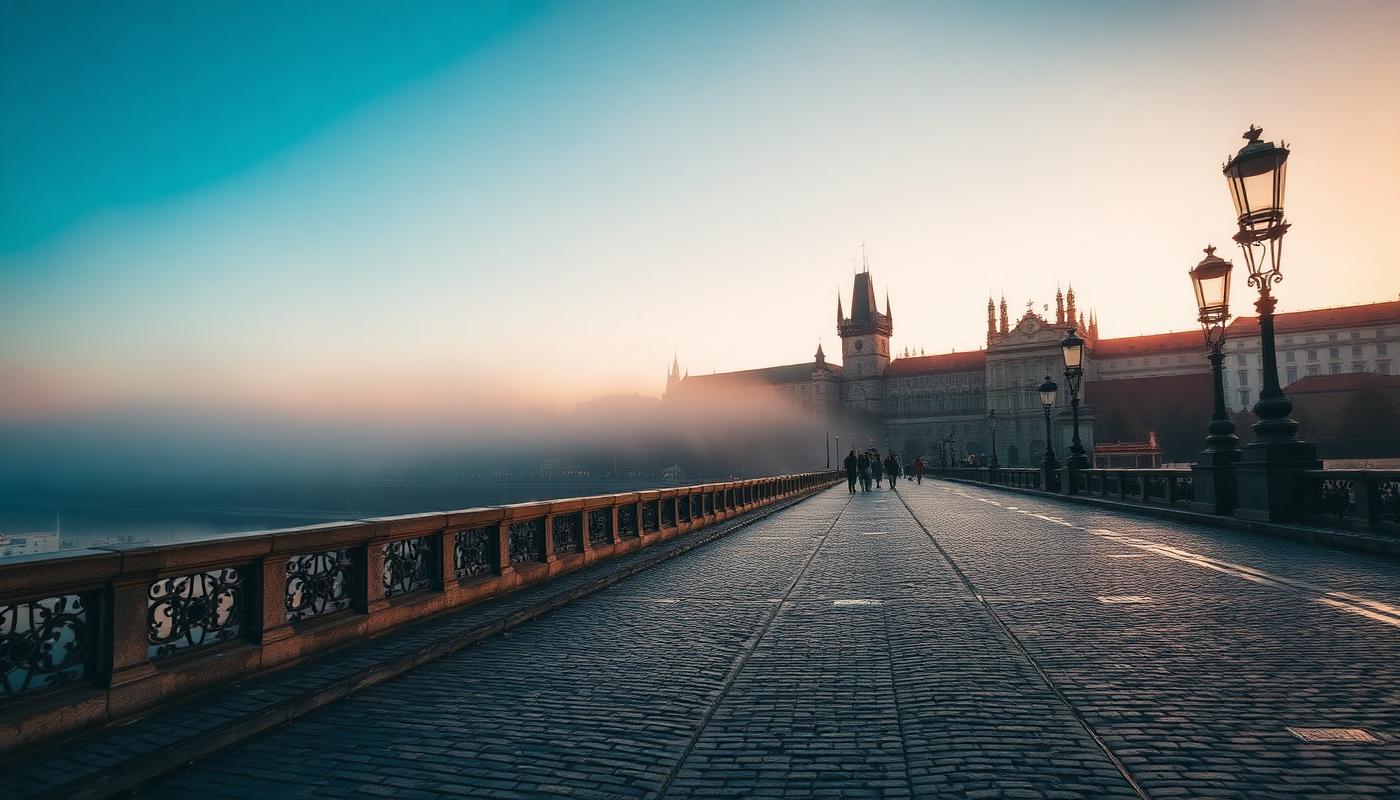
Prague in One Well-Paced Day
A realistic one day Prague itinerary built around walking distance, opening hours and a couple of long sit-down breaks.
Route Station · 13 min read
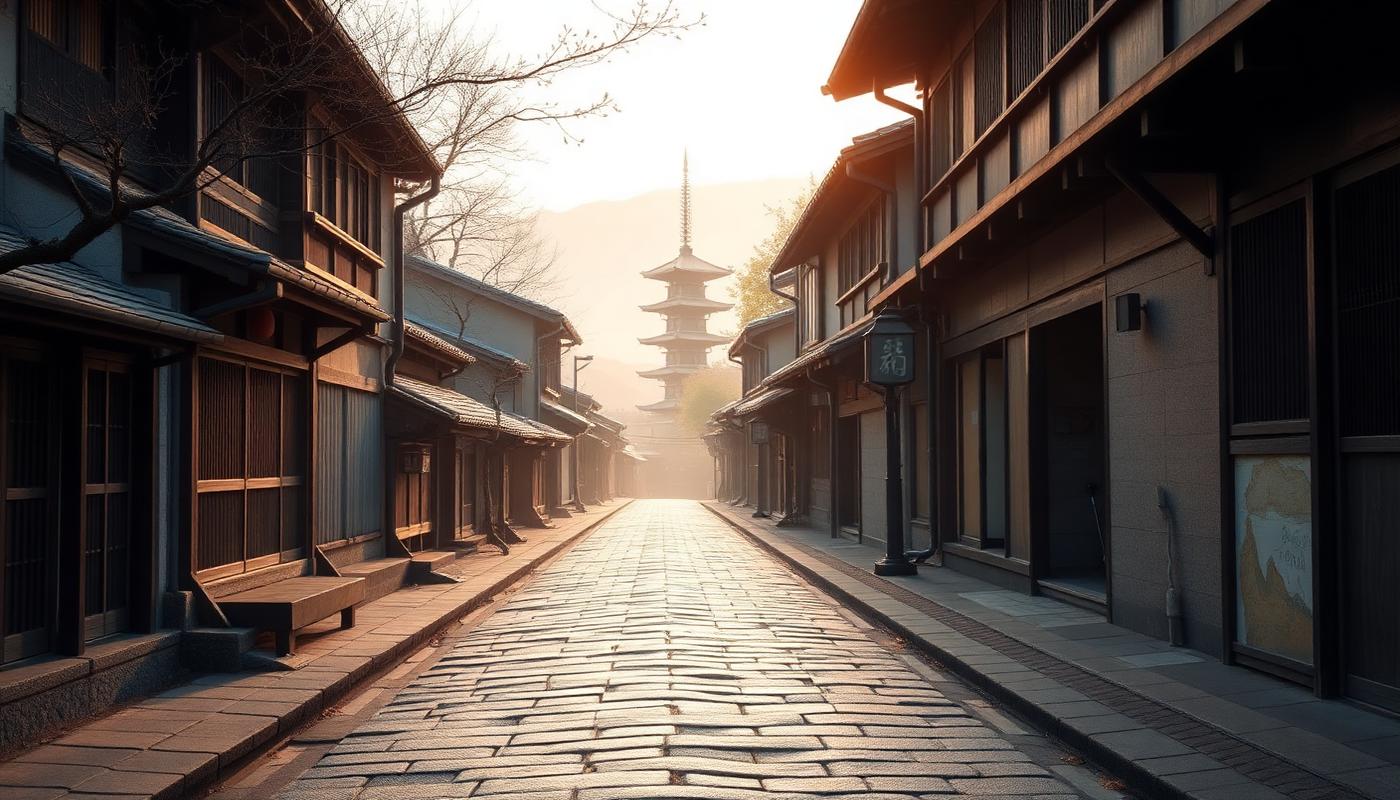
Kyoto in Three Days, Mostly on Foot
A three day Kyoto itinerary built around early starts, one bus pass and walking loops through Higashiyama, Arashiyama and the Nishiki area.
Route Station · 12 min read
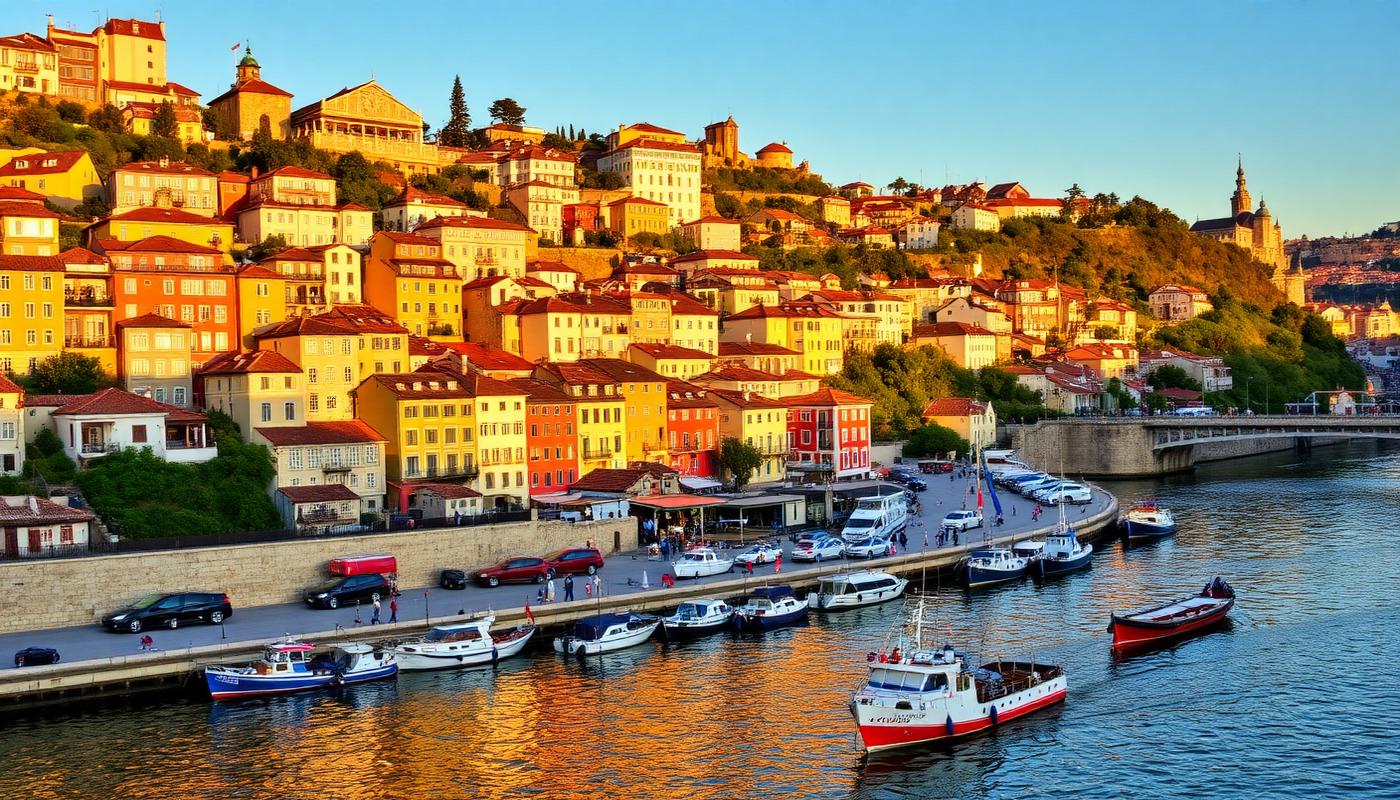
A Porto Weekend Built for Real Legs
A two and a half day Porto itinerary that respects the hills: Ribeira, Gaia cellars, Bolhao market and Foz, with timings, tram notes and a full budget.
Route Station · 12 min read
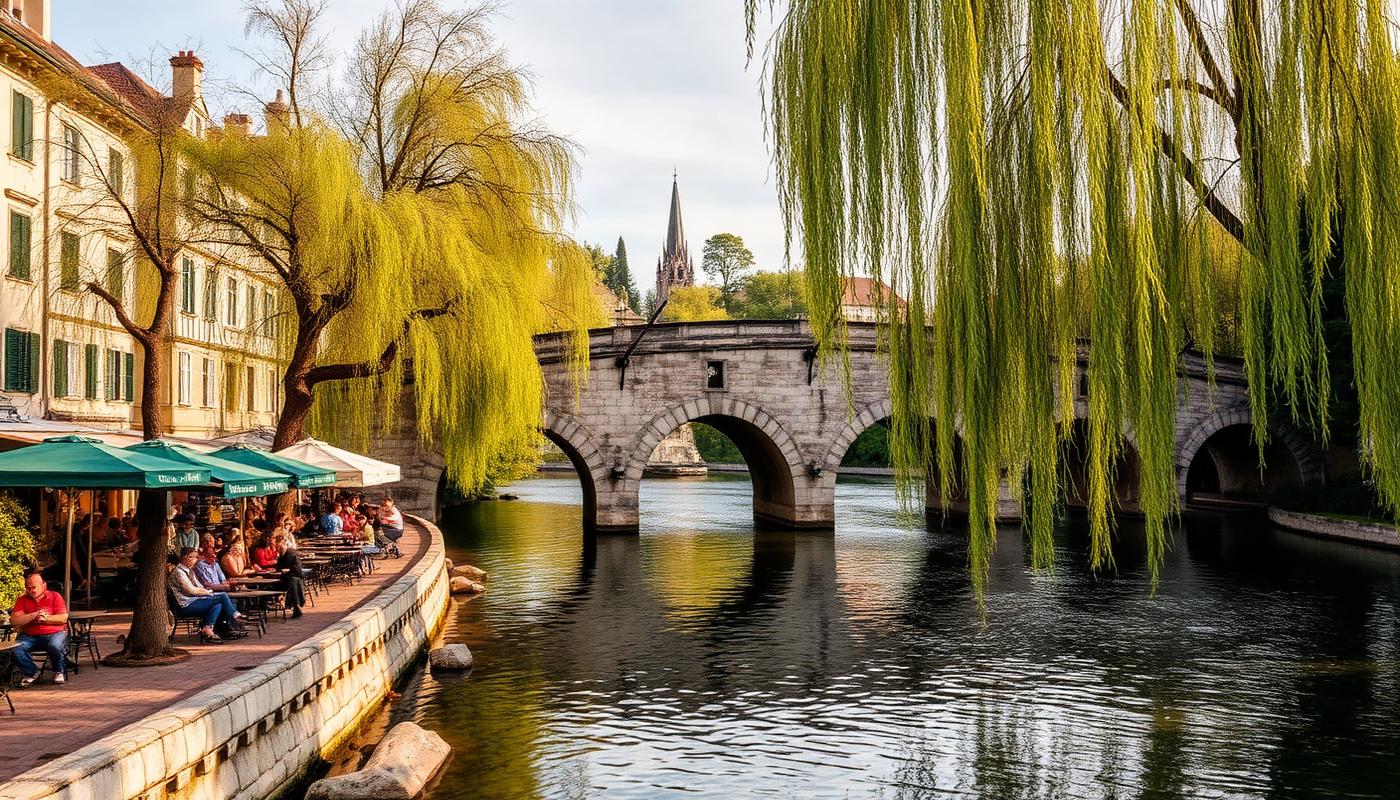
Ljubljana and Lake Bled in Two Unhurried Days
A two day Slovenia itinerary pairing Ljubljana's old town with Lake Bled and Vintgar Gorge, including bus times, walking distances and costs.
Route Station · 13 min read
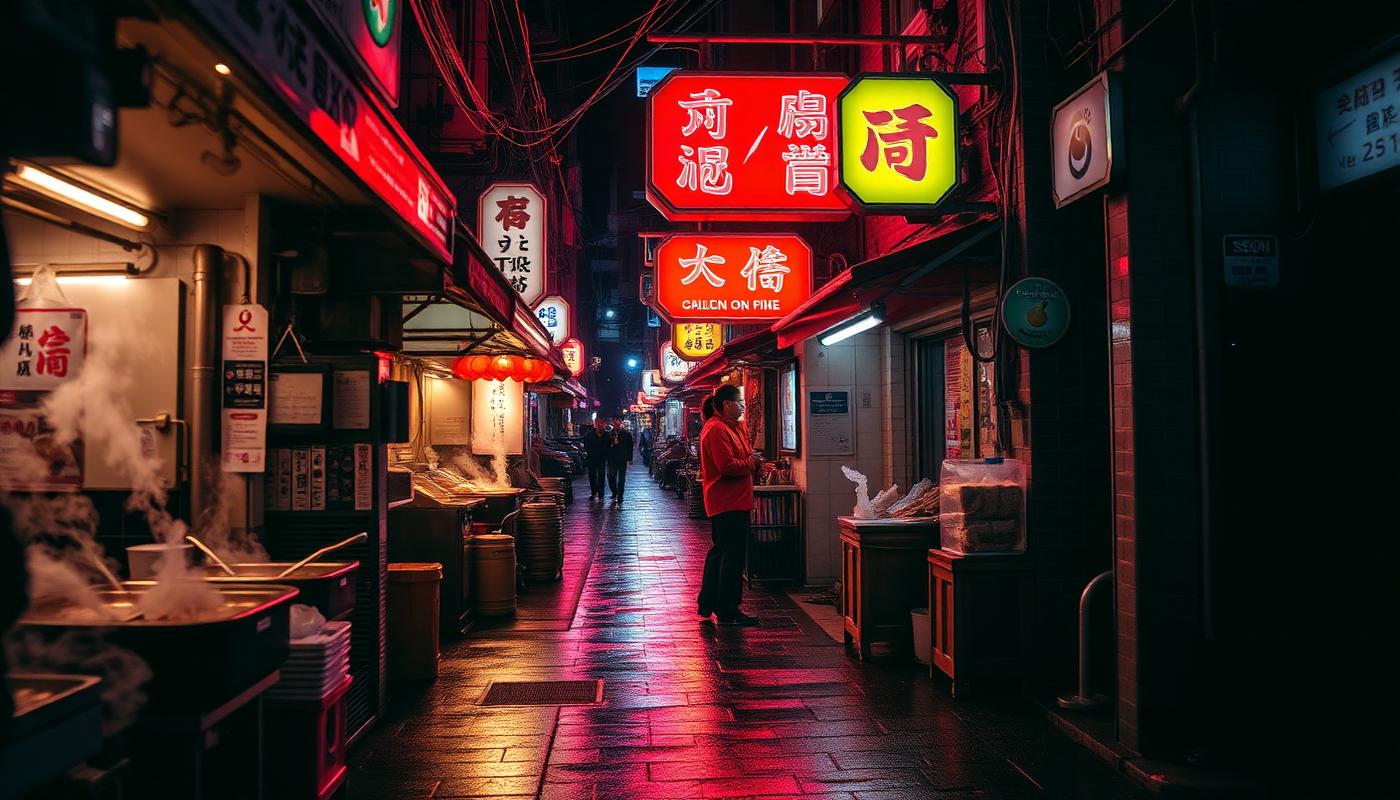
Seoul in Three Days, Food First
A three day Seoul itinerary organised around meals and neighbourhoods: Gwangjang market, Bukchon, Noryangjin, Hongdae and a night at Namsan.
Route Station · 13 min read
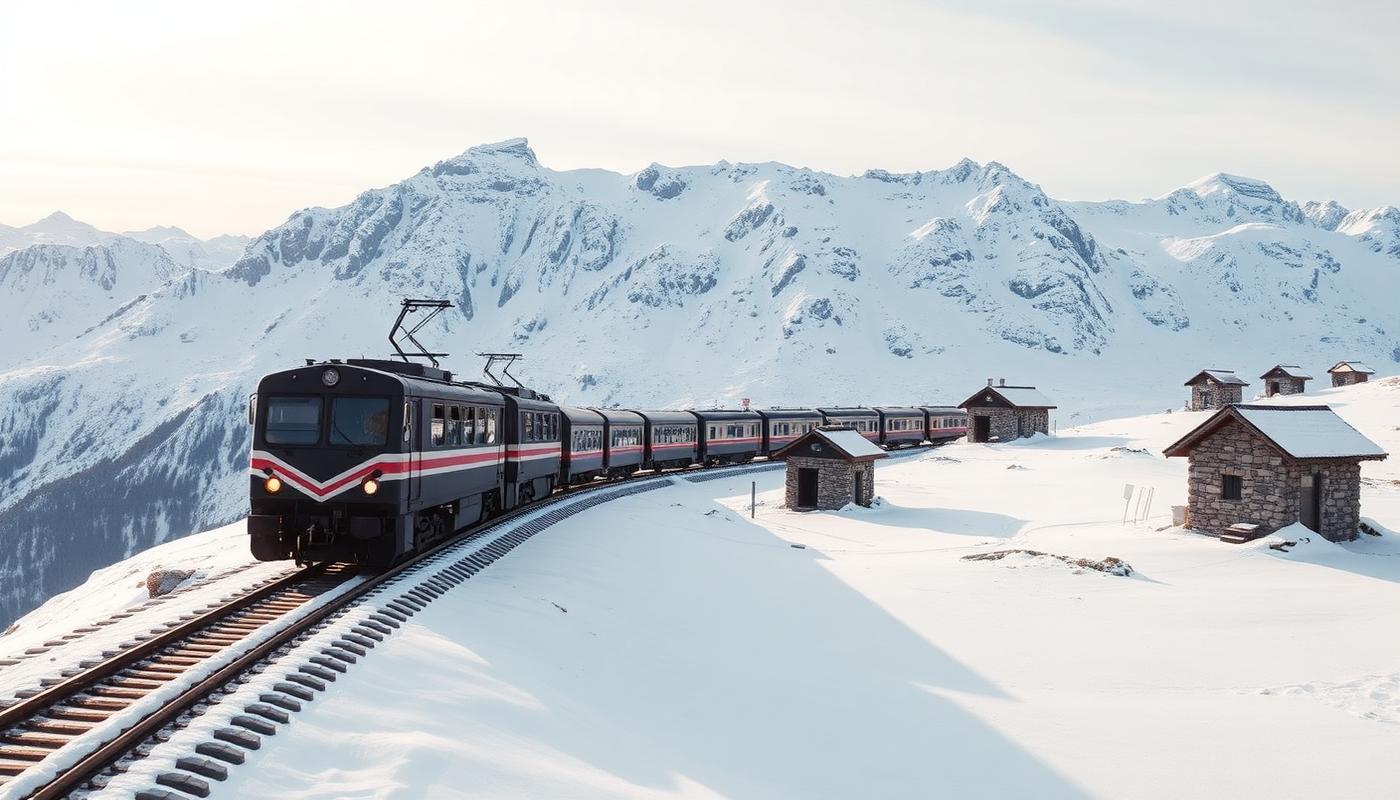
Oslo to Bergen by Train in Four Days
A four day rail itinerary from Oslo to Bergen with the Flam railway and the Naeroyfjord, including seat advice, timings and a realistic Norwegian budget.

Route Station · 12 min read
A Quebec City Winter Weekend That Works at Minus Fifteen
A three day winter itinerary for Quebec City built around short outdoor stretches, warm interiors, Montmorency Falls and Ile d'Orleans, with costs.
Route Station · 14 min read
Cape Town in Five Days, Weather Permitting
A five day Cape Town itinerary designed around wind and weather: Table Mountain, the Cape Peninsula, Bo-Kaap, the Winelands and Robben Island.
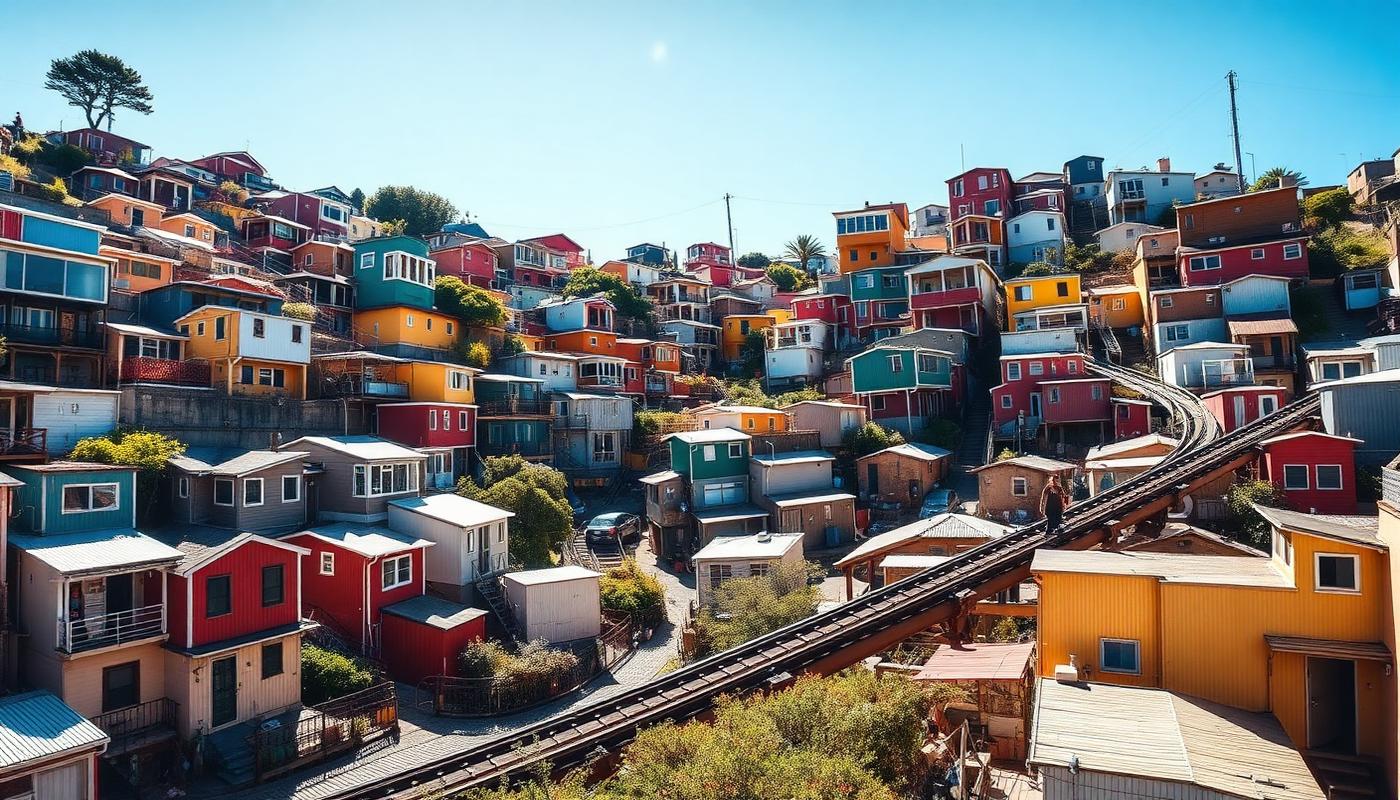
Route Station · 12 min read
Valparaiso and Santiago in Three Days
A three day Chile itinerary linking Santiago's neighbourhoods with Valparaiso's hillside funiculars and murals, including bus times and a full budget.
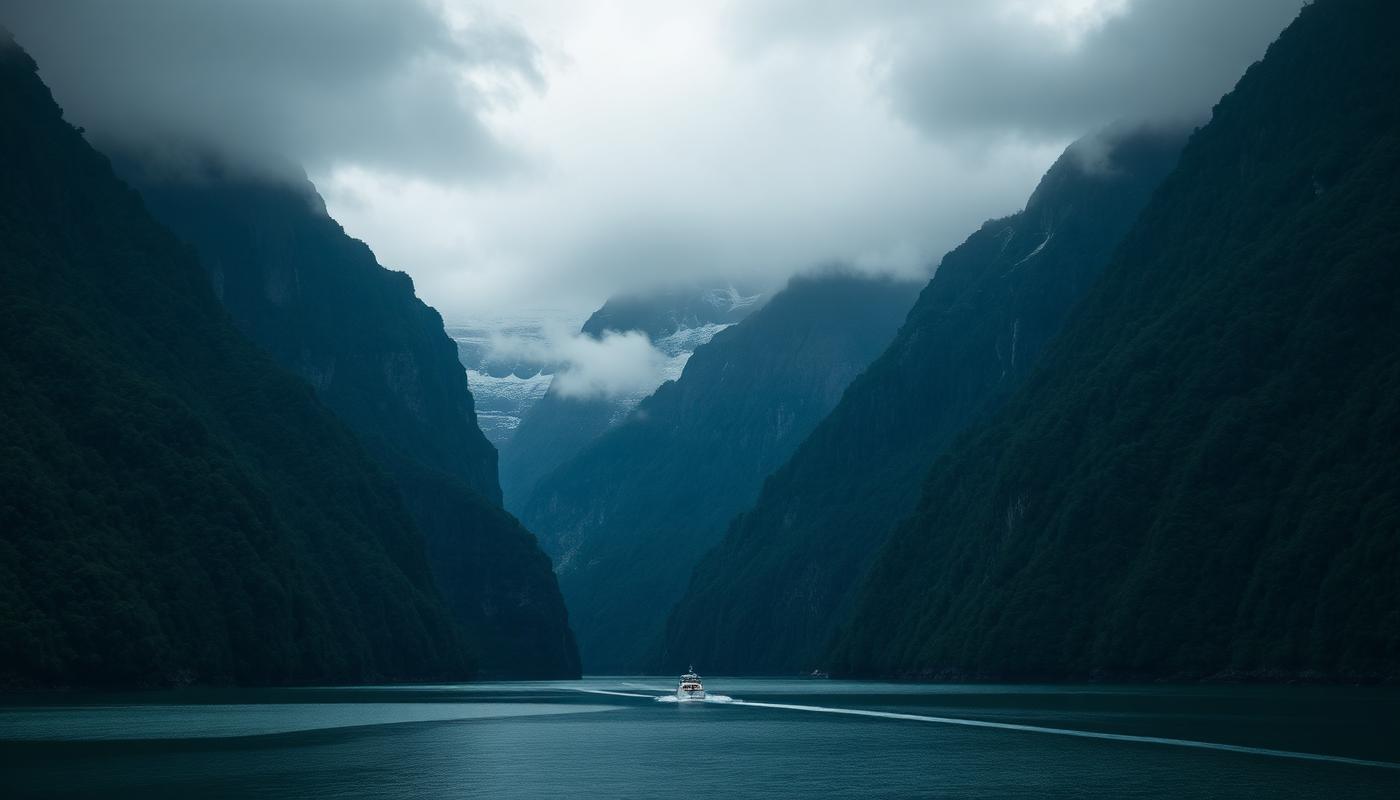
Route Station · 13 min read
Milford Sound and Queenstown in Four Days
A four day South Island itinerary combining Queenstown, Glenorchy, Te Anau and Milford Sound, with driving times, cruise advice and costs in NZD.
Route Station · 13 min read
Tasmania in Five Days: Hobart, Freycinet and Cradle Mountain
A five day Tasmania driving itinerary from Hobart through Freycinet to Cradle Mountain, with distances, walk grades, park pass details and costs in AUD.

Route Station · 14 min read
Petra and Wadi Rum in Four Days from Amman
A four day Jordan itinerary from Amman to Petra and Wadi Rum via the Dead Sea, with Jordan Pass advice, heat planning, timings and a full budget.
Related stations
Continue across the network
ST-02
Rules Station
Carry-on limits, baggage, passports, visas and the airport procedures nobody explains properly.
OpenST-03
Change Station
Changing dates, moving flights, using travel credits and correcting a booking without panic.
OpenST-04
Fix Station
Cancellations, missed connections, lost baggage and the fast decisions that save a trip.
Open