
A Porto Weekend Built for Real Legs
A two and a half day Porto itinerary that respects the hills: Ribeira, Gaia cellars, Bolhao market and Foz, with timings, tram notes and a full budget.
12 min read · Updated April 2025
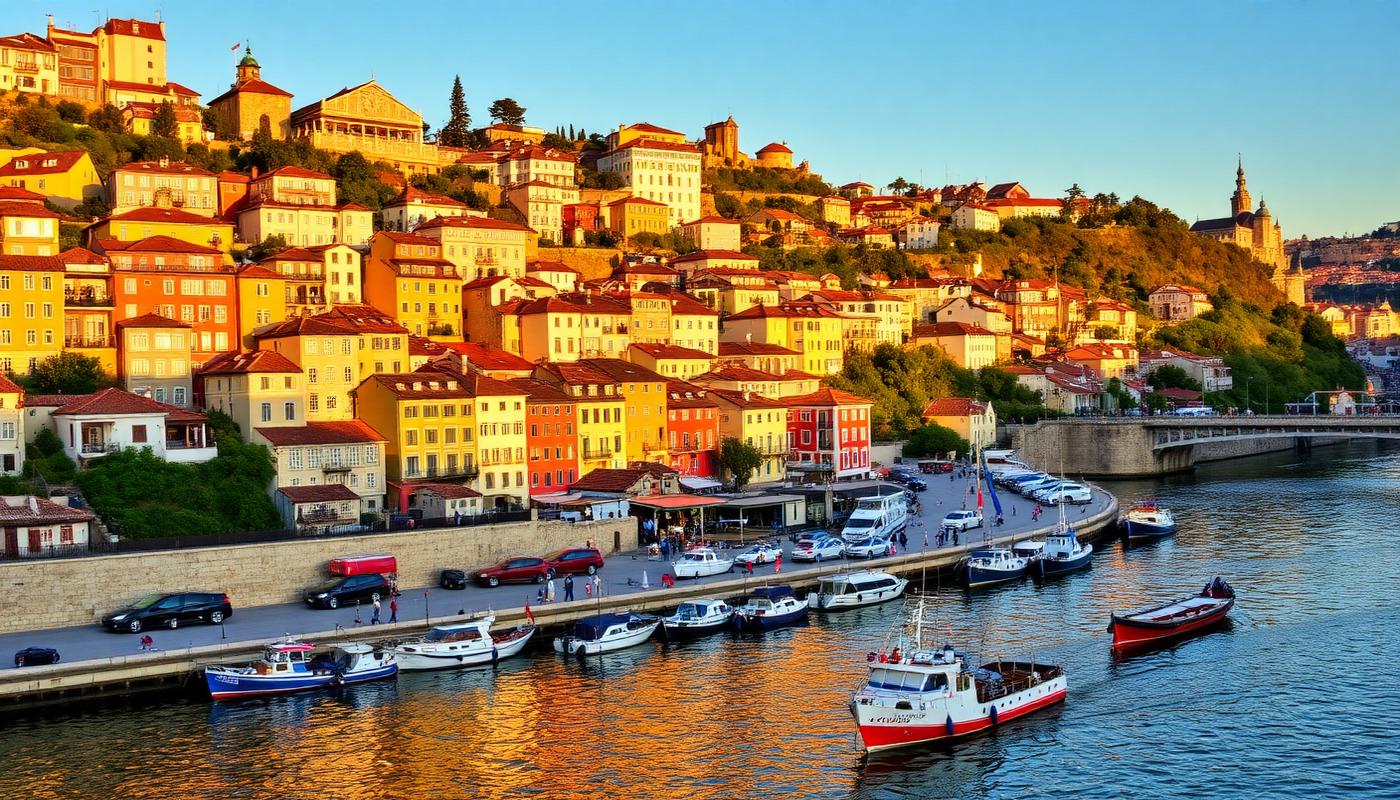
Porto is a small city with a big vertical problem. Everything you want to see sits either on the river or on the ridge above it, and the distance between those two things is about seventy metres of granite staircase. Itineraries written from a desk tend to ignore this and produce a day that looks like four kilometres and feels like nine. This one accounts for the climbing and puts the descents in the right order.
The shape is simple: arrive Friday evening, spend Saturday on the two riverbanks, spend Sunday on the market and the coast, and leave Sunday evening or Monday morning.
Who it suits
People with two and a half days and a mild interest in wine, tiles and grilled fish. It works well for couples and for solo travellers, and it is one of the easier European city breaks to do without a car. It is less suited to anyone with knee trouble unless you use the funicular and the taxis liberally, which is a completely reasonable adaptation and costs very little here.
Transport
Francisco Sa Carneiro airport connects to the centre on metro line E in about thirty minutes for a few euros. Get off at Trindade for most hotels or Sao Bento for the historic core. A taxi runs 20 to 30 EUR and takes twenty minutes outside rush hour.
Inside the city, walk. The two exceptions worth paying for are the Funicular dos Guindais, which lifts you from the riverfront to the Batalha area in a couple of minutes and saves an unpleasant climb, and tram line 1, which runs along the Douro to Foz and is the most enjoyable transport in the city even though it is slower than the bus.
- Metro line E, airport to Trindade: about 30 minutes.
- Funicular dos Guindais: about 4 EUR, runs until late evening.
- Tram 1 to Foz: about 25 minutes along the river, cash on board.
- Dom Luis I bridge, upper deck: metro and pedestrians, lower deck: cars and pedestrians.
Friday evening: orientation without commitment
Drop the bags and walk to Sao Bento station. It takes ten minutes, it is free, and the entrance hall is lined with twenty thousand azulejo tiles depicting battles and harvests. It is also a working station, so you get commuters walking through the middle of the most photographed hall in the city, which is a nice corrective.
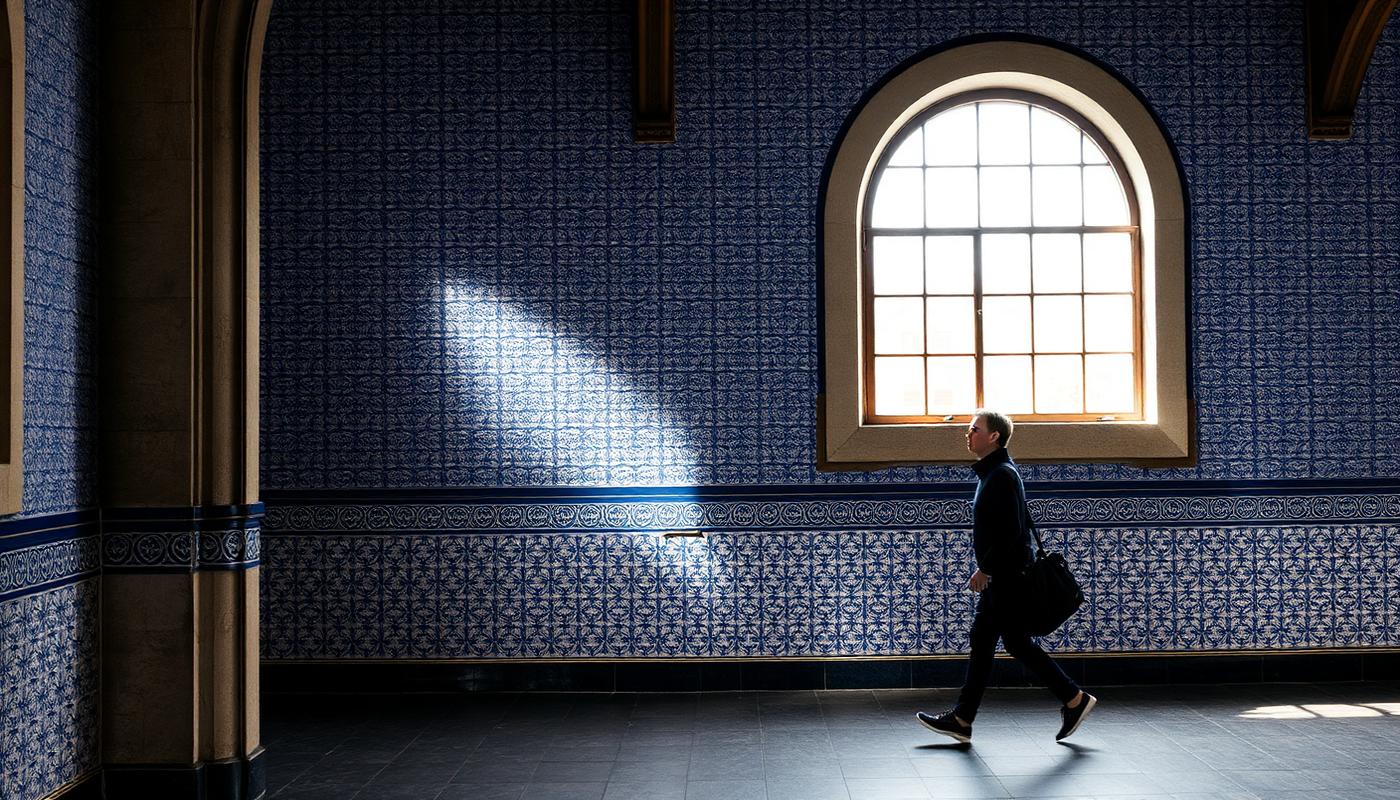
From there walk down Rua das Flores to the river and eat somewhere on the Ribeira waterfront, accepting that you are paying a view premium of maybe 20 percent. Do it once, on the first night, and then eat inland for the rest of the trip. Finish by crossing the upper deck of the Dom Luis I bridge at dusk. The walkway is next to the metro line, the drop is substantial, and the view back at the stacked houses is the reason people come to Porto.
Saturday: two banks, one long lunch
Start at 09:00 at the Se, the cathedral on the ridge. The building itself is austere and quick, but the terrace outside gives you the whole city laid out downhill. Then descend through the Barredo lanes towards Ribeira. This is a genuine descent through a residential area with laundry overhead, and it is far more interesting than the main road.
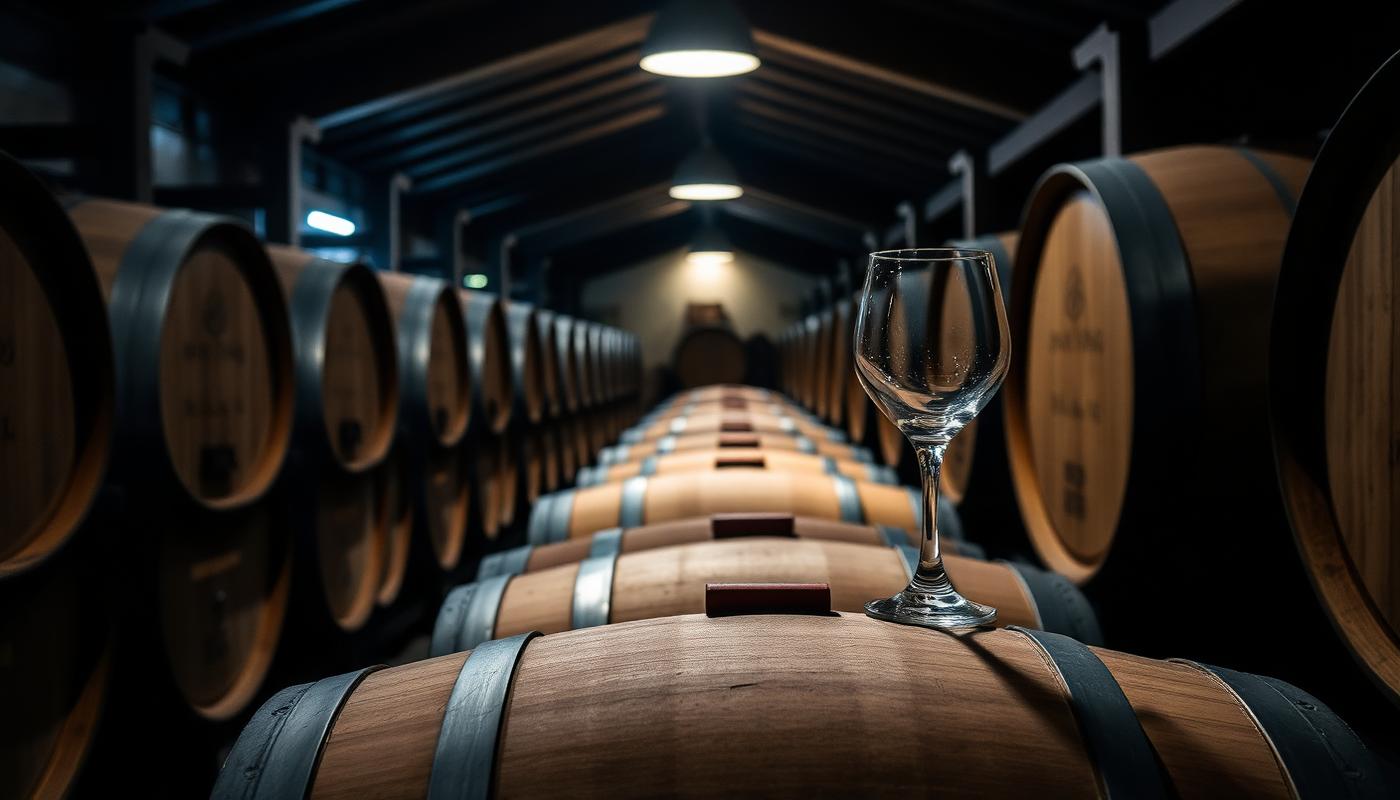
At the bottom, walk the Ribeira waterfront west for ten minutes, then cross the lower deck of the bridge into Vila Nova de Gaia. All the big port houses are on this side: Taylor's, Graham's, Sandeman, Ferreira, Calem and a dozen smaller ones. Book one tour for around 11:30. An hour underground among the barrels, with a tasting of three wines at the end, costs 20 to 35 EUR depending on the house and the age of the tawny.
Lunch in Gaia rather than back across the river. The restaurants a street or two behind the quay serve a proper lunch of grilled sardines or bacalhau for around 12 to 16 EUR. Take the long version of this lunch. You have just spent the morning descending and you are about to spend the afternoon climbing.
In the afternoon, cross back and go up. The Clerigos tower has 225 steps and a 360 degree view at the top for about 8 EUR. Livraria Lello, the bookshop with the curling red staircase, is nearby and requires a timed ticket that is deducted from any book you buy. It is small, it is crowded, and it takes twenty minutes. Decide in advance whether you want that or not, because the queue makes the decision much harder in person.

Finish the day with a drink in the Galerias de Paris street area, which fills up around 22:00 and stays that way. If you want dinner instead, the Cedofeita neighbourhood north of the tower has the better ratio of price to quality.
Sunday: market, coast and a slow exit
The Mercado do Bolhao reopened in its renovated building and is best before 11:00, when the fish and produce stalls are properly stocked. It is cleaner and more organised than it used to be, which some locals grumble about, and it is still a real market rather than a food court.
After the market, take tram 1 from the Infante stop out to Foz do Douro. The ride follows the river the whole way and ends where the Douro meets the Atlantic. Walk the seafront promenade north for a kilometre or two, have coffee looking at the water, and let the trip end gently. This is the part of the weekend most people skip and then wish they had not.
If your flight is late, add the Serralves museum and its gardens on the way back, or the Casa da Musica if modern architecture interests you more than modern art. Both are on the metro or a short taxi from Foz.
What to eat, specifically
- Francesinha, once, at lunch, and then never again on the same trip. It is a meat sandwich under melted cheese and beer sauce and it ends the day's ambitions.
- Bacalhau a bras, shredded salt cod with potato and egg, which is the reliable order everywhere.
- Sardines in summer, grilled outdoors, with boiled potatoes and a green salad.
- Pastel de nata with cinnamon at a pastelaria counter, standing up, costing about 1.30 EUR.
- A white port and tonic before dinner, which is what people actually drink here.
Budget
Per person, per day, in euros, for a comfortable but not extravagant weekend:
- Breakfast and coffee: 5 to 8 EUR.
- Lunch: 12 to 18 EUR.
- Dinner: 20 to 35 EUR.
- Port cellar tour with tasting: 20 to 35 EUR, once.
- Transport, including funicular and tram: 8 to 12 EUR.
- Entries such as Clerigos and Lello: 10 to 20 EUR.
A mid-range double room in the centre runs 90 to 160 EUR a night outside summer, and noticeably more in July and August or during the Sao Joao festival on 23 June, when the whole city stays outside all night hitting each other with plastic hammers. That is not a metaphor.
Adding the Douro valley
If you have a third day, do not add more Porto. Take the Douro line train from Sao Bento towards Pinhao. The last hour of that route runs directly along the river through terraced vineyards and is one of the better train rides in Europe. Pinhao is small, the return works comfortably in a day, and it costs under 30 EUR return.
What this costs, roughly
Budget planning for 2026 in euros: a single tram or metro ticket bought on board costs more than one bought from a machine or the Andante card, usually around 2 EUR versus 1.20 to 1.50 EUR loaded on card. A proper cellar tour with tasting at one of the larger Gaia lodges usually runs 15 to 25 EUR per person. Lunch at a tasca style restaurant with a daily fish or meat special typically comes to 12 to 18 EUR per person including a glass of wine, and dinner at a mid-range restaurant in Ribeira or Bolhao runs 25 to 40 EUR per person. A mid-range double room in the historic centre usually costs 90 to 150 EUR a night in shoulder season and noticeably more in July and August.
Neighbourhood by neighbourhood
Ribeira, the riverfront strip below the cathedral, puts you in the most photographed part of the city and within stumbling distance of the bridge for the Gaia crossing, but rooms here are often small, old buildings with no lift, and the streets outside your window stay lively well past midnight in summer. Bolhao and the streets around it, near the market, sit slightly uphill and give you a much shorter walk to the main shopping streets and the São Bento area, at the cost of losing the direct river view. Cedofeita, west of the centre, is quieter and has a younger, more local feel with better value for money, though it means a fifteen to twenty minute walk into the old town each morning. Vila Nova de Gaia, across the river, puts you next to the port lodges and gives you the best view back at Ribeira at night, but you lose the convenience of being inside the historic centre itself.
Food specifics worth knowing
Francesinha, the meat and cheese sandwich drowned in a beer and tomato based sauce, is a Porto invention and best eaten at lunch rather than as a light bite, since a proper one defeats most appetites on its own. Look for it at a casual tasca rather than anywhere with laminated tourist menus. Bacalhau, salt cod, turns up in dozens of preparations and a good starting point is bacalhau à Brás, shredded with egg and thin fried potato. For something lighter, tripas à moda do Porto, a tripe and bean stew, is the dish that gave the city's residents the nickname tripeiros, and it is worth trying once even if it sounds unpromising. A simple grilled sardine plate at a no frills restaurant near the market, eaten with bread and a green wine, is one of the better cheap meals in the city.
Common mistakes visitors make here
- Underestimating the hills and scheduling a day that looks flat on a map but is not.
- Walking straight past Livraria Lello's ticket queue expecting to browse for free. It is a paid, timed entry bookshop now, and the crowds inside are dense.
- Assuming all port is the same. Tawny, ruby and white port are genuinely different drinks and a decent tasting flight will make that clear quickly.
- Booking a cellar tour for the middle of the afternoon in July without checking it will not be an un-shaded outdoor queue first.
A gentler version, for less time or less mobility
With one full day rather than two, keep Ribeira, the cathedral terrace reached by the Elevador dos Guindais funicular rather than the steps, and one cellar tour across the river, then let the market and Foz go. For anyone who cannot manage the steep lanes easily, the funicular and the number 1 tram along the river both flatten out large sections of this itinerary, and the riverside promenade itself, on both banks, is level the entire way.
Related routes
For a similar small-city weekend with a lake attached, see Ljubljana and Lake Bled in two days. For another hillside port city with even steeper streets, read Valparaiso and Santiago in three days. The Route Station landing page has the general weekend template this follows.
Frequently asked questions
Related articles
Keep reading across the network
Route Station · 12 min read
Ljubljana and Lake Bled in Two Unhurried Days
A two day Slovenia itinerary pairing Ljubljana's old town with Lake Bled and Vintgar Gorge, including bus times, walking distances and costs.
Route Station · 12 min read
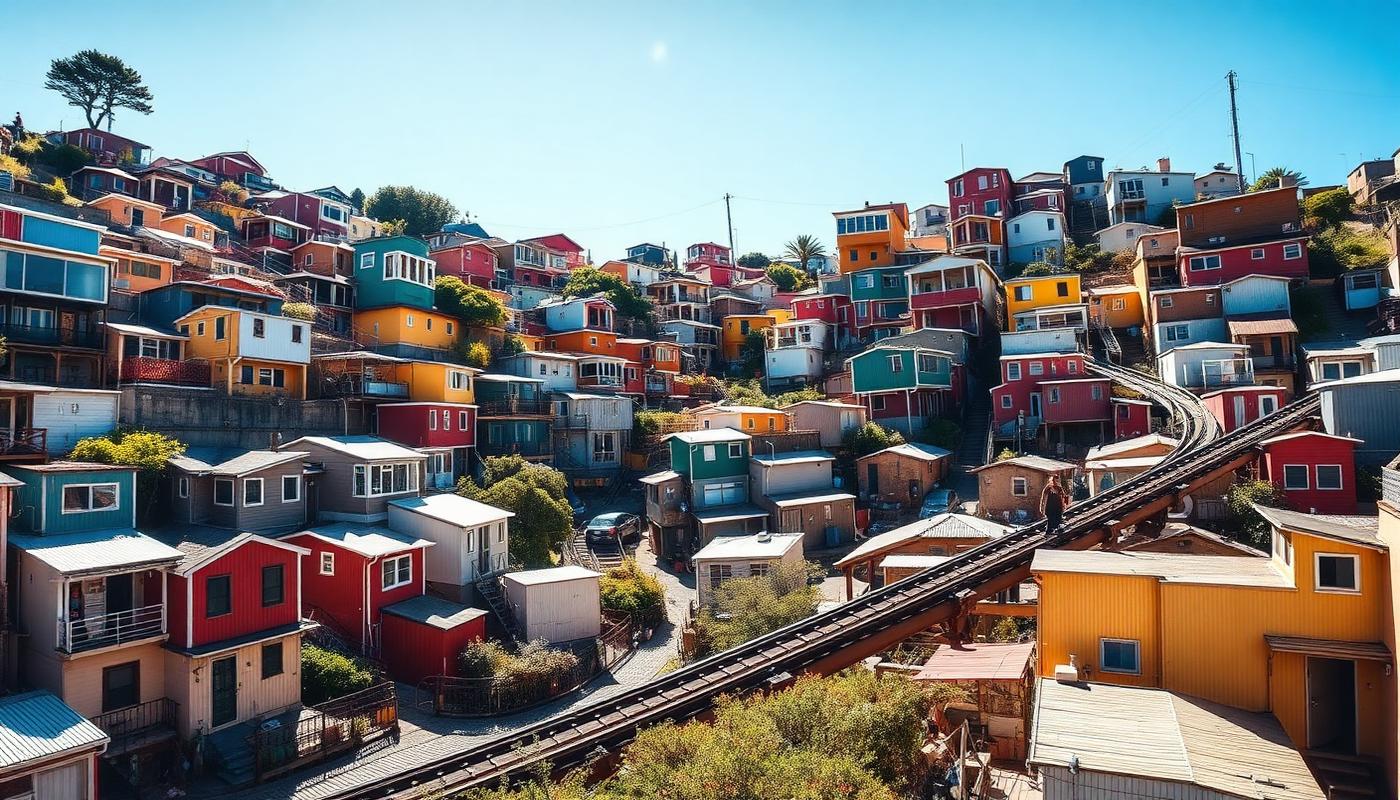
Valparaiso and Santiago in Three Days
A three day Chile itinerary linking Santiago's neighbourhoods with Valparaiso's hillside funiculars and murals, including bus times and a full budget.
Route Station · 13 min read
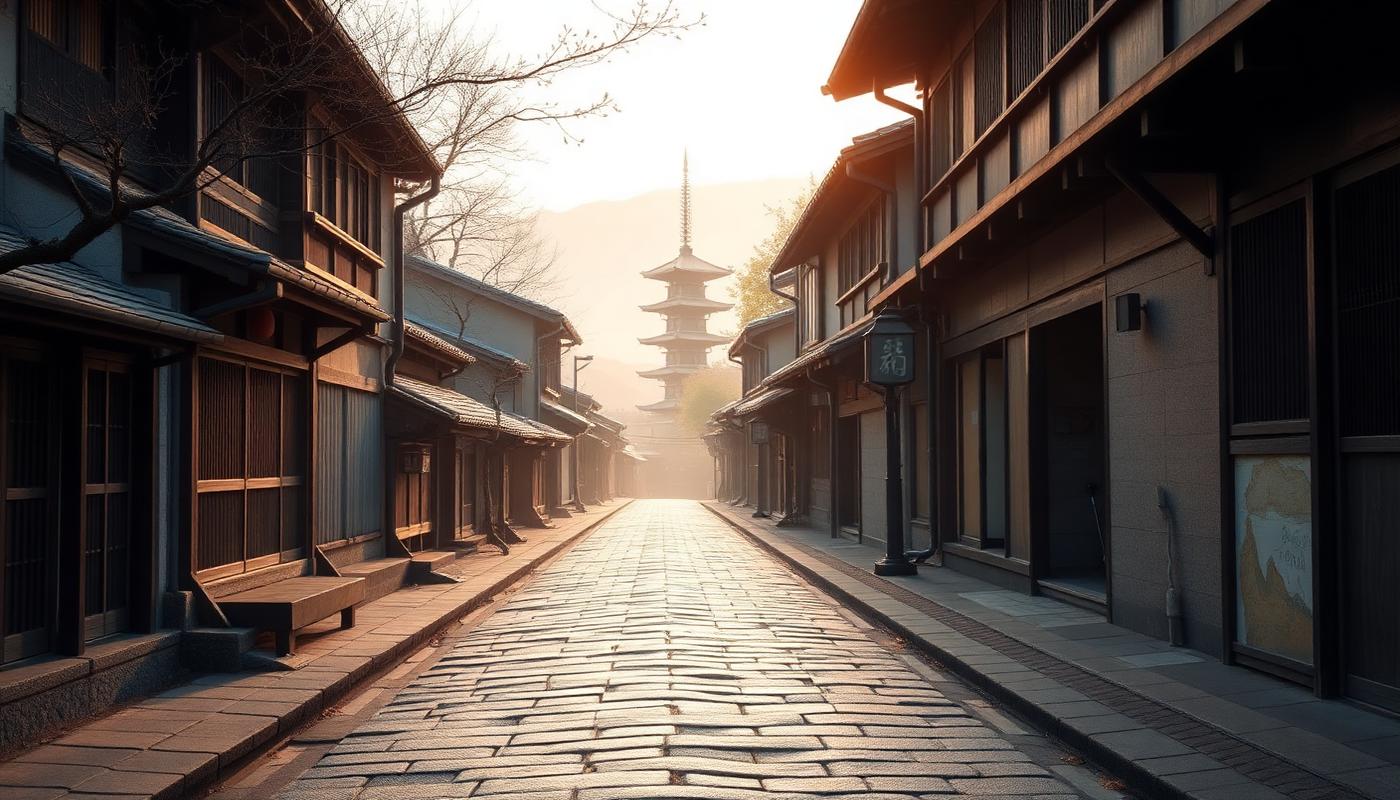
Kyoto in Three Days, Mostly on Foot
A three day Kyoto itinerary built around early starts, one bus pass and walking loops through Higashiyama, Arashiyama and the Nishiki area.