
Kyoto in Three Days, Mostly on Foot
A three day Kyoto itinerary built around early starts, one bus pass and walking loops through Higashiyama, Arashiyama and the Nishiki area.
13 min read · Updated March 2025
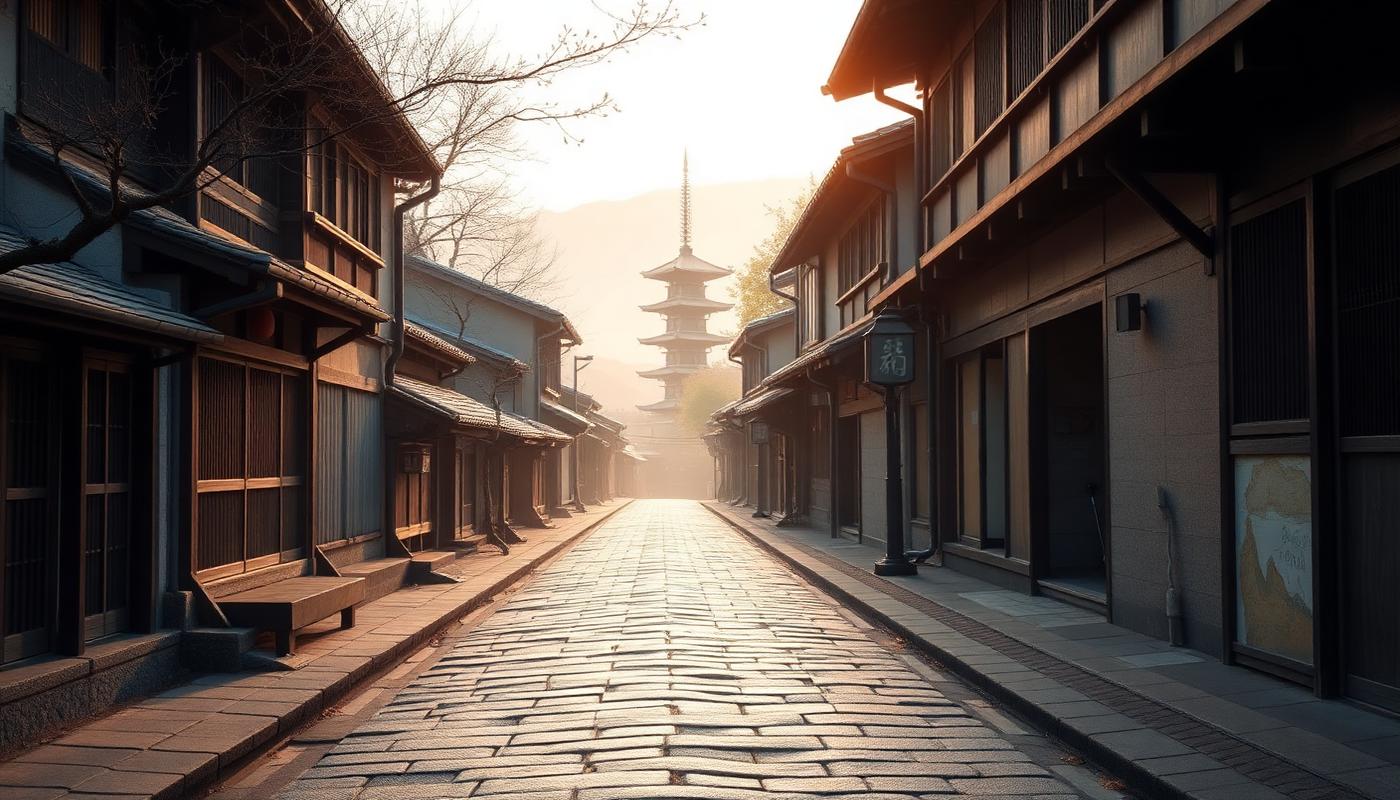
Kyoto punishes the itinerary that treats it as a list. There are more than a thousand temples here and a motivated visitor with a rail pass can see maybe fourteen of them in three days, at which point they blur into one long corridor of gravel and incense. This route does the opposite. It picks three geographic zones, one per day, and walks each one properly. You will see fewer things and remember more of them.
Total walking is around ten kilometres on day one, eleven on day two and seven on day three. Every day has one long sit-down meal in the middle, because Kyoto is a city where the afternoon heat or the afternoon cold will find you.
Who this route is for
It suits a first visit of three full days, for someone comfortable walking most of a day with breaks. It works for couples, solo travellers and reasonably patient teenagers. It works less well for very young children, mostly because of the stairs in Higashiyama and the distance between the bamboo grove and the nearest useful bench.
It also assumes you are staying somewhere near Kyoto Station, Karasuma or Gion. If your hotel is out towards Kitaoji or Fushimi, add twenty minutes to each morning and stop being surprised by it.
Getting in and getting around
Most people arrive at Kansai International Airport. The Haruka limited express runs to Kyoto Station in about 75 minutes and is the simplest option by a wide margin. The airport limousine bus costs a little less and takes longer, which only makes sense if you land with luggage that hates stairs.
Inside the city, load an IC card, either ICOCA or Suica, and stop thinking about it. Kyoto's buses are frequent and slow, the subway is fast on two lines only, and the JR line is useful for exactly one thing in this itinerary, which is getting to Saga-Arashiyama in the morning. Taxis are plentiful and reasonable for short hops after dark, and drivers generally know the temple names better than they know street numbers.
- Haruka express, Kansai to Kyoto: about 75 minutes.
- Kyoto Station to Gion by bus 206: about 20 minutes, longer in traffic.
- Kyoto Station to Saga-Arashiyama by JR: about 17 minutes.
- IC card top-up: 3,000 JPY covers three days of ordinary movement.
Day one: the eastern hills
Start at Kiyomizu-dera at opening, which is 06:00 for most of the year. This is the single best decision in the whole itinerary. The wooden stage over the hillside is a genuinely impressive piece of construction and at 06:15 you will share it with a handful of people and a lot of birds. By 10:00 the approach road is a shoulder-to-shoulder shopping street.
Walk down through Sannenzaka and Ninenzaka, the stepped stone lanes below the temple. This is the part of Kyoto that looks like the photographs and, unusually, it deserves to. Keep going north through Kodai-ji, then into Maruyama Park, then to Yasaka Shrine. That whole stretch is around two and a half kilometres and takes two hours if you stop, which you should.
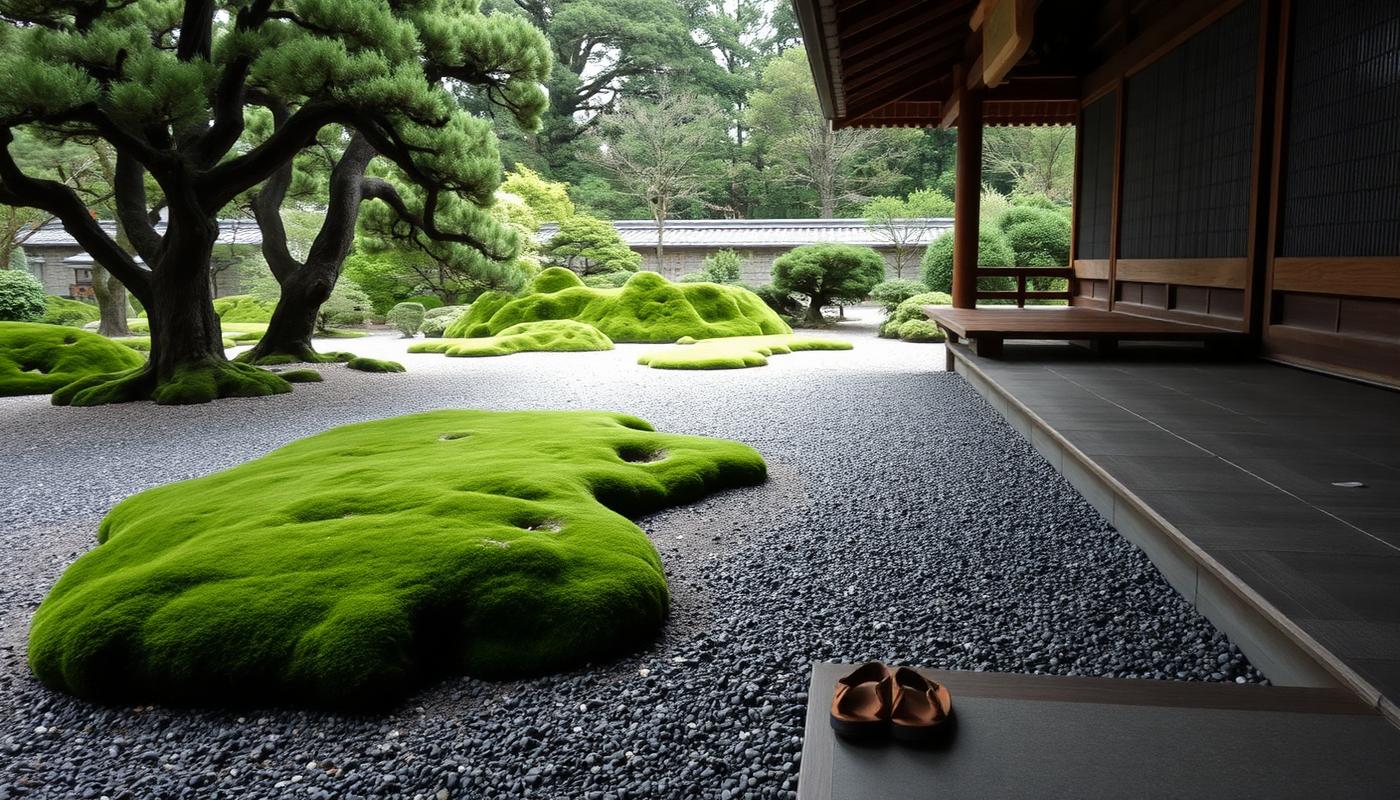
Break for lunch around 12:00 in the Gion area. Set-menu lunches at small restaurants here cost a fraction of the same kitchen's dinner and often need no reservation. Then take the afternoon slowly: Chion-in's gate, the Shoren-in garden if you want somewhere quiet, and the Philosopher's Path walking north towards Ginkaku-ji.
Ginkaku-ji closes at 17:00. If you are running late, skip it without guilt and spend the last hour on the canal path instead, which is free and arguably nicer in low light. Finish with dinner in Pontocho, the narrow lane running along the west bank of the Kamo river. It is touristy in the way that a place can be touristy and still good.
Day two: Arashiyama and the west
The bamboo grove is a fifteen minute walk that has been photographed roughly a billion times. It is worth seeing and it is worth seeing early. Take the first practical JR train to Saga-Arashiyama, aim to be in the grove by 07:45, and walk it once slowly. There is no ticket and no gate.
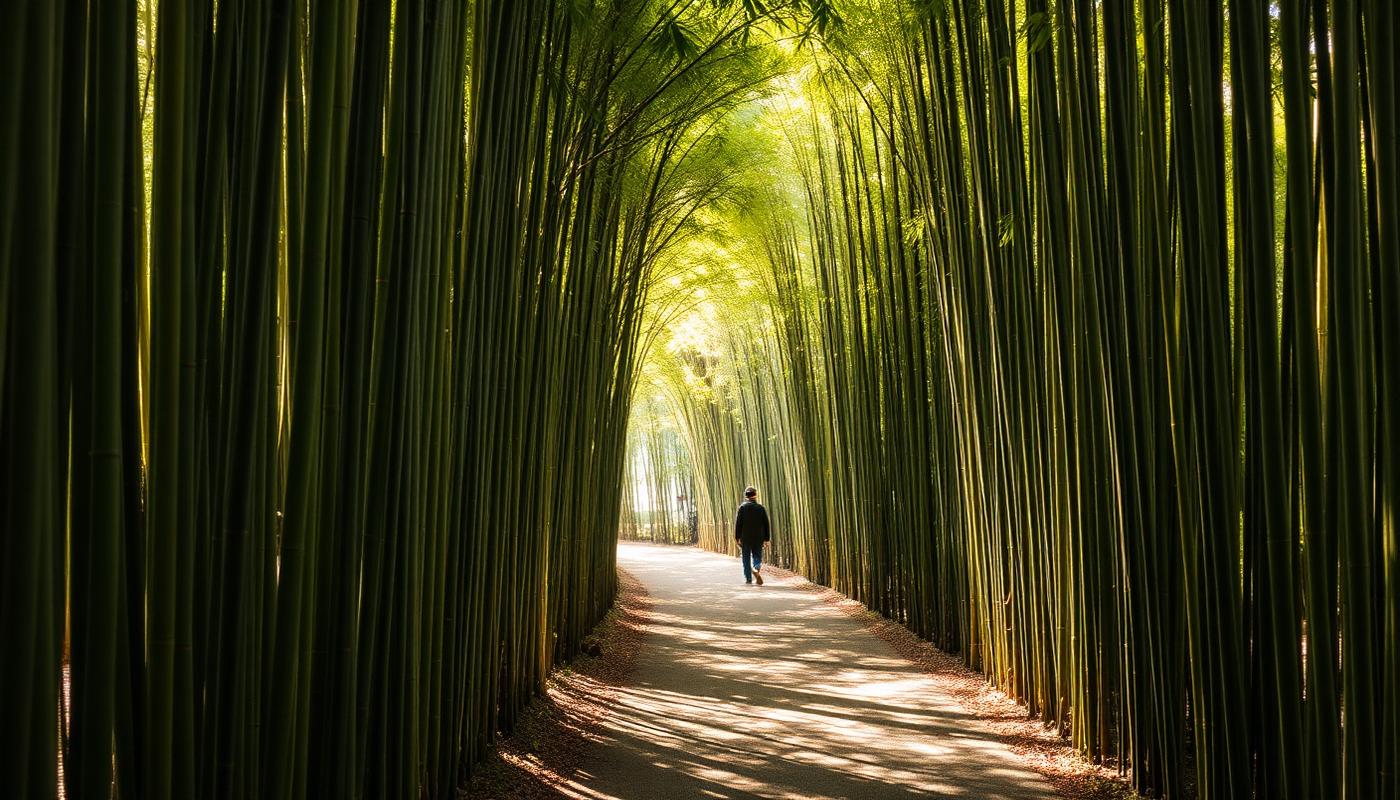
From the north end, continue into Okochi Sanso, the villa garden of a 1930s film actor. The ticket includes matcha and a small sweet, the circuit takes forty minutes, and hardly anyone goes in, which is very strange given that it has the best view in the district.
After that, walk down to the Katsura river and across the Togetsukyo bridge. If you have the legs, the Monkey Park Iwatayama climb takes twenty sweaty minutes and puts you above the whole valley with macaques wandering around. If you do not have the legs, sit by the water instead and eat something grilled from a street stall.
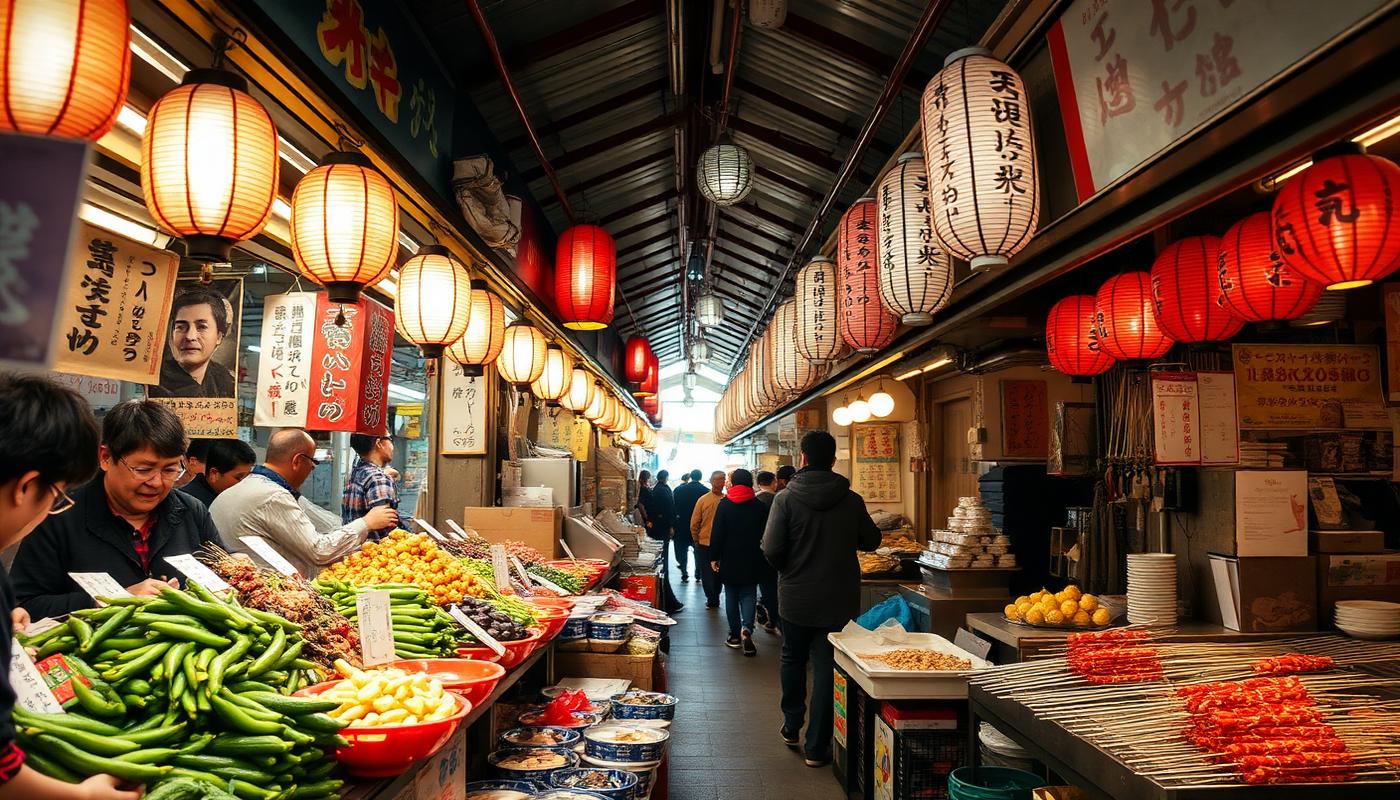
Return to the centre in the early afternoon and give the rest of the day to Nishiki Market and the covered shopping arcades around Shijo. Nishiki is roughly four hundred metres long, five metres wide and full of pickles, tamagoyaki, skewers and knife shops. Walk it once end to end without buying anything, then walk it back and buy properly.
Day three: gravel, gold and a slow finish
Day three is shorter on purpose. Start with Ryoan-ji and its dry garden: fifteen stones, raked gravel, a wall, and nothing else. Some people sit there for an hour. Some people are baffled after four minutes. Both are honest responses and you will not know which one you are until you sit down.
Kinkaku-ji, the gold pavilion, is a twenty minute walk or a short bus ride away. It is a one-way circuit around a pond and takes about thirty minutes including the queue for the photograph. Be honest with yourself that this is a photograph stop rather than a place to linger, and the visit becomes much more enjoyable.
Spend the afternoon on whichever thing you have been quietly wanting to do: a long coffee, a department store food hall in the basement of Daimaru, a second pass through Nishiki, or an onsen-style bathhouse in the suburbs. Kyoto rewards an unplanned final afternoon more than most cities.
Budget
Prices below are per person per day in Japanese yen, mid-2025, for a traveller who eats well but not lavishly.
- Transport with an IC card: 800 to 1,200 JPY.
- Temple and garden entries: 1,200 to 2,400 JPY.
- Lunch set menu: 1,000 to 1,800 JPY.
- Dinner: 2,500 to 5,000 JPY, more if you sit down in Pontocho.
- Coffee, snacks, one convenience store raid: 1,500 JPY.
That lands most people between 9,000 and 14,000 JPY a day before accommodation. Business hotels near the station run 12,000 to 20,000 JPY a night for a double in normal season, and considerably more in the first two weeks of April and the second half of November.
Timing the year
Cherry blossom in early April and maple colour in mid to late November are the two peaks, and they are peaks in every sense: hotel prices, temple queues, train reservations. If you go then, book accommodation months ahead and start every morning an hour earlier than this itinerary suggests.
June is rainy and quiet. July and August are genuinely hot and humid, the sort of heat where a temple garden in the afternoon becomes an endurance event. Late September through October is the sweet spot that nobody argues about: warm, dry, and not yet expensive.
Small things that make this route work
- Carry cash. Small temples, some buses and many older restaurants still do not take cards.
- Coin lockers at Kyoto Station and Arashiyama solve the arrival-day luggage problem for 700 JPY.
- Temples close between 16:00 and 17:00. Plan the last entry, not the closing time.
- Take shoes you can slip off. You will do it eight or nine times a day.
- Bukkake udon and a cold barley tea is the correct lunch on a hot day, and it costs almost nothing.
What this costs, roughly
Expect these to shift with the yen and with season, but for a mid-2026 planning baseline, a mid-range double room in a business hotel near Kyoto Station usually runs 13,000 to 22,000 JPY a night, more during cherry blossom and autumn colour. A single subway or bus ride is a flat 230 JPY, and a day pass for the city bus network is usually around 700 JPY, worth it only if you take four or more rides. A sit down dinner with a beer at a normal neighbourhood restaurant, not a tourist trap in Pontocho, usually comes to 2,500 to 4,000 JPY per person. Entry to a single major temple like Kiyomizu-dera or Kinkaku-ji is 400 to 600 JPY, and if you visit four or five across the three days you should budget around 2,000 to 2,500 JPY total for temple entries alone.
If it rains
Kyoto in the rainy season, mid June into mid July, is genuinely wet, and a plan built entirely around gravel gardens and outdoor lanes falls apart quickly. The good news is that most of what matters here has an indoor equivalent. Swap the Sannenzaka and Ninenzaka wander for the covered Nishiki Market and the Teramachi and Shinkyogoku shopping arcades, which run parallel to each other undercover for the better part of a kilometre. The Kyoto International Manga Museum, housed in a converted elementary school, is a full afternoon indoors and works for both adults and kids. Nijo Castle's interior rooms, with their famous nightingale floors that squeak on purpose to warn of intruders, are a covered circuit even though the grounds outside are not. And the basement food halls under the big department stores, Daimaru and Takashimaya on Shijo, are worth an hour on any day but especially a wet one.
If you are travelling with small children or with anyone who struggles on stairs, drop the Fushimi Inari add-on entirely, since the appeal of that trail is the climb, and it is a long one on uneven stone steps. Kinkaku-ji and Ryoan-ji are both flat, paved circuits and work well for strollers and for anyone who tires easily. The Arashiyama bamboo grove itself is flat too, though the paths either side of it are gravel and can be uneven after rain.
Common mistakes visitors make here
- Trying to see Higashiyama, Arashiyama and central Kyoto in one long day. The distances look small on a map and are not small on foot or in traffic.
- Arriving at Fushimi Inari or the bamboo grove at 10am and being surprised by the crowds. Both places are close to empty before 8am and unpleasant after 9.30am.
- Skipping cash. A meaningful number of small restaurants, temples and older shops in Kyoto still do not take cards, and the queue to find an ATM that accepts foreign cards is longer than it should be.
- Booking a hotel out near Kitaoji or Fushimi to save money, then losing thirty minutes each way getting back to the areas this itinerary covers.
- Wearing shoes that are awkward to remove. You will take them off far more often than first time visitors expect, at temples, at some restaurants and at traditional inns.
Where to base yourself
Kyoto Station is the practical choice: every train and most buses radiate from here, the department store food halls are a lift ride away, and hotel supply is large so prices are competitive. The trade-off is that the area itself is modern and characterless, and you will commute into the districts you actually came to see. Gion and the area around it put you inside the eastern hills atmosphere for an early Kiyomizu-dera start, but rooms are fewer, older and pricier, and the alleys are genuinely noisy with tourist foot traffic until quite late in the evening. Karasuma, the business spine running north from the station, is a reasonable middle option: less charm than Gion, better value than the station area, and an easy walk or short subway ride to most of what matters.
Where this route goes next
If you have a fourth day, Fushimi Inari at 06:30 or Nara's deer park are both easy additions by train. If you are continuing across Asia, our three day Seoul itinerary uses the same early-start logic in a much noisier city. For the planning principles behind all of this, the Route Station landing page explains why we build days by subtraction, and Prague in one well-paced day is the compressed version of the same method.
Frequently asked questions
Related articles
Keep reading across the network
Route Station · 13 min read
Seoul in Three Days, Food First
A three day Seoul itinerary organised around meals and neighbourhoods: Gwangjang market, Bukchon, Noryangjin, Hongdae and a night at Namsan.
Route Station · 12 min read
A Porto Weekend Built for Real Legs
A two and a half day Porto itinerary that respects the hills: Ribeira, Gaia cellars, Bolhao market and Foz, with timings, tram notes and a full budget.
Route Station · 9 min read
Prague in One Well-Paced Day
A realistic one day Prague itinerary built around walking distance, opening hours and a couple of long sit-down breaks.