Seoul in Three Days, Food First
A three day Seoul itinerary organised around meals and neighbourhoods: Gwangjang market, Bukchon, Noryangjin, Hongdae and a night at Namsan.
13 min read · Updated April 2025
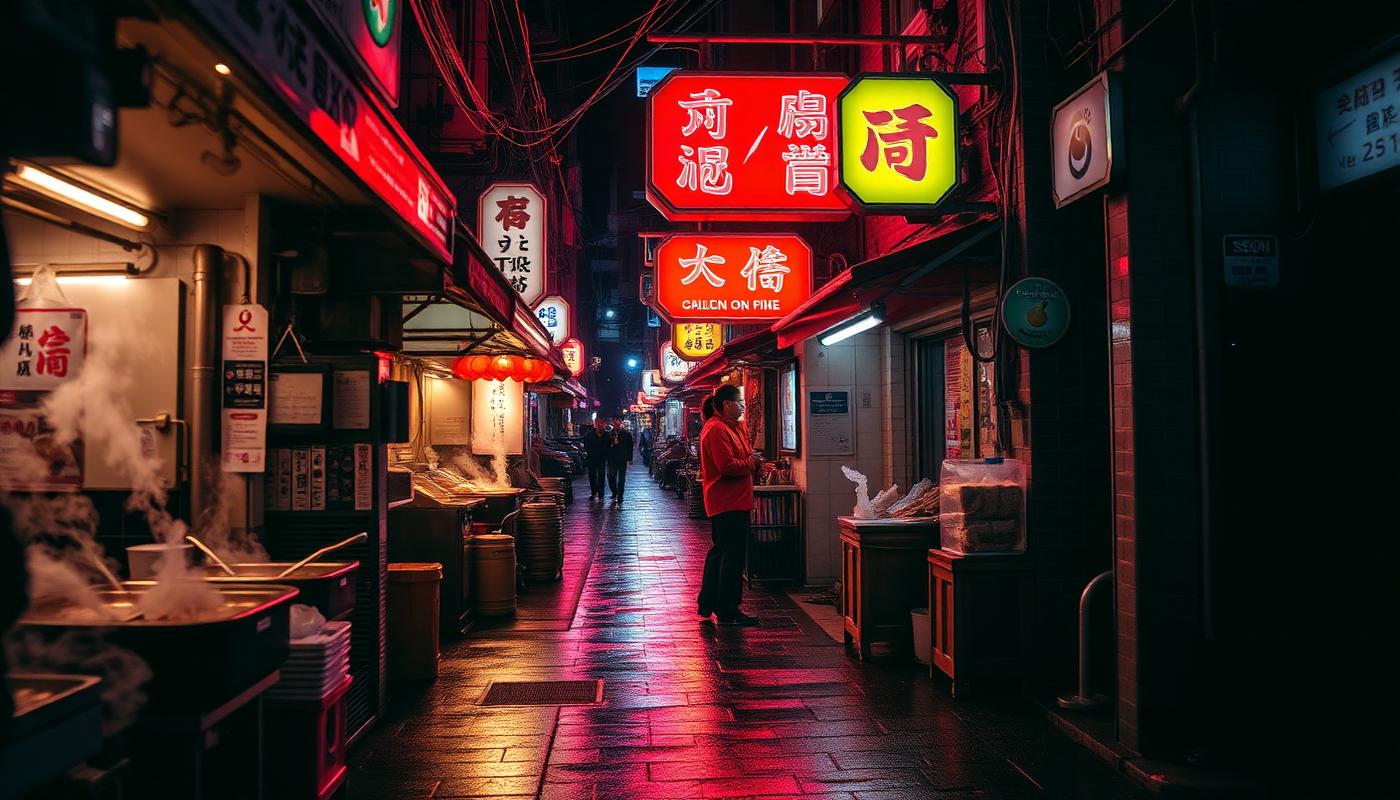
Most Seoul itineraries are organised around palaces. This one is organised around meals, because in practice that is how the city actually gets explored. You eat somewhere, you walk off the meal through whatever neighbourhood surrounds it, you end up somewhere unplanned, and the day works. Palaces are still in here, they are just scheduled between meals rather than the other way round.
Three days, three anchor neighbourhoods, one late night. Walking is around eight to ten kilometres a day, all of it flat except one hill you will choose voluntarily.
Who this is for
First-time visitors who like eating and do not mind crowds. Solo travellers do very well in Seoul because so much of the food culture is built around quick single portions at a counter, though the barbecue restaurants are a known exception. It works for a couple on a long weekend and for anyone stopping over for three days on the way somewhere else.
Getting in and moving around
Incheon airport is 50 kilometres west. The AREX express train runs to Seoul Station in 43 minutes for around 11,000 KRW, and the all-stop version takes about an hour for half the price. Airport limousine buses go directly to hotel districts and are easier with big luggage. A taxi is 60,000 to 90,000 KRW and takes an hour without traffic, which is not a phrase that applies often.
Inside the city, the metro is one of the best in the world: signed in English, colour coded, and cheap at around 1,400 KRW a ride with a T-money card. Buses are also excellent but harder to read without Korean. Taxis are inexpensive and useful after midnight when the metro stops, roughly 01:00 depending on the line.
- AREX express, Incheon to Seoul Station: 43 minutes.
- T-money card: about 4,000 KRW plus whatever you load.
- Metro ride: 1,400 to 1,900 KRW depending on distance.
- Last metro: around 00:30 to 01:00. Plan the night out around this or plan to take a taxi.
Day one: palaces, hanok lanes, and a market dinner
Start at Gyeongbokgung at 09:00 when it opens. The changing of the guard happens at 10:00 and 14:00 and takes about twenty minutes. Entry is 3,000 KRW, or free if you arrive wearing hanbok, which is why there are hanbok rental shops on every corner nearby. Renting for two hours costs 15,000 to 30,000 KRW and a surprising number of visitors do it.
Walk east from the palace into Bukchon Hanok Village. This is a residential neighbourhood of restored courtyard houses on a slope between two palaces. People live here, signs ask for quiet after certain hours, and there are wardens on the busiest lane enforcing it. Walk it respectfully and it is one of the most atmospheric parts of the city.
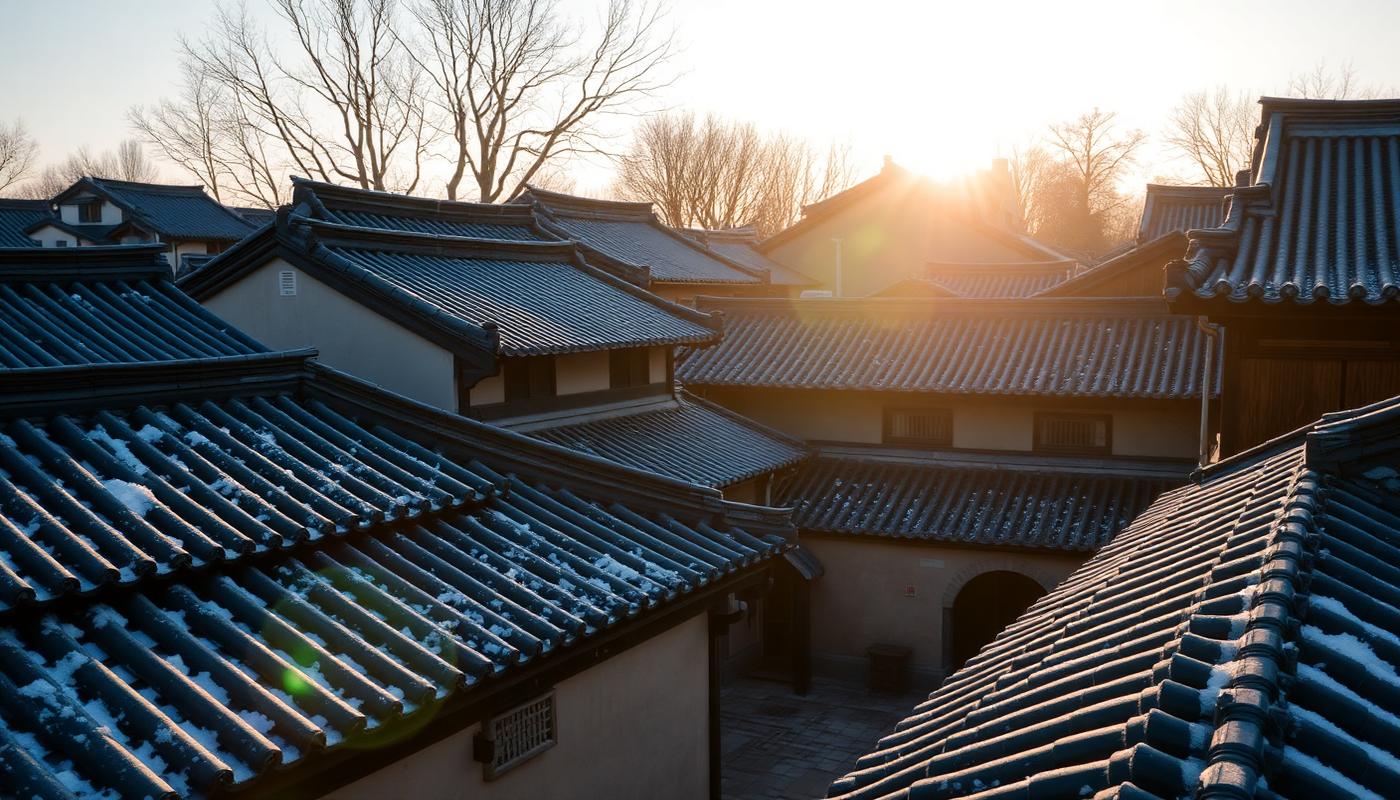
Continue downhill into Insadong for lunch. The main street is tourist-facing but the alleys off it hold proper restaurants serving bibimbap and jeon at normal prices. In the afternoon, Changdeokgung palace and its Secret Garden sit ten minutes east. The garden requires a separate timed ticket, costs around 8,000 KRW, and is guided only, so book it in the morning or online.
For dinner, go to Gwangjang Market. It is a covered market with hundreds of stalls, and the ones you want are the bindaetteok mung bean pancakes fried in front of you, mayak gimbap, and raw beef tartare if you are adventurous. Sit at a plastic stool at the counter, order by pointing, and expect to spend 15,000 to 25,000 KRW including a bottle of soju you did not plan on.
Day two: fish market, river, and the tower
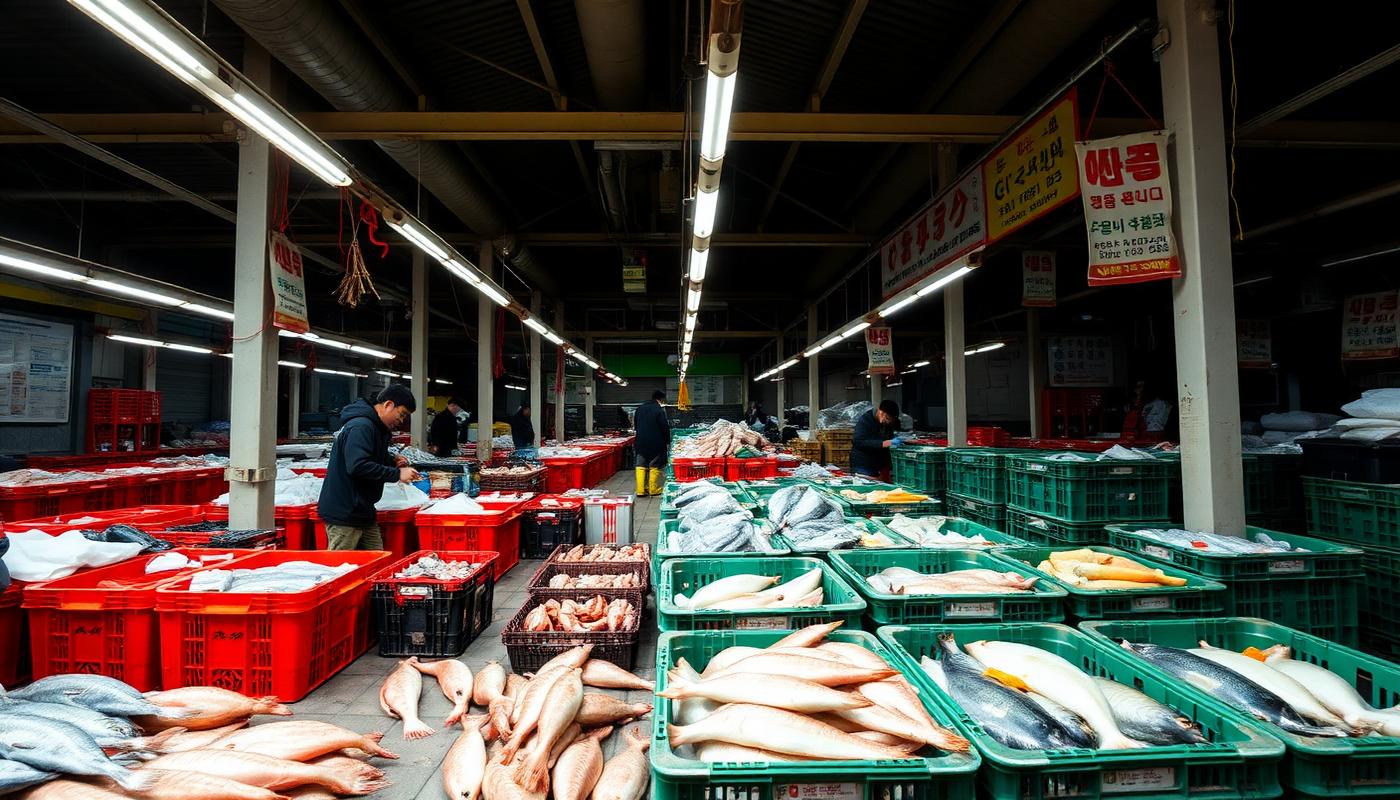
Noryangjin fish market opens absurdly early and the wholesale auction runs before dawn, but a normal visit around 10:00 is still worth it. The system is simple: you buy seafood from a stall downstairs, agree a price, and then take it upstairs to a restaurant that prepares it for a per-person cooking fee, usually 5,000 to 8,000 KRW. Two people can eat extremely well for 50,000 KRW total, and you should agree every price before anything is cut.
In the afternoon, take the metro to Yeouido and walk or rent a bike along the Han river park. Public bike hire, Ttareungi, costs about 1,000 KRW an hour through the app. The riverbank is where Seoul relaxes: tents in summer, delivery chicken on picnic mats, and a lot of people running.
As it gets dark, head to Namsan. The cable car costs around 14,000 KRW return, or you can walk up in thirty five minutes on a stepped path from Myeongdong. N Seoul Tower's observation deck adds another 21,000 KRW, though honestly the free terrace at the base gives you most of the view. Come back down through Myeongdong and eat street food on the way: tornado potato, cheese hotteok, grilled scallops.
Day three: the young side of the city
Spend the morning in Hongdae, the area around Hongik University. Cafes here open late, so 11:00 is a sensible start. It is full of independent shops, buskers at the main playground square from mid afternoon, and some of the best coffee in the city. Nearby Yeonnam-dong, along the old railway line turned linear park, is quieter and better for a long lunch.
In the afternoon, choose one of two directions. Ikseon-dong is a compact hanok alley district near Jongno filled with small restaurants and dessert shops, and it is walkable in an hour. Seongsu-dong, across the river, is the converted warehouse and shoe factory district, and is where you go if you want design shops and third-wave coffee inside concrete shells.
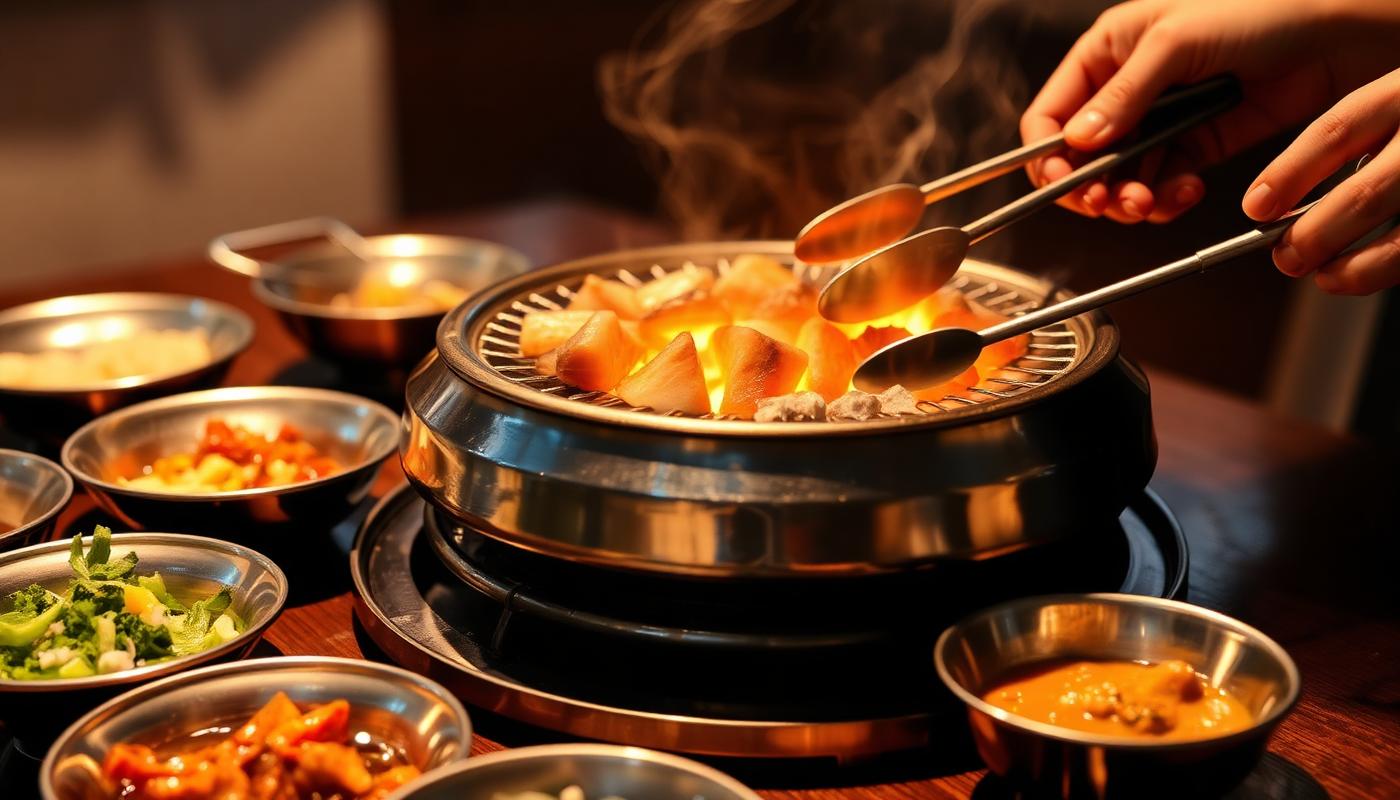
For the last dinner, do Korean barbecue properly. Pork belly, samgyeopsal, is the default and the correct choice. The staff will usually cut and turn the meat for you. Wrap it in lettuce with garlic, ssamjang and a slice of the grilled kimchi. Two people with beer or soju will spend 40,000 to 70,000 KRW.
Budget
- Breakfast, usually a bakery or a convenience store: 4,000 to 8,000 KRW.
- Lunch at a normal restaurant: 9,000 to 15,000 KRW.
- Dinner including market food or barbecue: 20,000 to 40,000 KRW.
- Transport: 5,000 to 8,000 KRW a day.
- Entries, palaces and tower: 3,000 to 25,000 KRW depending on choices.
That is 70,000 to 110,000 KRW a day per person. Accommodation ranges from 40,000 KRW for a guesthouse bed to 180,000 KRW for a decent hotel double in Myeongdong or Jongno.
Practical things worth knowing
- Almost nothing is cash-only, but keep 20,000 KRW for market stalls.
- Free wifi is widespread, and a tourist SIM or eSIM is cheap if you want maps everywhere.
- Kakao T is the taxi app that actually works. The international map apps are limited by Korean data rules, so use Naver Map or Kakao Map for directions.
- Tipping is not practised. Do not do it.
- Most restaurants have a water dispenser and self-service side dishes. Refills are free and expected.
What this costs, roughly
For 2026 planning, a single subway ride in Seoul with a T-money card usually costs 1,400 to 1,600 KRW depending on distance, and loading 20,000 KRW onto a card at any convenience store easily covers three days of ordinary movement. Palace entry, at Gyeongbokgung or Changdeokgung, is usually around 3,000 KRW, and both offer a combination ticket covering several royal sites for about 10,000 KRW if you plan to see more than two. A mid-range hotel double in Myeongdong or Jongno typically runs 100,000 to 180,000 KRW a night, more during cherry blossom season in early April. A sit down Korean barbecue dinner for two, including drinks, usually lands at 50,000 to 80,000 KRW total.
Seasonal timing
Spring, specifically late March into early April, brings cherry blossoms around Yeouido and the Seokchon Lake area, along with the heaviest crowds and hotel prices of the year outside of Chuseok. Autumn, especially mid to late October, gives you clear skies and the maple colour in the palace gardens and at Namsan, and is arguably the best weather window of the year with far fewer crowds than spring. Summer, July into August, brings a monsoon season with genuinely heavy rain some days and high humidity, which makes the Han river park and rooftop plans less reliable. Winter is cold and dry, and the palaces under snow are underrated, but daylight hours shrink to under ten, so build in earlier starts.
If it rains
Seoul has enormous underground shopping arcades connected to the subway system, particularly around Express Bus Terminal station and under Myeongdong, which let you shop and eat for hours without surfacing. The National Museum of Korea near Ichon station is large enough for a full wet afternoon, and the many department store basements, especially around Myeongdong and Gangnam, double as reliable indoor food halls when the market stalls outside are rained off.
Common mistakes visitors make here
- Assuming Seoul is a walking city on the Kyoto model. Distances between neighbourhoods are large, and the subway is genuinely the better way to move between Bukchon, Hongdae and the river.
- Skipping hanbok rental at the palaces. Wearing one gets you free palace entry at most royal sites, a detail a lot of visitors miss entirely.
- Ordering a single dish at a barbecue restaurant built for groups. Most grills and set menus assume at least two people, and solo diners do better at a stew or noodle place instead.
- Not booking a Han river picnic ahead of a Friday or Saturday evening in summer, when the best grassy spots near Banpo fill early.
Getting around, mode by mode
The subway is the right default for almost every move in this itinerary, but it is worth knowing the alternatives for the moments it does not suit. Buses are cheaper again per ride and cover routes the subway misses, particularly along the river and up into hillier neighbourhoods like parts of Bukchon, but the announcements are mostly Korean only, so Naver Map or Kakao Map, rather than the subway app alone, is the better tool for checking a bus route before you board. Taxis are inexpensive by the standards of a city this size, typically 4,000 to 8,000 KRW for a short crosstown hop within the same district, and they are the sensible choice late at night once the subway has stopped. For short hops along the Han river or around Yeouido, the Ttareungi public bike system is often quicker than waiting for a bus, and the app shows real-time availability at each docking station.
Accessibility notes
Seoul's subway system is one of the more accessible in Asia, with lifts at the large majority of stations, though a handful of older stations in the historic centre still rely on stair lifts that require staff assistance, which can add a wait. Palace grounds are large and mostly flat gravel or paved paths, and Gyeongbokgung in particular has step-free routes between its main halls, though some interior thresholds at Changdeokgung remain raised in the traditional style. Gwangjang Market and the narrower Insadong lanes get crowded enough at peak times that a wheelchair or a pram needs patience rather than a different route, since the aisles themselves are wide enough but the foot traffic is not always cooperative.
What I would skip
The N Seoul Tower observation deck ticket is the one purchase in this itinerary I would reconsider. The free terrace at the base of the tower, reached by the same cable car or the same walk up from Myeongdong, gives you most of the same skyline without the extra 21,000 KRW, and on a hazy evening, which is common, the paid deck adds surprisingly little. I would also skip trying to add a fourth or fifth palace to the itinerary. Gyeongbokgung and Changdeokgung between them cover what most first-time visitors need, and the remaining palaces, while pleasant, tend to feel repetitive stacked against an already full three days.
Continue the route
Seoul pairs naturally with three days in Kyoto if you are combining two Asian cities, and the contrast between the two paces is the point. For a completely different kind of intensity, Petra and Wadi Rum swaps markets for desert. The Route Station landing page explains the anchor-per-half-day method used throughout.
Frequently asked questions
Related articles
Keep reading across the network
Route Station · 13 min read
Kyoto in Three Days, Mostly on Foot
A three day Kyoto itinerary built around early starts, one bus pass and walking loops through Higashiyama, Arashiyama and the Nishiki area.
Route Station · 14 min read
Petra and Wadi Rum in Four Days from Amman
A four day Jordan itinerary from Amman to Petra and Wadi Rum via the Dead Sea, with Jordan Pass advice, heat planning, timings and a full budget.
Route Station · 14 min read
Cape Town in Five Days, Weather Permitting
A five day Cape Town itinerary designed around wind and weather: Table Mountain, the Cape Peninsula, Bo-Kaap, the Winelands and Robben Island.