
Cape Town in Five Days, Weather Permitting
A five day Cape Town itinerary designed around wind and weather: Table Mountain, the Cape Peninsula, Bo-Kaap, the Winelands and Robben Island.
14 min read · Updated February 2025
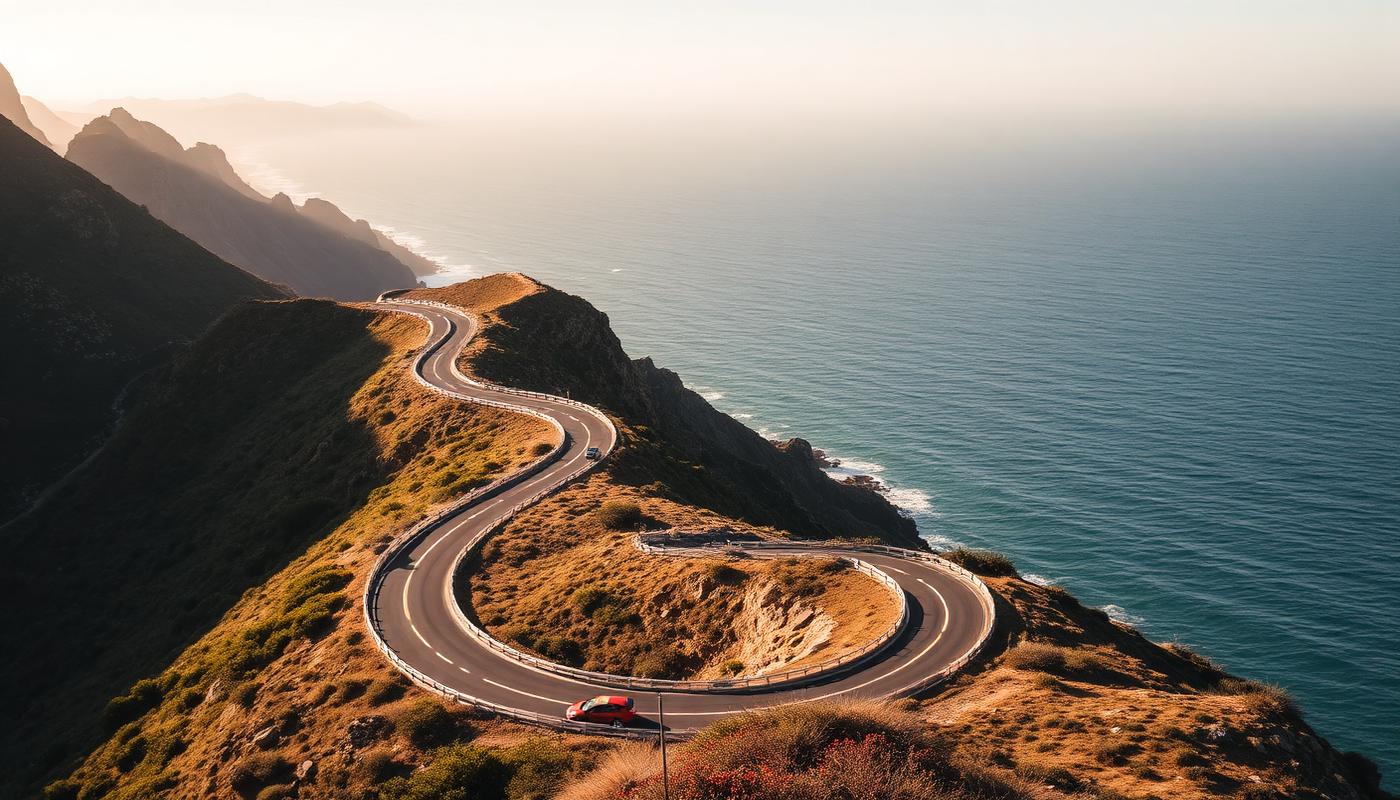
Cape Town has one planning problem that outranks every other: the weather decides your itinerary, not you. Table Mountain's cable car closes in high wind, which happens often, and the Robben Island ferry cancels in swell. Both are among the things people most want to do, and both are unbookable with confidence more than a day or two out.
So this five day route is built with two floating days. Three days are fixed because they work in almost any conditions. Two days are held loosely and assigned each morning based on what the wind is doing.
Who this suits
Travellers with five days and a tolerance for rearranging plans. It suits couples, groups of friends and families with older children. Distances mean you will be in a vehicle for parts of it, so it is not a walking-only trip like a European old town.
Transport
Cape Town International is about 20 kilometres from the centre. Ride-hailing runs 250 to 400 ZAR to the City Bowl or Sea Point. The MyCiTi bus airport route is cheaper at around 130 ZAR and reasonably reliable.
In the city, MyCiTi buses cover the Atlantic seaboard well and the tap card costs about 40 ZAR. Ride-hailing is inexpensive and the default for most visitors. For the peninsula, rent a car for one or two days at 400 to 700 ZAR a day, or take a guided tour at 900 to 1,500 ZAR per person.
The fixed days
Fixed day: the Cape Peninsula loop
This is the best full day in the region and it works in most weather. Leave by 07:30. Drive south along the Atlantic through Camps Bay and Llandudno to Hout Bay, then over Chapman's Peak Drive, which is a nine kilometre toll road cut into the cliff face with 114 curves. The toll is about 65 ZAR. It closes occasionally for rockfall, and the alternative inland route adds twenty minutes.
Continue to Cape Point and the Cape of Good Hope inside Table Mountain National Park. Entry is roughly 400 ZAR for international visitors. Walk up to the old lighthouse, about twenty minutes of steps, or take the funicular. Baboons here are aggressive and organised. Keep food out of sight and keep car windows closed, which sounds like a joke and is not.
On the way back up the False Bay side, stop at Boulders Beach in Simon's Town, where a colony of African penguins nests among granite boulders. Entry is around 190 ZAR. Arrive before 10:00 or after 16:00 to avoid the coach groups.

Finish with a late lunch in Kalk Bay, a small harbour village with fishing boats, secondhand bookshops and good seafood. The whole loop is about 160 kilometres and takes nine to ten hours done properly.
Fixed day: the city, Bo-Kaap and the waterfront
Start in Bo-Kaap, the historically Cape Malay neighbourhood on the slopes of Signal Hill, known for its brightly painted houses. This is a residential area with a long and difficult history of forced removals and more recent gentrification pressure. Walk it, visit the small Bo-Kaap Museum, and ask before photographing anyone's home or family.
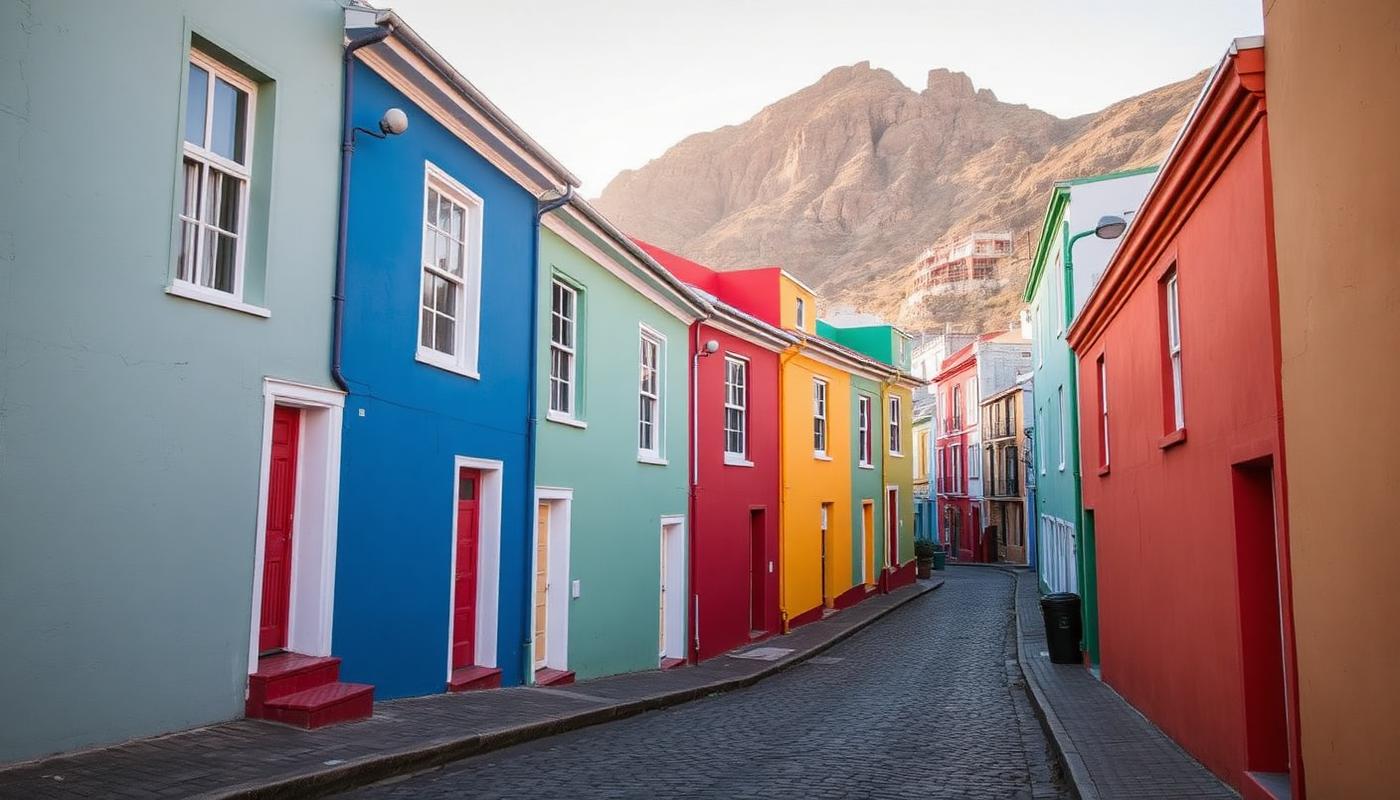
Walk down into the city centre for the Company's Garden, St George's Cathedral, and Greenmarket Square. Then the District Six Museum, which documents the destruction of a mixed neighbourhood under apartheid and the removal of 60,000 people. Entry is about 60 ZAR and it is the most important hour in this itinerary.
Afternoon at the V&A Waterfront, which is a working harbour and a large shopping and dining complex. The Zeitz Museum of Contemporary Art Africa sits in a converted grain silo there, with a cut-out atrium that is worth the ticket by itself, around 230 ZAR.
Fixed day: the Winelands
Stellenbosch and Franschhoek are 45 to 70 minutes east. Stellenbosch is a university town with oak-lined streets and Cape Dutch architecture; Franschhoek is smaller, prettier and more expensive. Tastings run 80 to 250 ZAR per person and are usually waived with a case purchase.
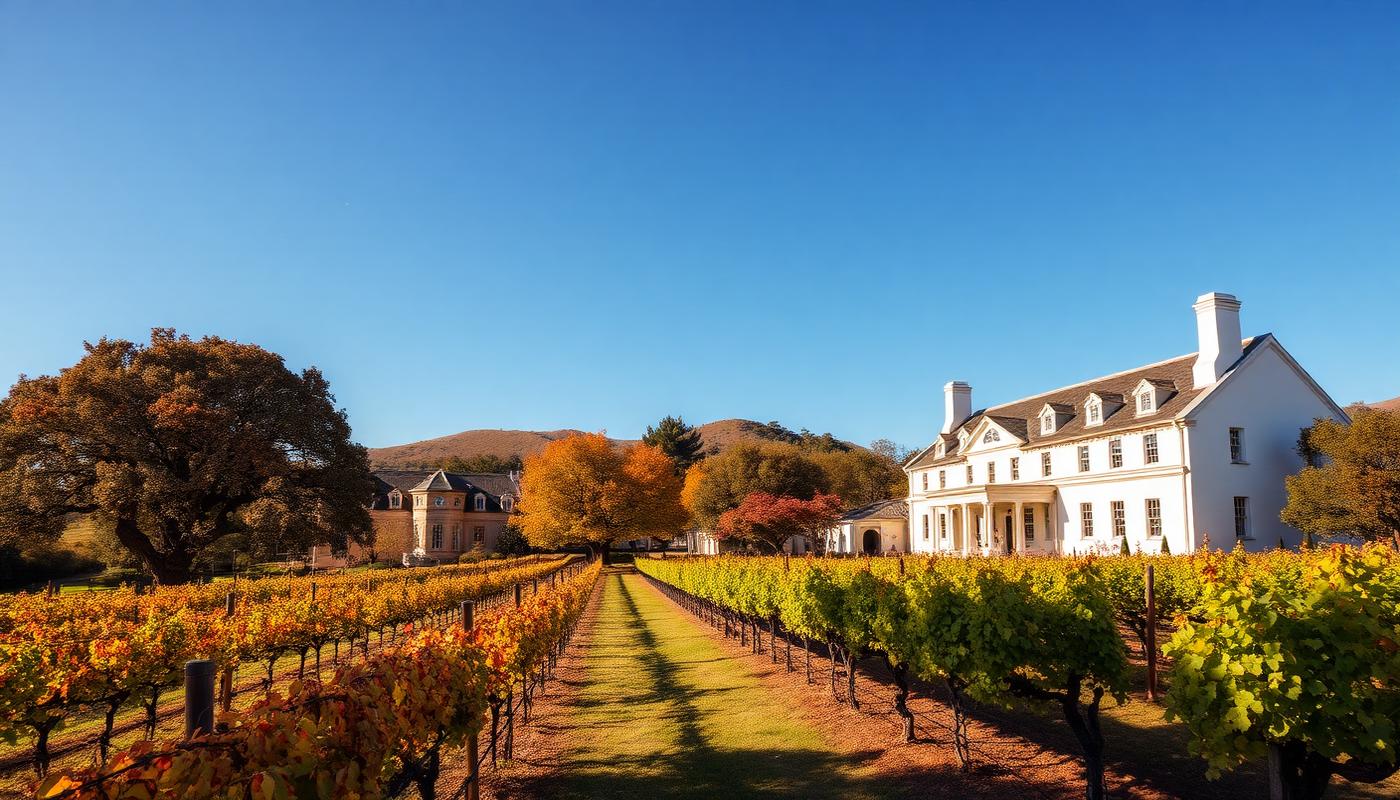
The Franschhoek Wine Tram is the standard solution to the drinking and driving problem: a hop-on tram and bus circuit between estates for around 300 ZAR. Book it a week ahead in season. Otherwise hire a driver for the day, which costs 1,200 to 2,000 ZAR split between a group and is the sensible choice.
The floating days
Check the forecast each evening for the next morning, specifically wind speed at the upper cable station.
Table Mountain. Go on the calmest, clearest morning you get, first thing. The cable car costs about 420 ZAR return and the queue after 09:00 can be an hour. Walking up Platteklip Gorge takes 90 minutes to two and a half hours and is a relentless staircase of rock with no shade. Many people walk up and ride down. Book the cable car online for a timed slot and check the operating status page before leaving the hotel.
Robben Island. Ferries leave from the V&A Waterfront and the tour lasts about three and a half hours including the crossing, at around 600 ZAR. Former political prisoners guide the prison section. Sailings cancel in rough sea, sometimes at short notice, so keep the second floating day in reserve for this.
If both happen early, spend a spare day on Lion's Head at sunrise, a two hour circular climb with chains and ladders near the top, or drive out to Betty's Bay and the Kogelberg coast, or take a Cape Flats township tour with a community-based operator, which is the sort of thing worth choosing carefully rather than booking from a hotel desk flyer.
Eating
- Cape Malay curry and bobotie, best eaten in or near Bo-Kaap.
- Braai, which is barbecue treated as a national institution rather than a cooking method.
- Snoek, a local fish, smoked or grilled, at Kalk Bay or Hout Bay harbour.
- Gatsby, a very large filled roll from a takeaway, shared between two people, under 100 ZAR.
- Chenin blanc, which South Africa does better and cheaper than anywhere else.
Budget
- Breakfast: 90 to 160 ZAR.
- Lunch: 150 to 250 ZAR.
- Dinner at a good restaurant: 300 to 600 ZAR.
- Ride-hailing across the city: 60 to 150 ZAR a trip.
- Main activities: 190 to 600 ZAR each.
- Mid-range hotel or guesthouse: 1,200 to 2,500 ZAR a night.
Safety, plainly
- Use ride-hailing after dark rather than walking, even short distances.
- Do not leave anything visible in a parked car, anywhere, ever.
- Hike Lion's Head and Table Mountain in company and on marked routes.
- Load shedding, scheduled power cuts, still happens. Carry a power bank and a torch.
- Emergency number is 10111 for police, 10177 for ambulance.
What this costs, roughly
For 2026 planning in South African rand, the Table Mountain cableway usually costs around 400 to 450 ZAR return for an adult, and it is worth booking a timed ticket online rather than queuing on the day. The Robben Island ferry and tour together usually run around 750 to 850 ZAR and need booking well ahead, sometimes weeks ahead in peak season. A mid-range hotel or guesthouse double in the City Bowl or Sea Point typically runs 1,500 to 2,800 ZAR a night in the December to February peak, less in the shoulder months of March, April, September and October. A day of Uber or Bolt rides around the city and out to Camps Bay usually adds up to 300 to 500 ZAR.
Neighbourhood notes
The City Bowl, around Long Street and the Company's Garden, puts you central for the museums, restaurants and an easy run up to Table Mountain's lower cable station, though it is busier and noisier at night than some visitors expect. Sea Point, along the Atlantic promenade, is quieter and has a proper seafront walk right outside your door, at the cost of a fifteen minute drive into the centre for most sightseeing. Camps Bay is beautiful and close to the beach, but it is genuinely a suburb built for cars, and without one you are dependent on ride hailing for almost everything. Bo-Kaap itself is not really set up for visitor accommodation, and it is better treated as a place to visit respectfully during the day than a base to stay in.
Getting in and out
Cape Town International Airport sits about 20 kilometres from the city centre. The MyCiTi bus rapid transit service runs a direct airport route into the city bowl, takes around 30 to 45 minutes depending on traffic, and costs a fraction of a taxi or ride hailing fare, though you need to buy a MyConnect card first. Ride hailing apps are the more common choice for visitors and typically cost 250 to 400 ZAR into the centre depending on time of day and demand.
A worked variation for less time or limited mobility
With three days rather than five, keep Table Mountain, the Cape Peninsula drive as a single long day including Boulders Beach and Cape Point, and one day split between Bo-Kaap and the Waterfront, and drop the Winelands and Robben Island, both of which deserve a full day each rather than a squeezed half one. For visitors with limited mobility, the cableway up Table Mountain is a straightforward, step free way to get the summit experience without the hiking trails, and the summit itself has paved, mostly flat walkways. Boulders Beach has a boardwalk that reaches the main penguin viewing areas without needing to walk on sand, which makes it one of the more accessible wildlife encounters on this route.
What this costs, roughly
For 2026 planning in Chilean pesos, the Santiago metro costs around 800 to 900 CLP a ride depending on the time of day, using the rechargeable bip card. A funicular ride up one of Valparaiso's historic ascensores usually costs around 300 to 500 CLP, a genuine bargain for the view and the experience. A mid-range hotel or guesthouse double in Santiago's Providencia or Lastarria areas typically runs 60,000 to 100,000 CLP a night, a little less in Valparaiso itself outside of January and February. Entry to La Chascona, one of Pablo Neruda's houses, usually runs around 9,000 to 11,000 CLP with an audio guide.
Santiago neighbourhood notes
Lastarria and Bellas Artes, next to each other in the centre, put you close to museums, good coffee and the funicular up Cerro San Cristobal, and the area is genuinely walkable in the evening, though rooms here are older buildings with variable soundproofing. Providencia and Las Condes, further east, are calmer, more modern and considered the safer choice by many locals, at the cost of a longer metro ride into the historic centre each day. Barrio Italia, a design and antiques district a bit further out again, is a pleasant half day rather than a practical base, since it thins out at night.
Common mistakes visitors make here
- Treating Valparaiso as a single afternoon trip from Santiago. The hills and the murals reward a full day, ideally with a night in the city itself.
- Walking the flat part of Valparaiso near the port and bus terminal with a phone out and visible. Petty theft is the real risk here, more than anything violent.
- Skipping the funiculars because they look rickety. Most operate daily and are the intended, and often only sensible, way up the steepest hills.
- Assuming Santiago is flat and featureless. The view from Cerro San Cristobal, with the Andes behind the city on a clear day, is one of the better urban viewpoints in South America.
- Underestimating how cool Valparaiso gets in the evening even in the Chilean summer, thanks to the Pacific breeze.
Seasonal timing
December through February is the Chilean summer and the busiest, warmest season, with long daylight hours well past 20:00 and the best weather for the coast. Fiestas Patrias, the national holiday around 18 September, brings celebrations, flags and asado everywhere, but many businesses close for a few days around it, so check before you go if travelling then. Winter, June through August, is mild by European standards in Santiago but wetter and greyer in Valparaiso, and it is the quietest and cheapest time to visit both cities.
Related routes
Valparaiso and Santiago is the other southern hemisphere port-city route in this collection, and the Tasmania east coast route uses the same floating day technique for weather. See Route Station for the fallback plan method behind it.
Frequently asked questions
Related articles
Keep reading across the network
Route Station · 12 min read
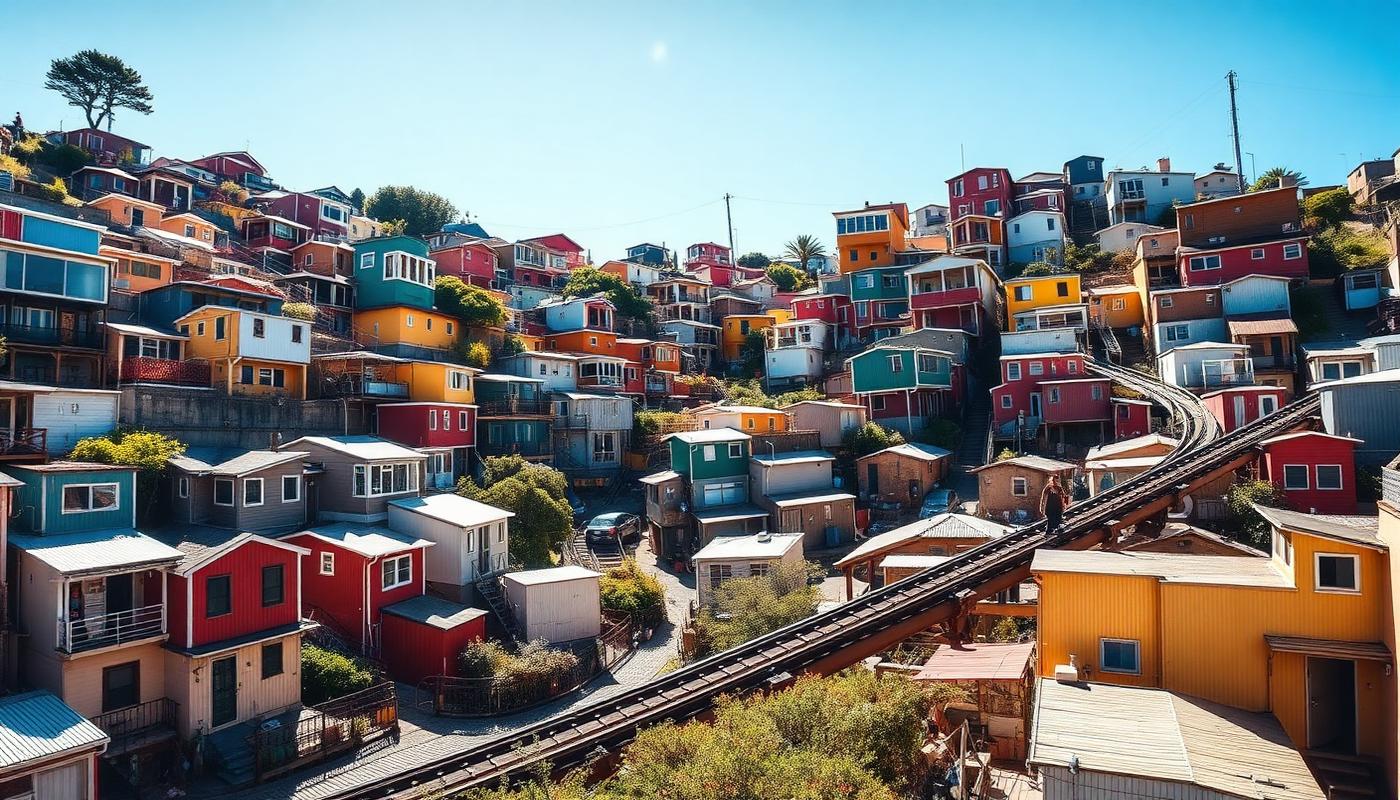
Valparaiso and Santiago in Three Days
A three day Chile itinerary linking Santiago's neighbourhoods with Valparaiso's hillside funiculars and murals, including bus times and a full budget.

Route Station · 13 min read
Seoul in Three Days, Food First
A three day Seoul itinerary organised around meals and neighbourhoods: Gwangjang market, Bukchon, Noryangjin, Hongdae and a night at Namsan.
Route Station · 13 min read
Tasmania in Five Days: Hobart, Freycinet and Cradle Mountain
A five day Tasmania driving itinerary from Hobart through Freycinet to Cradle Mountain, with distances, walk grades, park pass details and costs in AUD.