
Valparaiso and Santiago in Three Days
A three day Chile itinerary linking Santiago's neighbourhoods with Valparaiso's hillside funiculars and murals, including bus times and a full budget.
12 min read · Updated March 2025
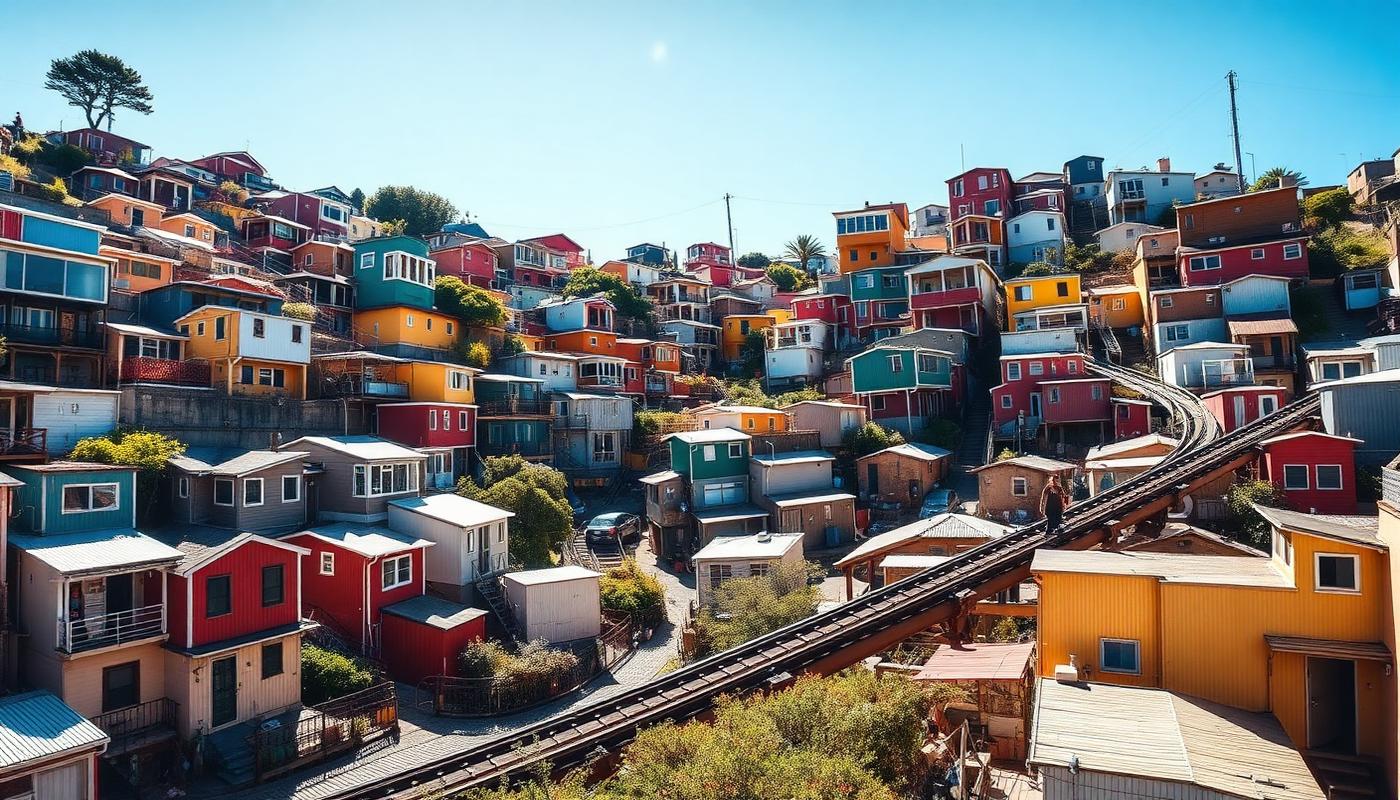
Santiago and Valparaiso are ninety minutes apart and could not be less alike. One is a grid of glass towers under the Andes with a good metro and an orderly rhythm. The other is a chaotic amphitheatre of forty two hills covered in corrugated iron houses painted whatever colour was available, connected by Victorian funiculars and stairways that go up at angles buildings should not.
Three days is enough for one day in each plus one shared day that leans towards whichever suits you. This route puts Santiago first, because arriving in Valparaiso after dark on your first night in Chile is a needlessly steep learning curve.
Who this is for
Travellers with three days and reasonably good legs. Valparaiso involves stairs whether or not you plan for them, and the funiculars only solve some of that. It is a strong route for anyone interested in street art, port cities and food, and a weak one for anyone who wants museums and monuments.
Transport
Santiago's airport is 20 kilometres from the centre. The official taxi is 20,000 to 30,000 CLP, the Turbus and Centropuerto buses are around 2,000 CLP to Los Heroes or Pajaritos, and ride-hailing sits in between.
The Santiago metro is fast, clean and cheap at about 800 CLP a ride with a Bip card. Buses to Valparaiso leave Pajaritos every fifteen minutes with Turbus and Pullman, take about 100 minutes, and cost 6,000 to 9,000 CLP. Pajaritos is on the metro, which makes it much easier than the main terminal.
- Santiago to Valparaiso by bus: about 1 hour 40 minutes.
- Valparaiso to Vina del Mar by local bus or metro train: 15 minutes.
- Ascensor ride: 300 to 500 CLP.
- Bip card for Santiago metro: 1,550 CLP plus credit.
Day one: Santiago
Start at the Mercado Central at 09:30, an iron-framed market hall built in Britain and shipped over in 1872. The fish counters are the reason to come. Have a coffee, look at the congrio and the machas, and do not commit to lunch at the tourist-priced restaurants in the middle.
Walk south across the Plaza de Armas, past the cathedral, and into the civic centre around La Moneda, the presidential palace bombed during the 1973 coup. Underneath it, the Centro Cultural La Moneda has changing exhibitions and is free or nearly free.
Around midday, take the metro to the Museo de la Memoria y los Derechos Humanos. It documents the dictatorship between 1973 and 1990 and is free. It is difficult, careful, and essential to understanding anything else you see in the country.
For the afternoon, go up. Cerro San Cristobal is reached by a funicular from Bellavista for about 3,000 CLP return and gives you the whole city against the Andes, smog permitting. Come down into Bellavista or Lastarria for dinner. Lastarria is the better food neighbourhood, Bellavista the better nightlife one, and both are walkable from each other.
Day two: over to Valparaiso
Take a bus around 09:00 and you are on the coast by 10:45. Leave luggage at the guesthouse and start with the Ascensor Reina Victoria or El Peral, both of which lift you from the flat commercial plan onto the hills of Cerro Alegre and Cerro Concepcion.
Those two hills are the heart of the visit. The streets are narrow, the houses are clad in painted metal, and almost every blank wall carries a mural. Some are commissioned, some are not, and the whole neighbourhood functions as an unusually large outdoor gallery with cafes in it.
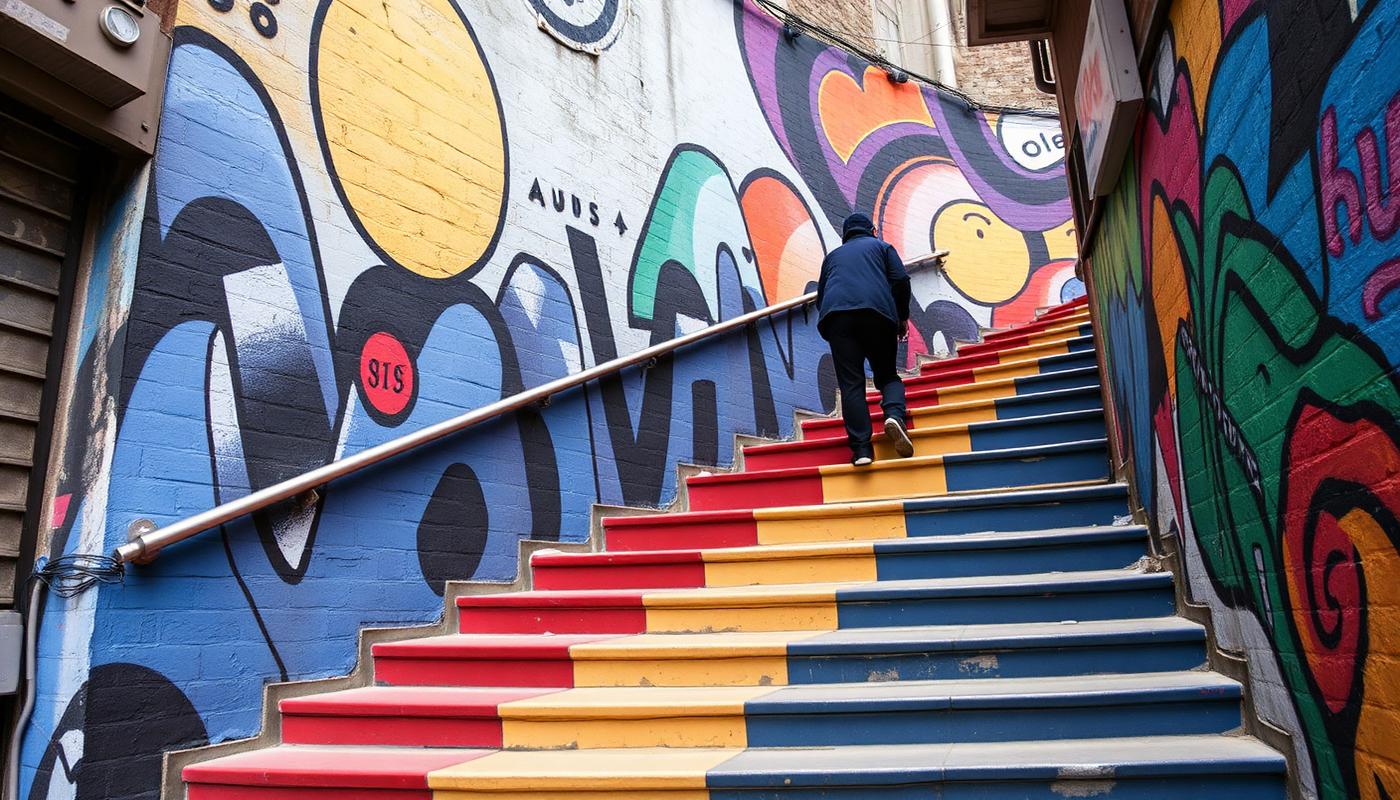
Visit La Sebastiana, one of Pablo Neruda's three houses, perched on Cerro Bellavista. Entry is around 9,000 CLP with an audio guide. The house is arranged as a collection of obsessions: ships in bottles, a carousel horse, coloured glass, and a view of the port from every window.
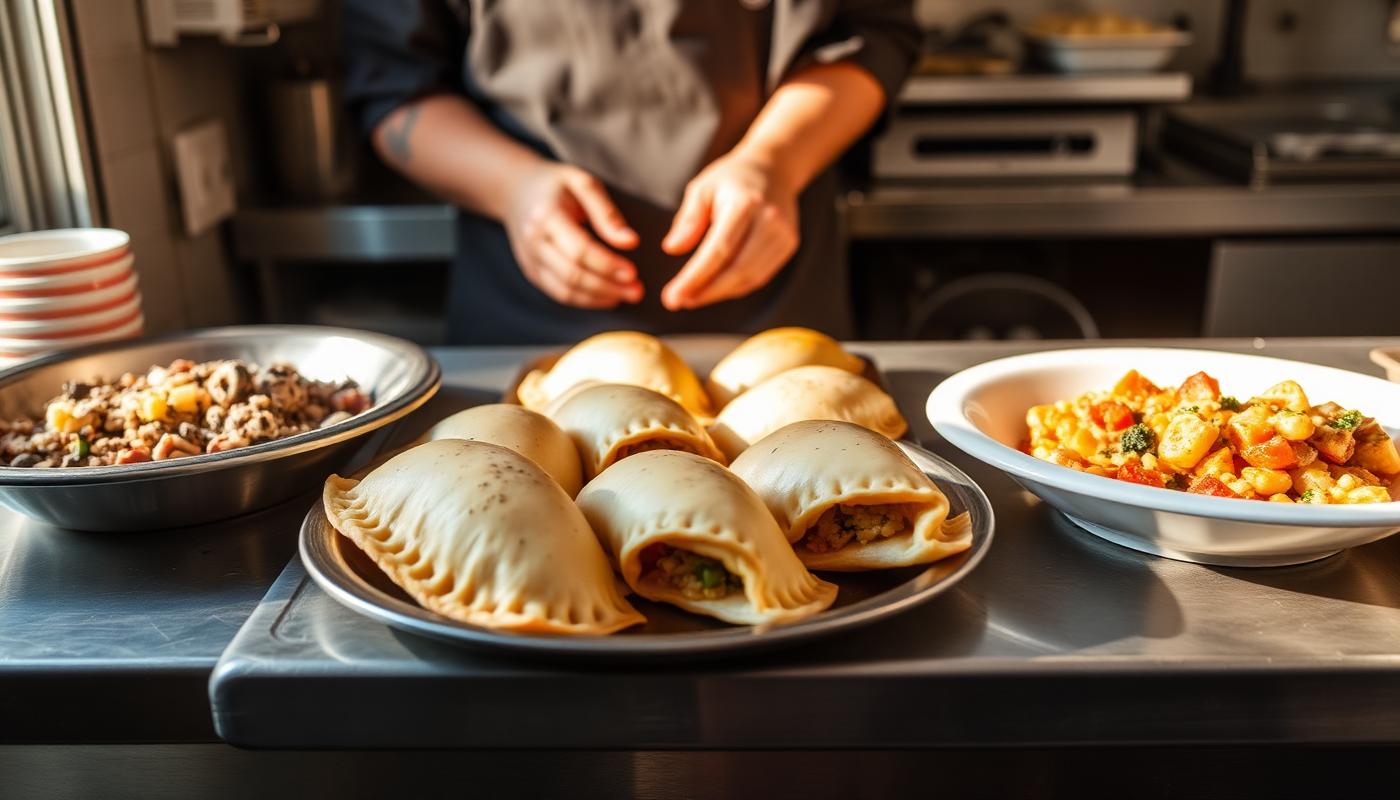
Lunch on empanadas or chorrillana, which is a plate of chips topped with beef, onion and fried egg, designed for sharing between three people and often attempted by one.
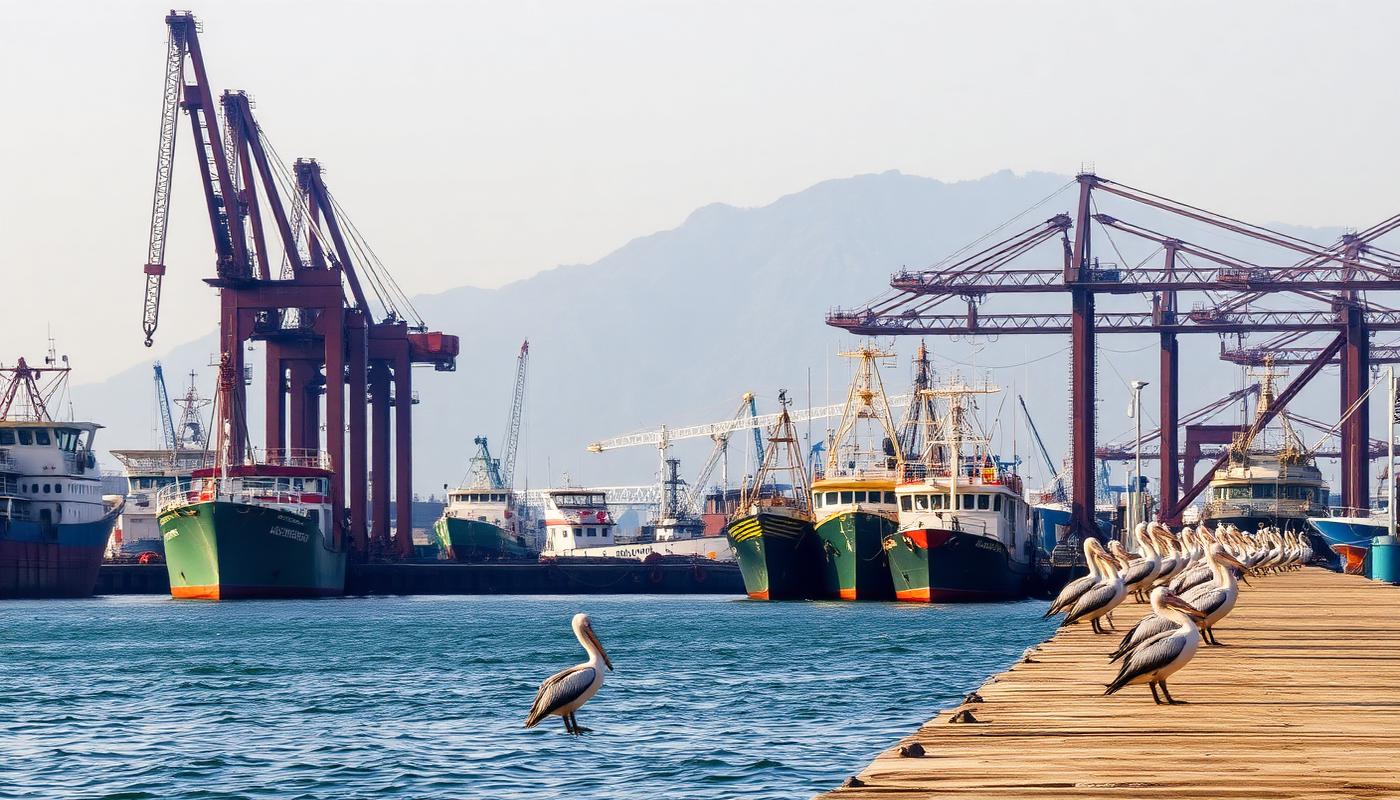
In the afternoon, go down to the port itself. Valparaiso is still a working container port and a naval base, and the boat tours from Muelle Prat run around 5,000 CLP for a 45 minute loop past cargo ships, cranes and sea lions. It costs almost nothing and it puts the city into a shape you cannot see from land.
Stay for the evening. Sunset over the bay from a terrace on Cerro Alegre is the best hour of this itinerary. Take a taxi rather than walking down the hills after dark.
Day three: a choice
Option one, the coast. Vina del Mar is fifteen minutes away by the metro train and is Valparaiso's opposite: planned, tidy, beach-facing, with a Moai statue from Easter Island in its Fonck museum garden. Further north, Concon has dunes and some of the best seafood on this coast.
Option two, the wine. Casablanca valley lies between the two cities and specialises in sauvignon blanc and cool climate pinot noir. Tastings are 10,000 to 25,000 CLP and several vineyards sit close enough together to walk or cycle between. A driver from Valparaiso costs 60,000 to 100,000 CLP for a half day.
Option three, more Valparaiso. Walk the Paseo Atkinson and Paseo Gervasoni promenades in the morning light, then the Cementerio de Disidentes on Cerro Panteon, then the open air museum of murals on Cerro Bellavista. Take the afternoon bus back to Santiago.
Eating in Chile, specifically
- Empanada de pino: beef, onion, olive, egg. The default and usually 2,000 to 3,500 CLP.
- Completo: a hot dog under avocado, tomato and mayonnaise, in unreasonable quantities.
- Machas a la parmesana: razor clams baked with cheese, coastal and excellent.
- Pastel de choclo: a corn-topped beef pie, mostly a summer dish.
- Pisco sour before dinner, and terremoto only once, for research purposes.
Budget
- Breakfast and coffee: 3,000 to 6,000 CLP.
- Lunch: 6,000 to 12,000 CLP.
- Dinner: 12,000 to 25,000 CLP.
- Intercity bus: 6,000 to 9,000 CLP each way.
- Entries and funiculars: 3,000 to 12,000 CLP a day.
- Guesthouse double in Valparaiso: 40,000 to 90,000 CLP.
Practical notes
- Cards are widely accepted but small stalls and ascensores want coins.
- Valparaiso's hills are cool and windy in the evening even in January. Bring a layer.
- Buses between the cities are comfortable and worth the extra 1,500 CLP for the semi-cama seat.
- Watch your phone on the flat part of Valparaiso and around bus terminals.
- Chilean Spanish is fast and full of local slang. Do not take it personally.
Day two, hour by hour
Because Valparaiso rewards slow wandering more than any fixed checklist, it helps to see how the middle day actually breaks down in practice. Roughly: 10:45 arrival and bag drop, 11:00 to 11:30 the first ascensor and the initial climb onto Cerro Alegre, 11:30 to 13:00 wandering the mural lanes around Paseo Yugoslavo and Templeman, 13:00 lunch, 14:30 La Sebastiana, 16:00 the port boat from Muelle Prat, and from 17:30 onward the slow drift back uphill for sunset. Nothing here is timed to the minute because the point of Valparaiso is getting mildly lost between those anchors, but if you try to compress the hills into a single rushed loop you will end the day frustrated rather than charmed.
The one genuinely useful piece of timing advice is to be on Cerro Concepcion or Cerro Alegre by about 17:00, whatever else you have done that day, because the light on the painted houses in the hour before sunset is noticeably better than at any other point, and every terrace cafe up there knows it and fills accordingly.
Getting around, cost by cost
Within Santiago, the metro is the backbone and it is genuinely excellent: six lines, trains every few minutes at peak times, and a flat fare of around 700 to 800 CLP depending on the hour, cheaper outside the morning and evening peaks. A Bip card costs 1,550 CLP to buy and can be loaded at any station or corner kiosk showing the sign. Taxis in Santiago use meters and are reasonably priced by international standards, typically 4,000 to 8,000 CLP for a short crosstown ride, though ride-hailing apps are cheaper again and the default choice for most visitors.
Valparaiso itself is not really a public transport city once you are in the hills. The ascensores solve the vertical problem for a few hundred pesos a ride, and the flat commercial strip along Avenida Errazuriz and Avenida Pedro Montt is walkable, but moving between distant hills, say from Cerro Alegre to Cerro Playa Ancha, is better done by colectivo, a shared taxi running a fixed route for a fixed low fare, usually under 1,000 CLP per person. Ordinary taxis are plentiful and inexpensive at night, which matters because walking down the steep hill streets after dark is the main safety issue in the city.
What this costs, roughly
- Santiago metro ride: 700 to 800 CLP.
- Bus, Santiago to Valparaiso, each way: 6,000 to 9,000 CLP.
- Ascensor ride in Valparaiso: 300 to 500 CLP.
- La Sebastiana entry with audio guide: about 9,000 CLP.
- Boat tour of Valparaiso harbour: about 5,000 CLP.
- Empanada and a drink at a market stall: 3,000 to 4,500 CLP.
- Mid-range hotel double, Santiago (Lastarria or Providencia): 60,000 to 100,000 CLP a night.
- Guesthouse double, Valparaiso hills: 40,000 to 90,000 CLP a night.
Put together, a comfortable three day trip for one person, excluding international flights, tends to land somewhere between 220,000 and 380,000 CLP, depending mostly on which end of the accommodation range you choose and how many taxis you take after dark rather than walking.
What I would skip
The Congreso Nacional building in Valparaiso looks impressive from outside but adds little if you are short on time, since the interior is mostly closed to casual visitors and the exterior view is fully available from the street. In Santiago, the Costanera Center's Sky Costanera viewing deck is expensive for what is, in the end, a shopping mall observation floor, and Cerro San Cristobal gives a comparable view of the Andes for a fraction of the price with a nicer walk attached. I would also skip trying to fit in both Vina del Mar and the Casablanca wine valley on the same third day. Both are worthwhile, but rushing between them turns two pleasant half days into one exhausting one, and it is better to simply pick whichever interests you more and give it the whole afternoon.
Seasonal timing
December through February is the Chilean summer and the busiest, warmest season, with long daylight hours well past 20:00 and the best weather for the coast. Fiestas Patrias, the national holiday around 18 September, brings celebrations, flags and asado everywhere, but many businesses close for a few days around it, so check before you go if travelling then. Winter, June through August, is mild by European standards in Santiago but wetter and greyer in Valparaiso, and it is the quietest and cheapest time to visit both cities. Spring, October and November, is arguably the sweet spot: the smog that can settle over Santiago in late summer has usually cleared, the Andes are still snow-capped and visible from Cerro San Cristobal, and Valparaiso's hills are green rather than dusty.
Accessibility and mobility notes
Santiago is reasonably manageable for visitors with limited mobility. The metro has lifts at most central stations, the pavements around Lastarria and Providencia are generally in good repair, and the funicular up Cerro San Cristobal is a seated ride that avoids any climbing. Valparaiso is a different matter altogether. The city is built on steep hills with narrow, uneven cobbled streets, broken paving and long staircases that connect most of the interesting parts to each other, and there is no way to see the mural neighbourhoods properly without some walking on inclines. The ascensores help enormously, since several of them, including Reina Victoria and El Peral, are step-free at both ends, but visitors using wheelchairs or with significant walking difficulty should treat Valparaiso as a place seen mostly from the flatter port area and from inside a taxi driven up to specific viewpoints, rather than a place explored on foot in full.
Related routes
Porto is the closest European relative of Valparaiso, right down to the funiculars and the fortified wine. For another southern hemisphere route with a flexible weather day, see Cape Town in five days. The Route Station landing page explains why we ordered these two cities the way we did.
Frequently asked questions
Related articles
Keep reading across the network
Route Station · 12 min read
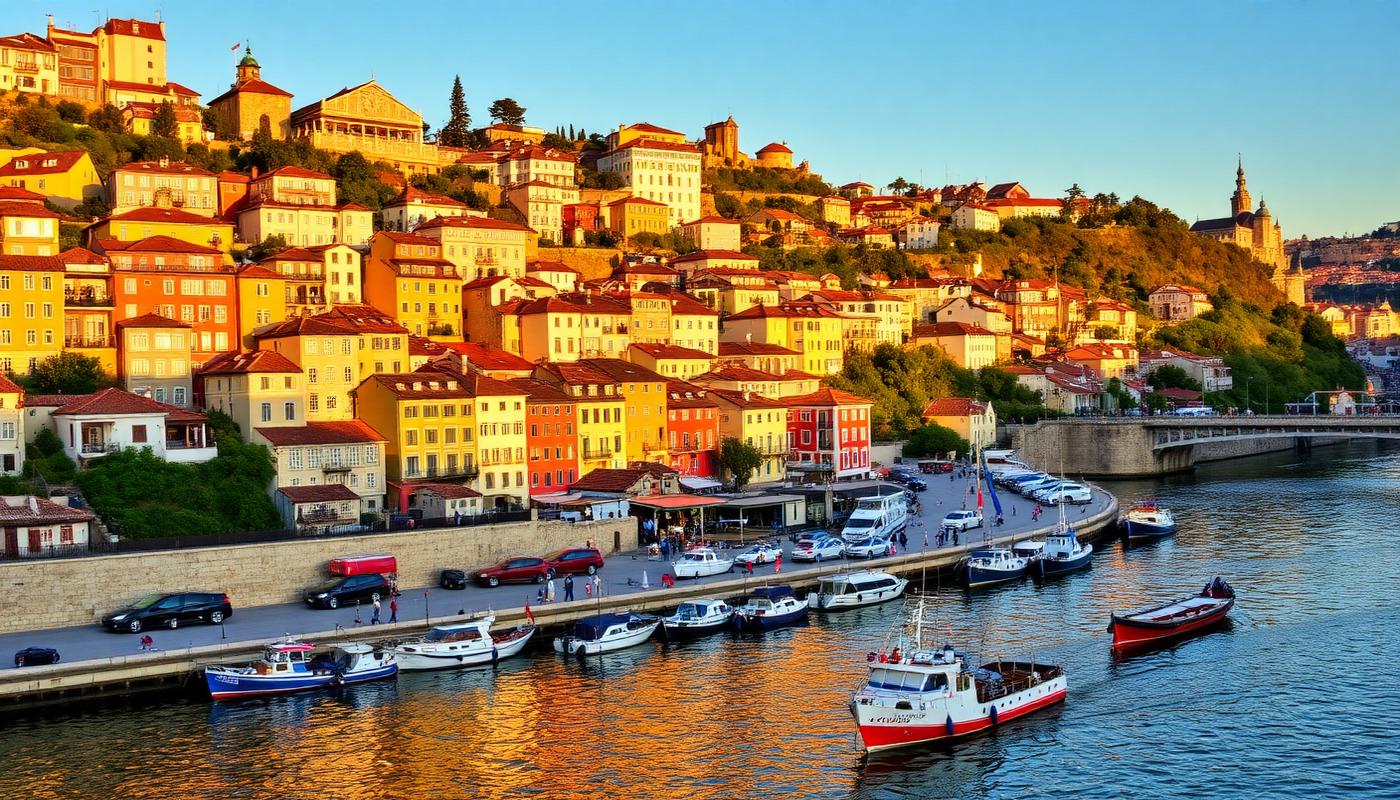
A Porto Weekend Built for Real Legs
A two and a half day Porto itinerary that respects the hills: Ribeira, Gaia cellars, Bolhao market and Foz, with timings, tram notes and a full budget.
Route Station · 14 min read
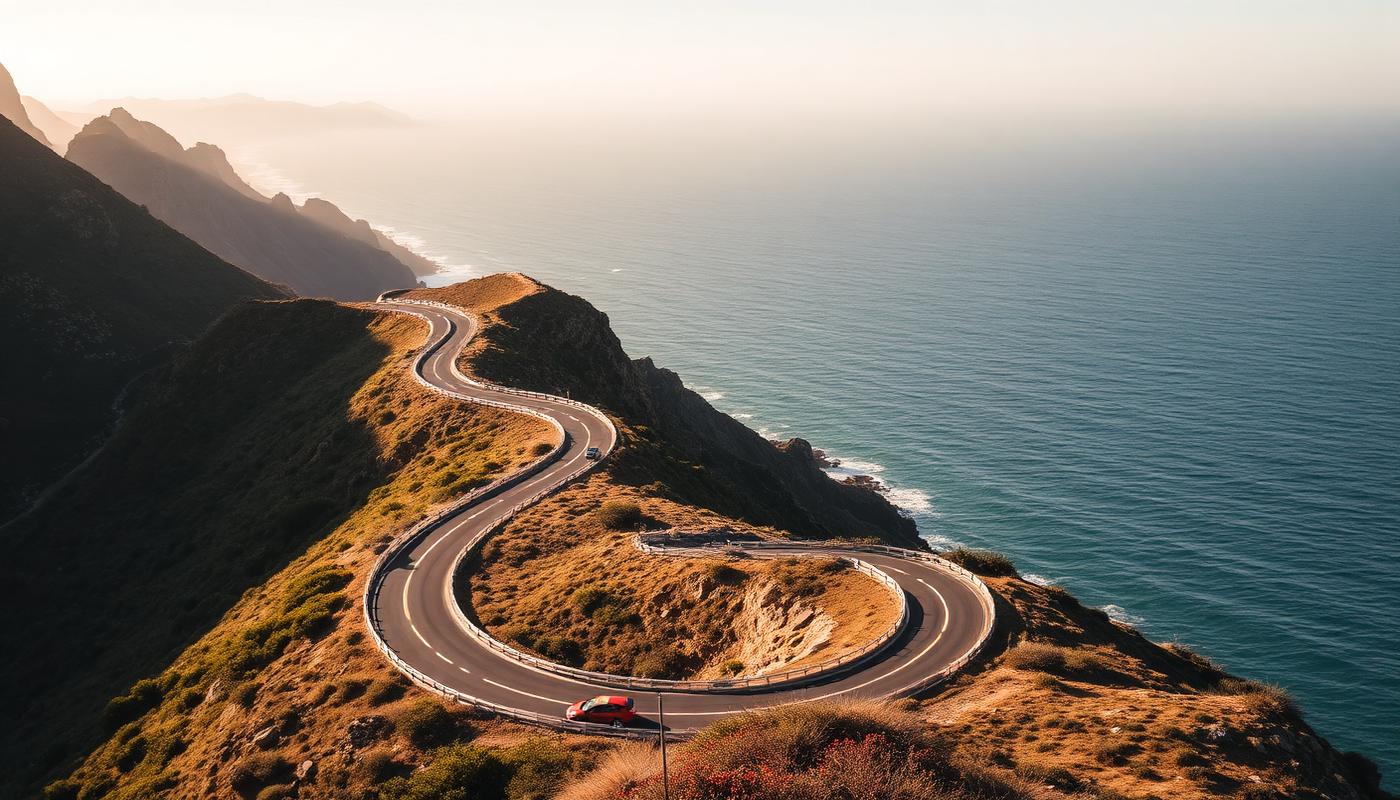
Cape Town in Five Days, Weather Permitting
A five day Cape Town itinerary designed around wind and weather: Table Mountain, the Cape Peninsula, Bo-Kaap, the Winelands and Robben Island.
Route Station · 13 min read
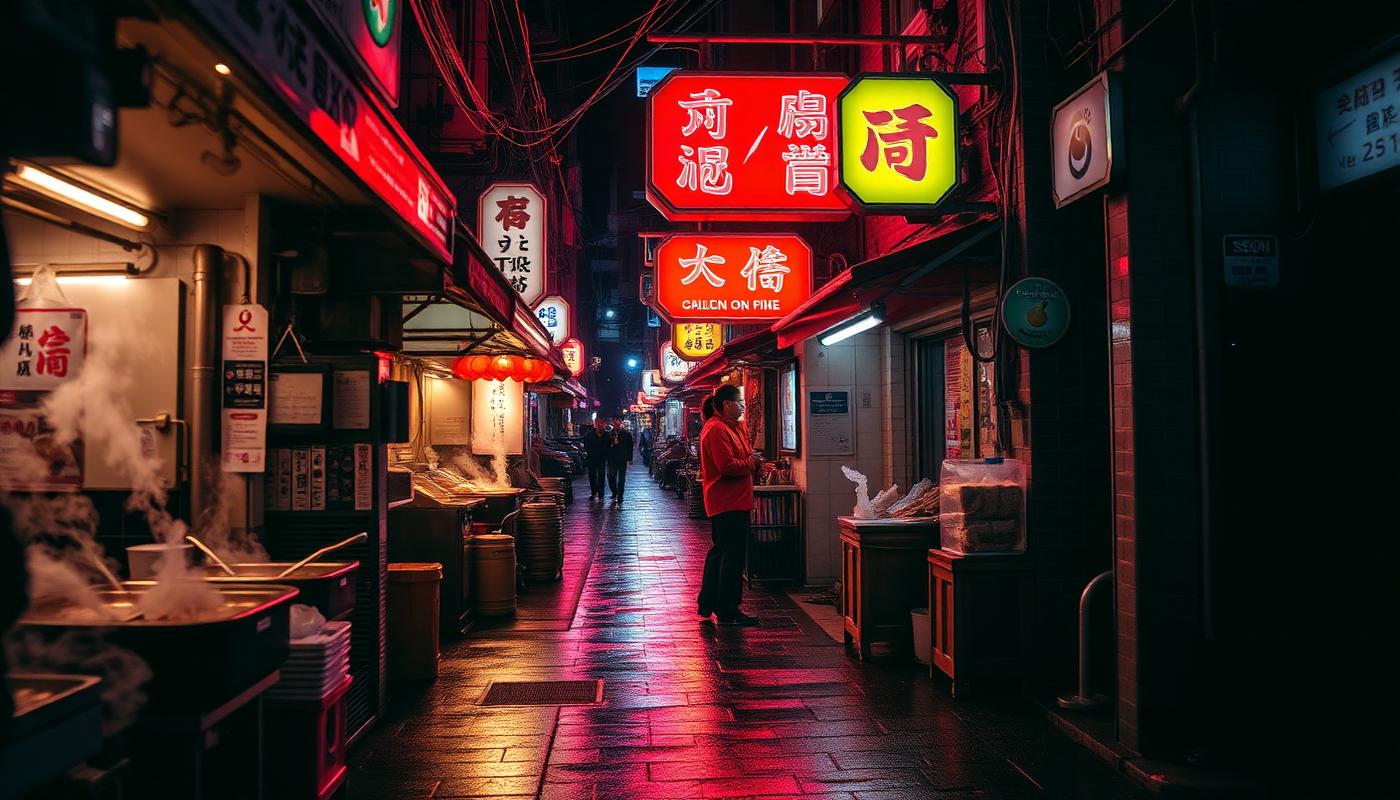
Seoul in Three Days, Food First
A three day Seoul itinerary organised around meals and neighbourhoods: Gwangjang market, Bukchon, Noryangjin, Hongdae and a night at Namsan.