
ST-02 / Rules Station
Rules Station
Rules Station is the reference module. It collects the limits, thresholds and procedures that decide whether a departure is smooth or expensive, and it states them in the order a traveller meets them.
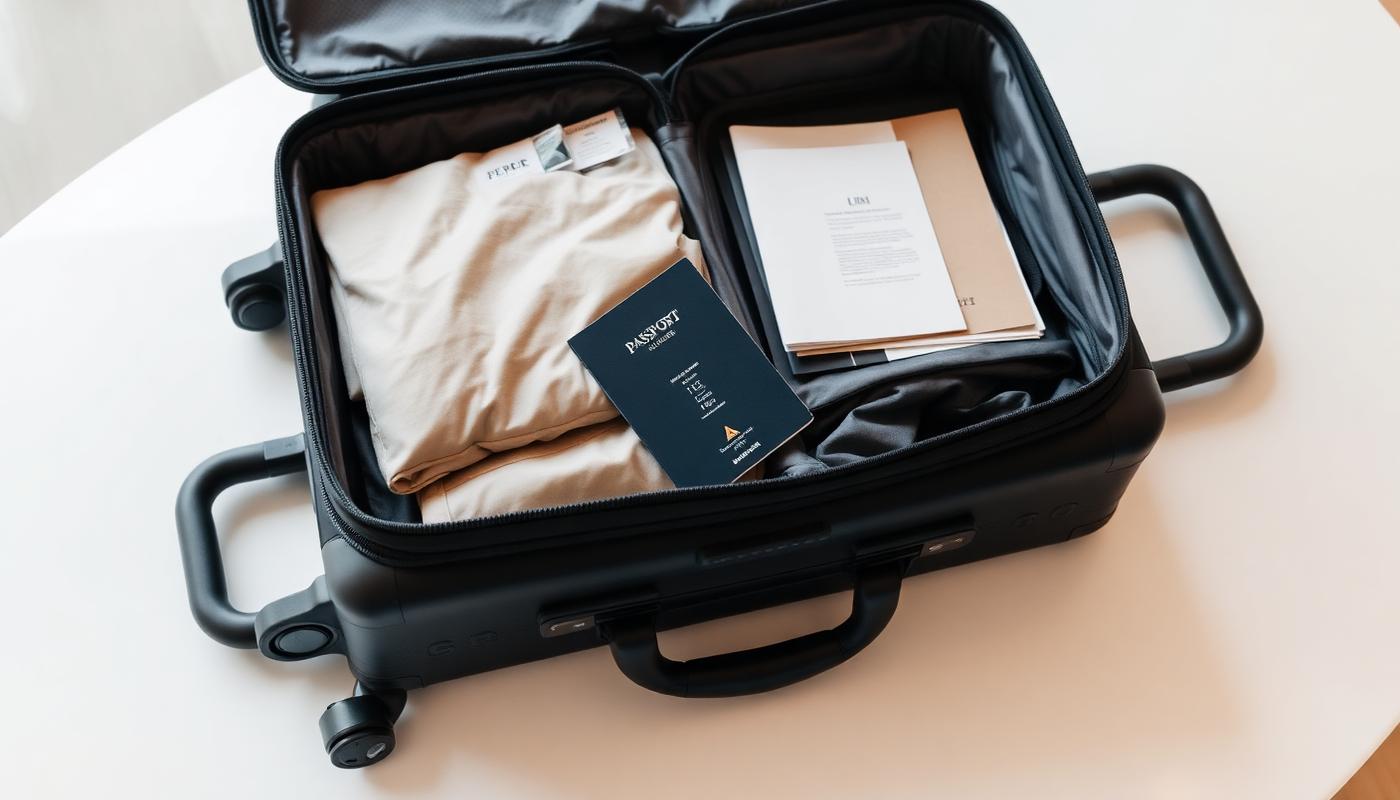
Introduction
What Rules Station covers
Rules Station exists because most travel stress comes from a rule someone found out about too late.
Three rule makers, one traveller
Travel rules feel inconsistent because they come from three separate systems that never coordinate. Security agencies decide what can pass a checkpoint. Airlines decide how much you may carry and what it costs. Individual airports and states add local requirements on top. The traveller stands at the intersection of all three, usually at six in the morning.
Knowing which system owns a rule tells you how much room there is. Security rules are not negotiable at all. Airline rules are commercial and occasionally flexible. Airport quirks are local and often unpublished until you meet them.
Documents come first, always
Document problems are the only category on this page that can end a trip before it starts. Everything else costs money or time. A passport that is three weeks short of the required validity costs the whole journey.
- Validity: many destinations require the passport to be valid for six months beyond the date of entry, some require three, and some only require validity for the stay.
- Blank pages: several countries require one or two blank pages for stamps.
- Condition: water damage and a loose cover can be treated as an invalid document.
- Authorisations: electronic travel authorisations are increasingly required even for visa-free travel, and they are not issued instantly in every case.
Check the requirement for your nationality and your route, including any country you merely transit through. Transit rules catch people out more often than destination rules.
Baggage: the allowance belongs to the fare
The single most useful correction we can offer is this: your baggage allowance is a property of the ticket you bought, not of the airline you bought it from. The same carrier can sell you a fare with two checked bags and a fare with nothing but a laptop bag, and both look identical on the booking confirmation until you read the fare rules.
Cabin bags are typically capped around 55 x 40 x 20 cm including wheels and handles, with weight limits between 7 and 12 kg. Personal items are usually around 40 x 30 x 20 cm and must fit under the seat. Checked bags are commonly 23 kg in economy, with a linear dimension limit that people discover only when buying oversized sports gear.
Security screening in practice
Screening is a process, and the process rewards preparation. Liquids in one clear bag, at the top. Laptop in a sleeve near the outside. Belt, watch, coins and phone already in a jacket pocket before you reach the tray. Done well, the whole thing takes ninety seconds. Done badly, it takes five minutes and produces a queue behind you.
Manual swabs and bag searches are routine. They are not accusations, and arguing extends them. If an item is refused, the practical options are to surrender it, post it, or in some airports place it in a paid storage locker landside, which requires time you probably do not have.
Restricted items on both sides of the bag
Some items are banned from the cabin, some from the hold, and a few from the aircraft entirely. The two directions confuse people the most.
- Lithium batteries and power banks: cabin only, never in the hold.
- Sharp blades and tools: hold only, subject to length limits.
- Aerosols: limited quantities, and some types are refused in both.
- Lighters and matches: usually one on your person, none in the hold.
- E-cigarettes: cabin only, and using them on board is prohibited everywhere.
Airport procedures and timing
Check in deadlines are separate from boarding times, and both are separate from the security queue. Online check in usually opens 24 to 48 hours before departure and closes an hour or two before. Bag drop closes earlier than most travellers assume, often 45 to 60 minutes before departure for short haul.
Boarding gates typically close 15 to 20 minutes before departure. The uncomfortable truth is that a gate closing on time is not a mistake by the airline, and there is no obligation to wait for a passenger who is airside but distracted.
Visas, transit and entry
Visa basics come down to three questions: do you need permission before you travel, can you obtain it on arrival, and does transiting a third country create its own requirement. The last question is the one that gets skipped. Some countries require a transit visa even when you never leave the airport, particularly if you change terminals or collect and recheck baggage.
We always link to the official source rather than paraphrasing a requirement into something more comfortable. Where a rule is genuinely ambiguous, we say that it is ambiguous.
Keeping this Station current
Rules move. Limits are relaxed, then reinstated, and scanner technology changes the liquid rule airport by airport. Each article carries a review date, and where a rule is in transition we describe both the strict and the relaxed version so you can prepare for the worse one.
Purpose
Why Rules Station exists
Remove late surprises
Almost every airport crisis is a rule someone learned too late. Learning it two days earlier costs nothing and changes everything.
Separate the three rule makers
Security agencies, airlines and individual airports set different rules. Knowing which one owns a rule tells you how negotiable it is.
Give checkable answers
Where a limit comes from a regulation or a published policy, we say where it comes from, so you can verify it yourself.
How to use it
A simple way to work through this Station
- 01
Start with documents
Passport validity, visa or travel authorisation, and any entry requirement for your nationality.
- 02
Confirm your fare's baggage
Allowance depends on the fare, not the airline. Basic fares often exclude the overhead bin bag.
- 03
Pack to the strict rule
Assume 100 ml liquids and laptops out of the bag. Enjoy it when the airport turns out to be more relaxed.
- 04
Check restricted items
Batteries, sharp objects, aerosols and anything pressurised have their own rules on both sides of the bag.
- 05
Plan your airport timing
Two hours domestic, three international, more during peak season or with a checked bag and no online check in.
- 06
Re-check before the return
Rules apply per departure. The airport you fly home from may be stricter than the one you started at.
Featured article
Start with this one
Rules library
Every rules guide published in this Station
Reference guides written so you can check a limit, a document requirement or a procedure in under a minute.
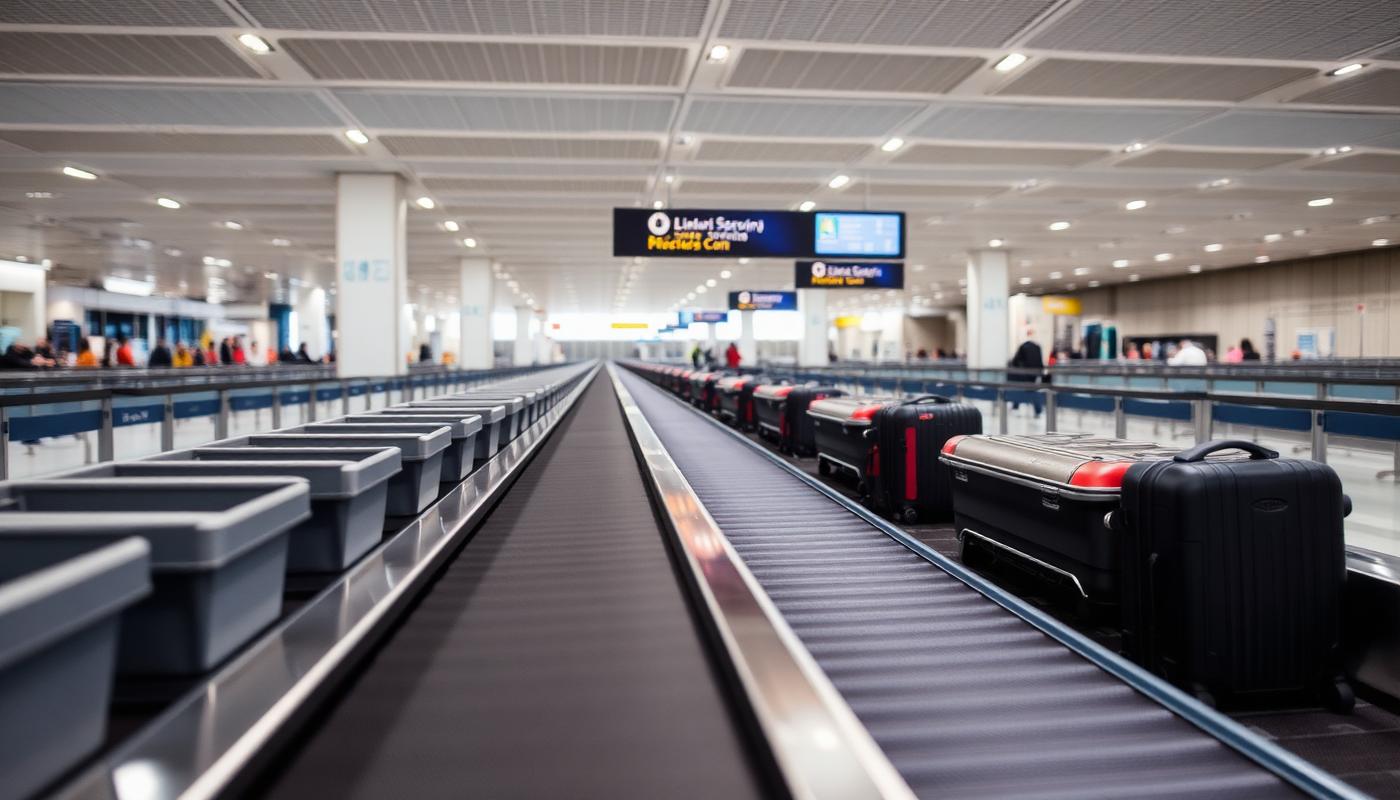
Rules Station · 11 min read
Carry-on Rules Explained
Cabin bag sizes, liquid limits, electronics, restricted items and the gate checks that catch travellers out.

Rules Station · 11 min read
Carry-On Limits, Airline by Airline
A quick-reference guide to cabin bag size and weight limits across major airlines, plus how to measure your own bag before you get to the airport.

Rules Station · 13 min read
The Checked Baggage Guide
A step-by-step guide to checked baggage, from booking to the carousel: weight and size limits, overweight fees, sports gear, fragile items and interline transfers.
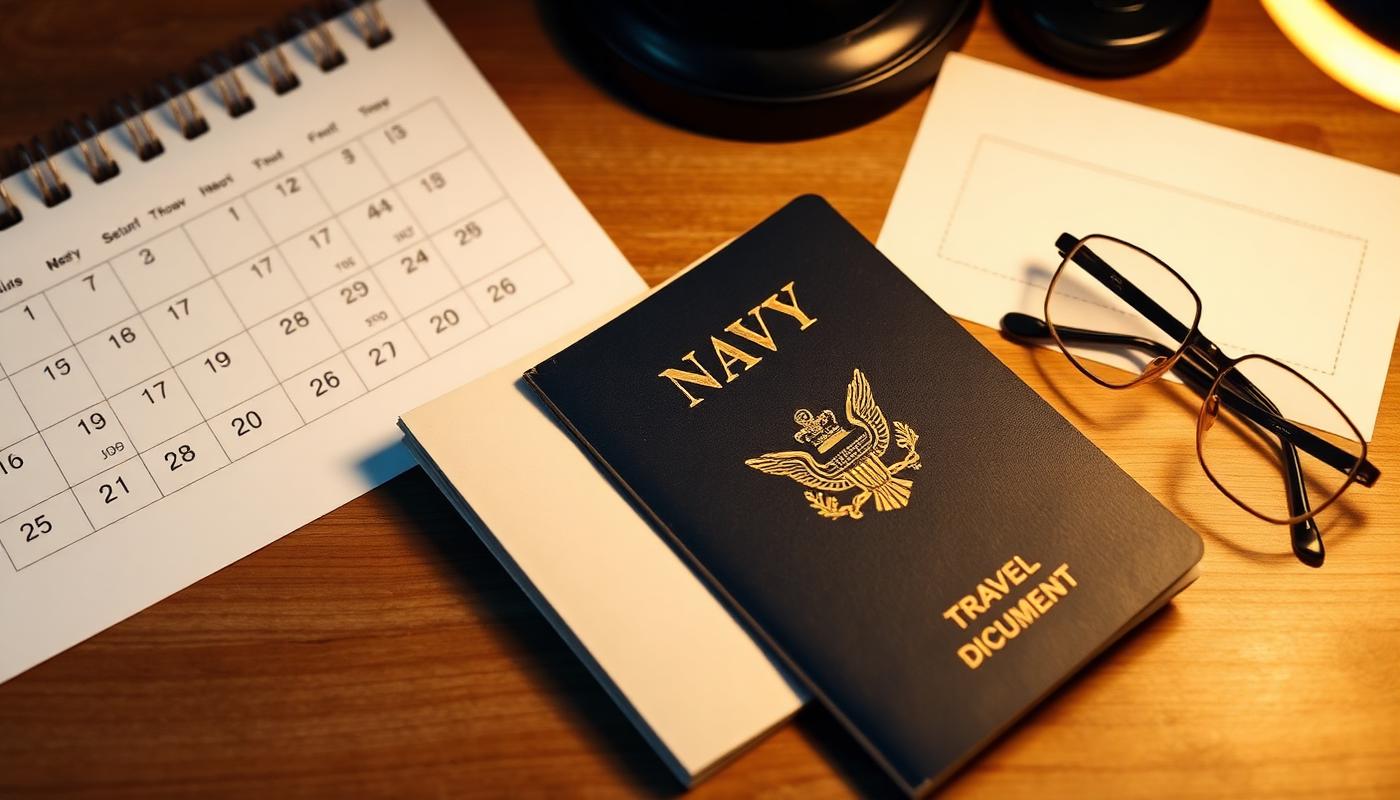
Rules Station · 12 min read
Passport Validity Rules, Explained Properly
A decision tree for passport validity rules: the six month rule, blank page requirements, damaged passports, renewal timing and dual nationality.

Rules Station · 12 min read
Visa Basics Without the Jargon
A question and answer guide to visas versus travel authorisations, visa on arrival, transit visas, processing times and what happens after a refusal.

Rules Station · 12 min read
Airport Security Screening, Start to Finish
A step by step walk through airport security screening, from bag prep to the checkpoint, plus common mistakes, CT scanners and known traveller schemes.
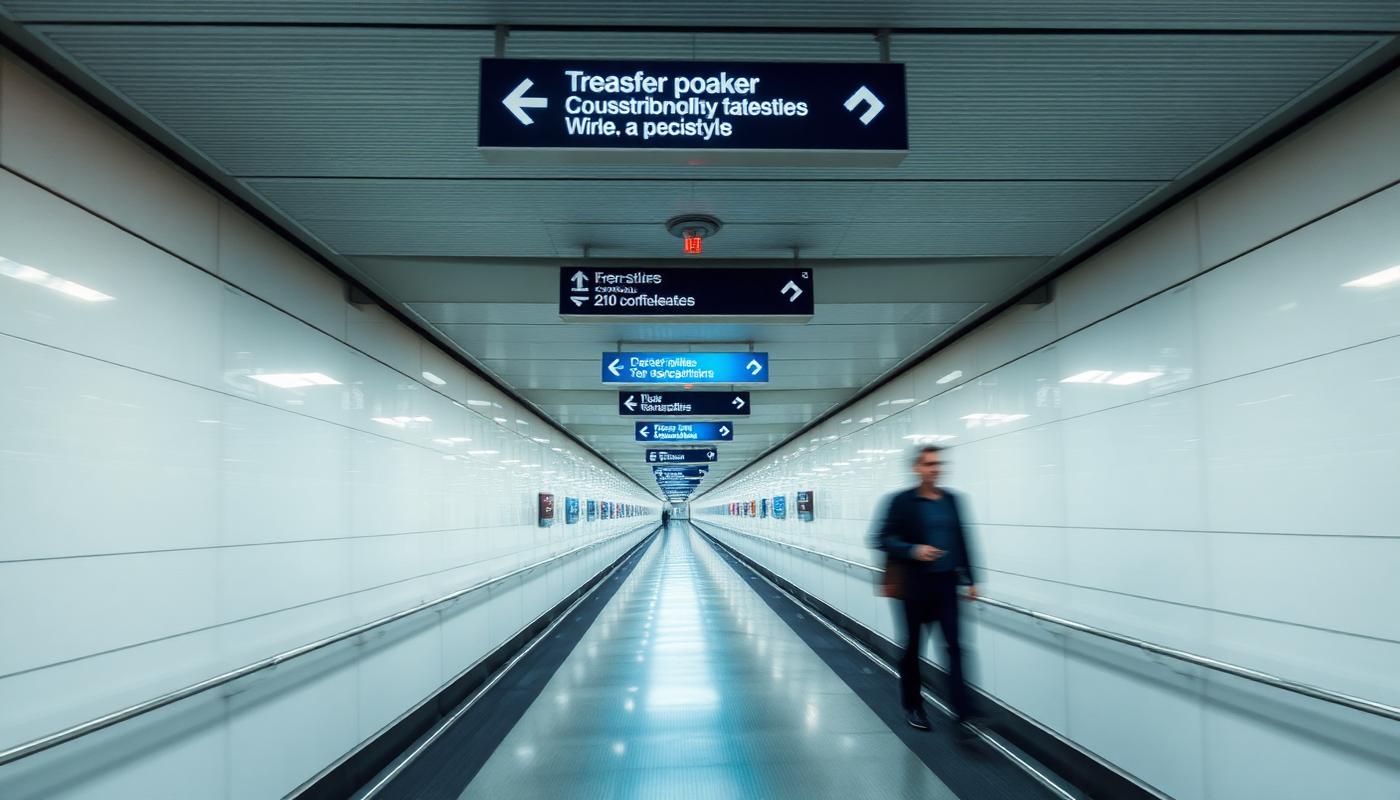
Rules Station · 13 min read
Connecting Flight Rules and Minimum Connection Times
How connections actually work across same airline, codeshare, and separate ticket bookings, with minimum connection times at LHR, AMS, FRA, CDG, ATL and DXB.
Rules Station · 13 min read
Customs and Immigration Without the Nerves
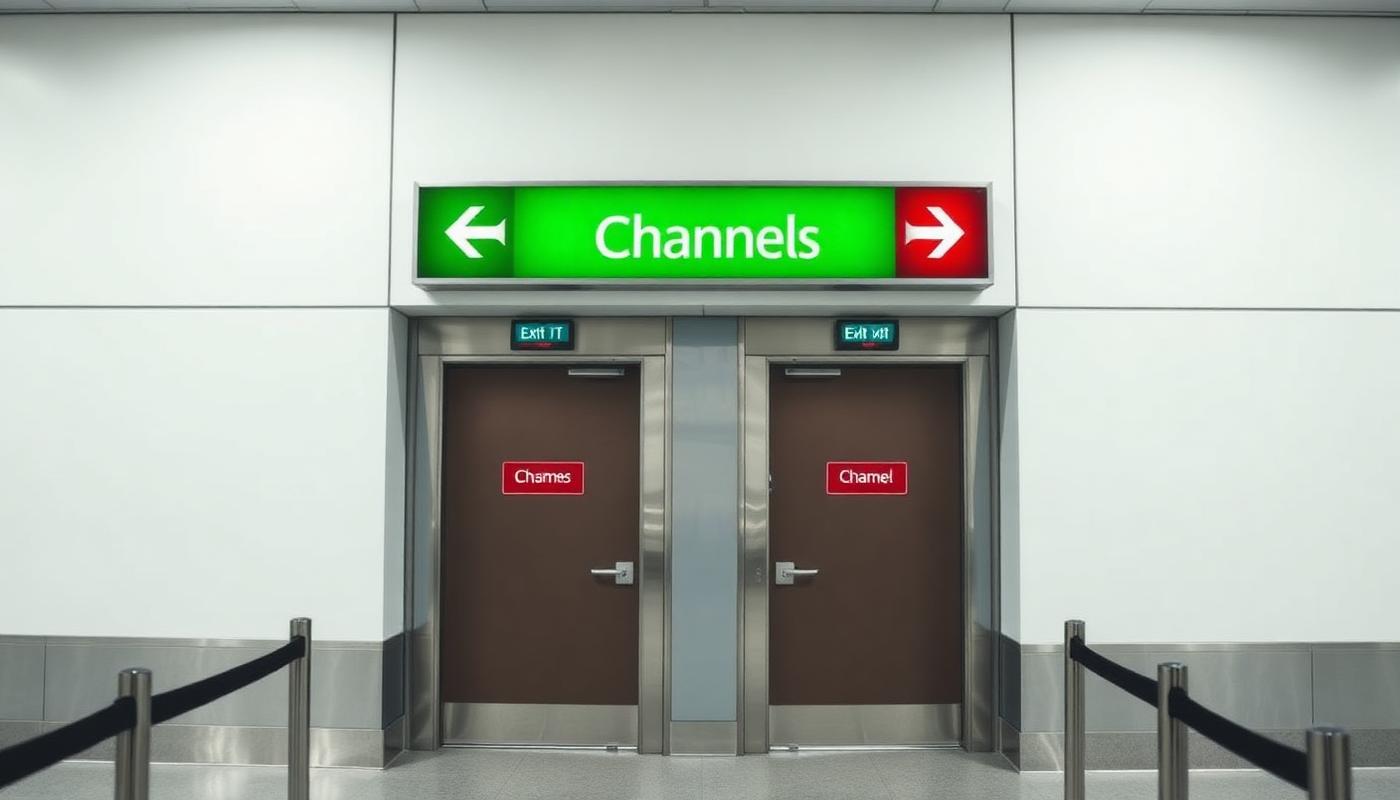
Real scenarios for customs and immigration: duty free allowances, food rules, cash declarations, red and green channels, and what secondary inspection actually involves.

Rules Station · 12 min read
The Travel Documents Checklist
A timeline based checklist for travel documents, from eight weeks out to arrival, plus what to keep as a digital copy and what needs to stay on paper.
Related stations
Continue across the network
ST-01
Route Station
Itineraries, city guides, country routes and short trips that actually fit the time you have.
OpenST-03
Change Station
Changing dates, moving flights, using travel credits and correcting a booking without panic.
OpenST-04
Fix Station
Cancellations, missed connections, lost baggage and the fast decisions that save a trip.
Open