
The Checked Baggage Guide
A step-by-step guide to checked baggage, from booking to the carousel: weight and size limits, overweight fees, sports gear, fragile items and interline transfers.
13 min read · Updated March 2025
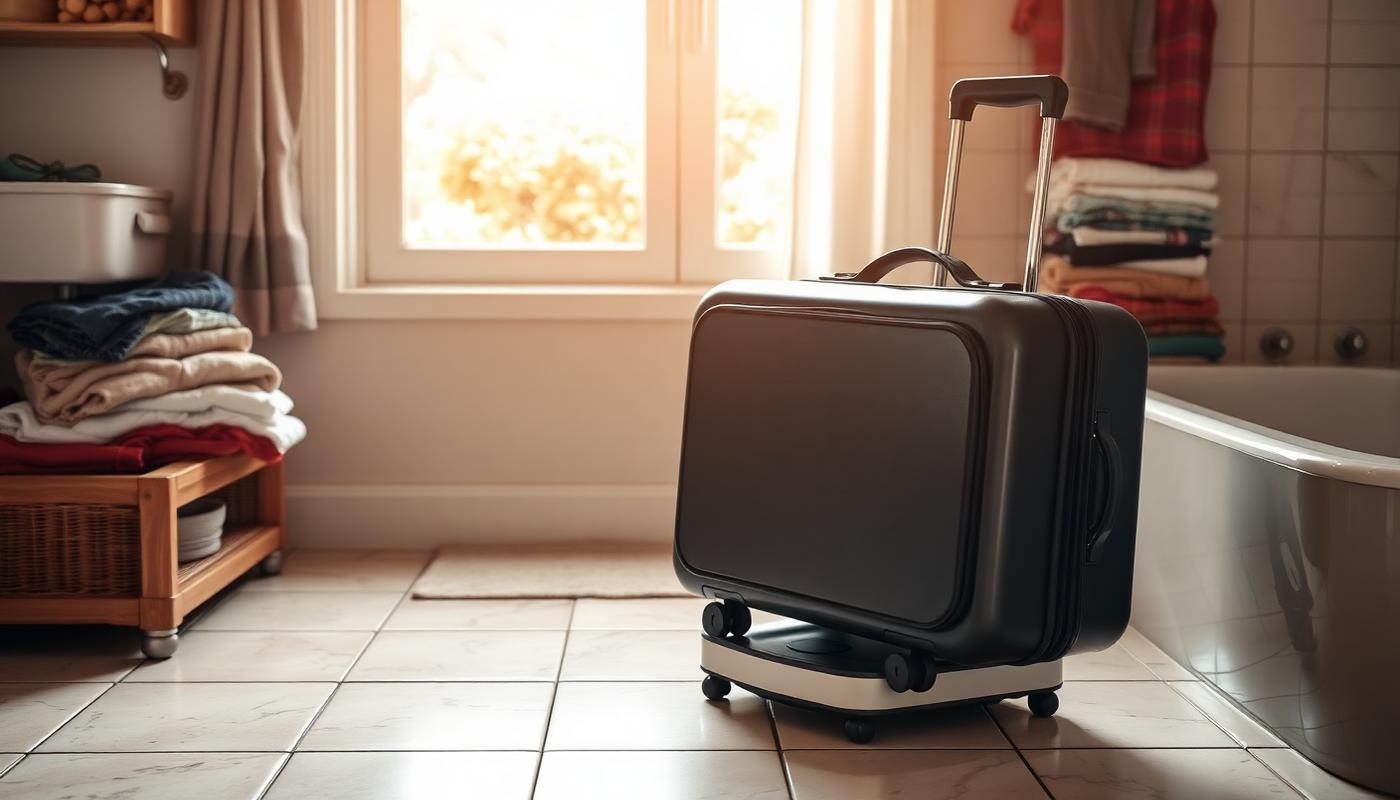
Checked baggage looks simple until something about your trip is not standard: a bag that is a kilo over, a bike that needs a box, a connection through an airport where you were not expecting to touch your luggage at all. This guide runs through the whole checked baggage journey in order, from the moment you book to the moment the bag lands on the carousel, so that every point where something can go wrong has a clear answer attached to it.
Step one: know your allowance before you book, not after
Checked baggage allowance is tied to the fare, not the airline in general, which is the single most common source of surprise at the airport. A Delta Main Cabin fare and a Delta Basic Economy fare on the identical route can carry different checked baggage inclusions. The same is true across American, United, and most European carriers, where the cheapest fare bucket frequently includes zero checked bags and everything above it is an add-on.
Long haul international fares tend to be more generous by default, often including one or two checked bags up to 23 kg each in economy, because international routes have historically bundled baggage into the base fare more than domestic short haul routes have. Carriers like Qatar Airways, Emirates and Singapore Airlines typically build a generous checked allowance into most economy fares, sometimes weight based (a total kilogram allowance) rather than piece based (a set number of bags up to a certain weight each), and it is worth checking which system applies before you pack, since the two systems calculate overage very differently.
Step two: weigh and measure before you leave home
A standard checked bag limit sits around 23 kg for most economy fares worldwide, with a size limit typically expressed as a combined length plus width plus height figure, often somewhere around 158 cm total. Business and First class fares commonly raise the weight limit to 32 kg, partly because bags heavier than that become a manual handling issue for ground staff in many countries, not just a policy limit.
Weigh the bag at home with a luggage scale, ideally the night before, with everything packed as it will travel including anything you plan to buy or bring back. If the bag sits close to the limit, keep a small fabric tote in the front pocket. Airport check-in staff will often let a passenger shift a couple of kilos from an overweight bag into a carry-on or a spare tote on the spot, which is free, rather than paying the overweight fee, which is not.
Step three: understand the fee structure if you go over
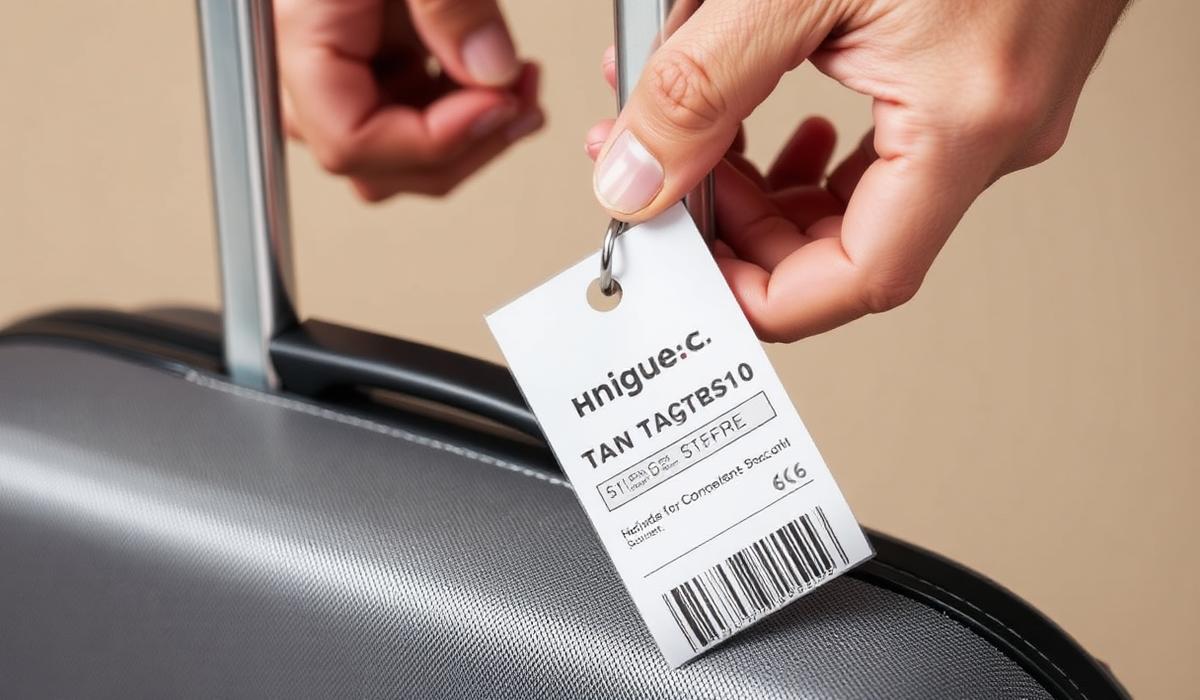
Overweight and oversized fees are structured in bands by most airlines rather than a flat penalty. A bag that is one to a few kilos over the limit usually incurs a moderate fee, while a bag that crosses into a much higher band, commonly somewhere around 32 kg, either faces a steep fee or is refused for handling reasons, since two person lifting requirements kick in around that weight in many countries' workplace safety rules.
A rough sense of how the bands tend to work, though exact figures vary constantly by airline and route:
- Up to the stated limit, generally 23 kg in economy: no extra fee.
- A few kilos over, commonly up to around 32 kg: a moderate overweight fee, often 50 to 100 dollars or the local equivalent.
- Beyond around 32 kg: many airlines refuse the bag outright for handling safety reasons, or charge a significantly higher fee and require it to travel as cargo instead.
- An additional bag beyond the included allowance: usually a separate flat fee per extra piece, distinct from the overweight fee for a single bag.
It is worth noting that these fees are frequently non-refundable and are charged per direction, so a round trip with an overweight bag both ways effectively doubles the cost. If you know a bag will come back heavier than it left, for example due to shopping, it can be worth pre-purchasing extra weight or an extra bag for the return leg online in advance, where fees are almost always lower than at an airport counter.
Step four: special cases, sports gear and unusual items
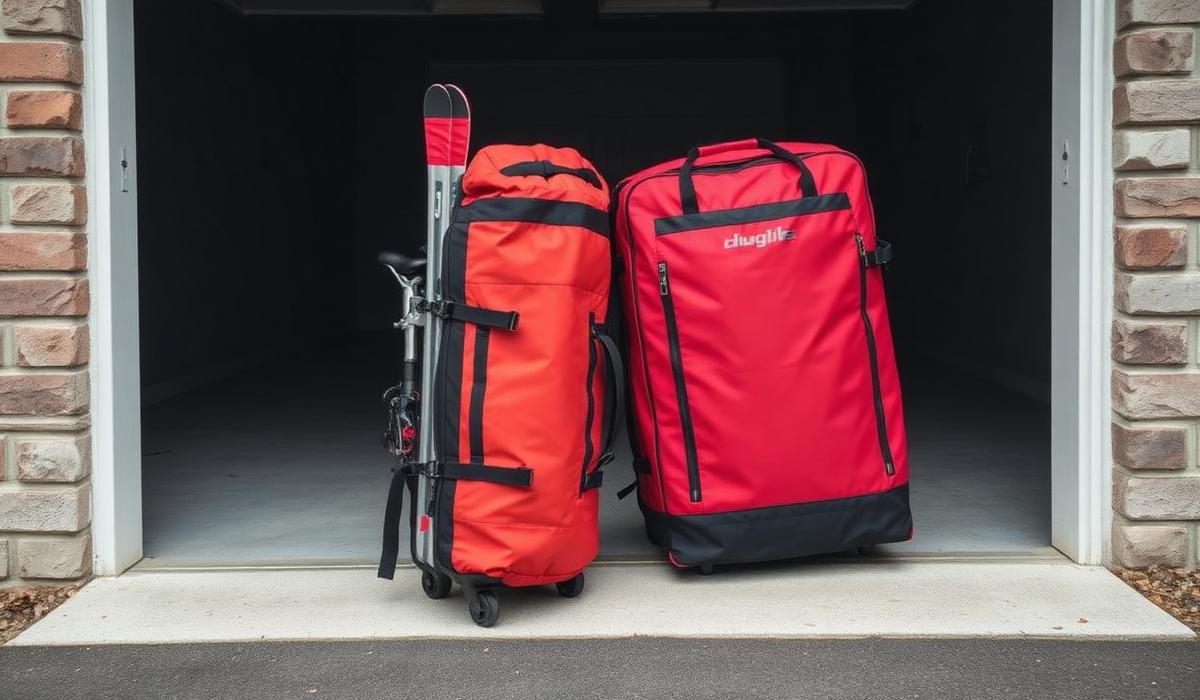
Sports equipment sits in its own category on most airlines, with specific rules for items like skis, snowboards, golf bags, surfboards, and bicycles. Many carriers, including American, British Airways and Air Canada, will count a single item of sports equipment, such as one golf bag or one pair of skis in a bag, as part of the standard checked allowance provided it meets a specific size and weight limit, rather than charging as an extra piece. Bicycles are more often treated as an oversized item requiring a separate fee, partly because a bike box frequently exceeds the standard linear dimension limit even when the bike itself is disassembled and boxed properly.
Surfboards and larger sporting items tend to attract a flat oversized fee regardless of weight, simply because of their length. If a trip involves this kind of gear, it is worth calling the airline directly rather than relying only on the website, since these categories are updated less frequently online and ground staff sometimes apply local judgment about what fits the stated dimensions.
Step five: fragile and valuable items
Almost every airline's contract of carriage states plainly that fragile, valuable or perishable items travel in checked baggage at the passenger's own risk, and that items like electronics, jewellery, cash, medication and important documents should be carried in the cabin instead. This is not just fine print. Baggage handling involves conveyor belts, cart loading and aircraft holds that are not temperature or shock controlled in the way a cabin is, and claims for damaged fragile items in checked bags are frequently rejected on exactly this basis.
If an item must be checked and is genuinely fragile, some airlines offer a fragile tag or special handling request at check-in, which flags the bag for handlers but does not guarantee gentler treatment and does not usually change the airline's liability position. Musical instruments are a special case again: many are too large for the cabin and too fragile for the hold in the eyes of the traveller carrying them, which is why seasoned musicians often either buy a seat for the instrument or use a purpose built flight case rated for hold transport.
Step six: connections and interline transfers
Whether a checked bag transfers automatically at a connection depends entirely on how the ticket is issued. A single ticket booked through one airline or a codeshare partnership, for example a United flight connecting to a Lufthansa flight under a shared Star Alliance booking, will normally have the bag checked all the way through to the final destination, and the passenger simply collects it at the last airport.
Separate tickets, even on the same day and even between airlines that operate a partnership on other routes, generally do not transfer bags automatically unless there is a specific interline agreement covering that combination of flights. In that case, the traveller needs to collect the bag at the connecting airport, clear customs and immigration if it is an international-to-domestic connection, and re-check the bag for the next flight, which requires enough connection time to physically do all three steps.
This distinction matters most at hub airports like Chicago O'Hare, Frankfurt or Amsterdam, where a mis-timed self-transfer connection has caused more missed onward flights than almost any other single travel planning mistake. When booking a self-transfer, or a combination of separately ticketed flights through a site that assembles them together, always check whether baggage is actually being checked through, and do not assume it is simply because the itinerary looks continuous on screen.
Step seven: the arrival, the carousel and what to do if it goes wrong
At the destination, checked bags typically appear on a designated carousel shown on arrivals screens, usually within twenty to forty minutes of an aircraft reaching the gate, though this varies a great deal by airport size and how many flights are unloading at once. If a bag does not appear, most airports have a baggage service desk near the carousel area, and the report should be filed before leaving the baggage hall, not after, since airlines generally require this for a mishandled baggage claim to be valid.
Keep the baggage claim tag stub until the bag is safely in hand. It is the fastest way for staff to trace a bag's last scanned location, and without it a delayed bag report takes considerably longer to process. If a bag is delayed rather than lost outright, many airlines will cover reasonable interim expenses like toiletries or a change of clothes, generally against receipts, though the amount and process differ by carrier and by whether the flight was domestic or international.

Common mistakes that cost people money or time
- Assuming the checked allowance from a past trip still applies. Fare rules change, and a Basic Economy fare on United or American today may include less than the same route did a year or two ago. Check the current fare, not memory.
- Packing the bag right up to the limit with no margin. A bag that reads 22.8 kg at home on a slightly different scale can easily tip over 23 kg at the airport counter, especially after a last minute addition like a jacket or a bottle of water bought before check-in.
- Not weighing bags separately when travelling as a group. Many airlines, including British Airways and Lufthansa, will average baggage weight across bags checked together on the same booking, but this is not universal, and it is worth asking at check-in rather than assuming it applies.
- Booking a tight self-transfer connection with checked bags. If a bag needs to be collected and re-checked because two tickets are not properly linked, a ninety minute connection at a large hub like Amsterdam or Chicago O'Hare is frequently not enough time to do it.
- Leaving valuables in a checked bag "just this once." The contract of carriage language about fragile and valuable items is there because claims get rejected on exactly this basis, and it takes only one bad experience to make the point permanently.
A short checklist before you fly
Running through a short list before a trip catches most of what causes trouble at the checked baggage counter:
- Confirm the checked baggage allowance attached to the actual fare booked, not a general figure remembered from a previous trip on the same airline.
- Weigh every bag packed as it will travel, the night before departure, with a margin of at least a kilogram below the stated limit.
- If travelling with sports equipment, confirm the specific policy for that item type directly with the airline rather than relying only on the general checked baggage page.
- If the itinerary includes a self-transfer or separately booked connecting flight, confirm in writing, or by phone, whether bags are checked through to the final destination or need to be collected and re-checked.
- Keep the baggage claim tag stub somewhere accessible until every checked bag on the trip has been collected.
None of these steps take long individually, but together they cover almost every scenario in this guide, from an overweight bag at check-in to a bag that does not appear on the carousel at all.
Checked baggage is one of the few parts of air travel that rewards a bit of upfront administration: checking the fare's included allowance at booking, weighing the bag the night before, and understanding whether a connection actually transfers the bag or not. Get those three things right and the carousel at the other end becomes the boring, uneventful part of the trip it is supposed to be. For the cabin side of the same question, see the companion piece on carry-on limits airline by airline, and for what happens after landing, the customs and immigration guide picks up from the carousel onward.
Where to go next
Worth reading next: read Carry-On Limits, Airline by Airline, Connecting Flight Rules and Minimum Connection Times. The full Rules Station index lists every guide in this module, and Change Station covers the side of the trip this article does not. If the dates themselves are still moving, the itineraries in Route Station are built to absorb a shifted day.
Frequently asked questions
Related articles
Keep reading across the network

Rules Station · 11 min read
Carry-On Limits, Airline by Airline
A quick-reference guide to cabin bag size and weight limits across major airlines, plus how to measure your own bag before you get to the airport.
Rules Station · 13 min read
Connecting Flight Rules and Minimum Connection Times
How connections actually work across same airline, codeshare, and separate ticket bookings, with minimum connection times at LHR, AMS, FRA, CDG, ATL and DXB.
Rules Station · 13 min read
Customs and Immigration Without the Nerves
Real scenarios for customs and immigration: duty free allowances, food rules, cash declarations, red and green channels, and what secondary inspection actually involves.