
Tasmania in Five Days: Hobart, Freycinet and Cradle Mountain
A five day Tasmania driving itinerary from Hobart through Freycinet to Cradle Mountain, with distances, walk grades, park pass details and costs in AUD.
13 min read · Updated December 2024
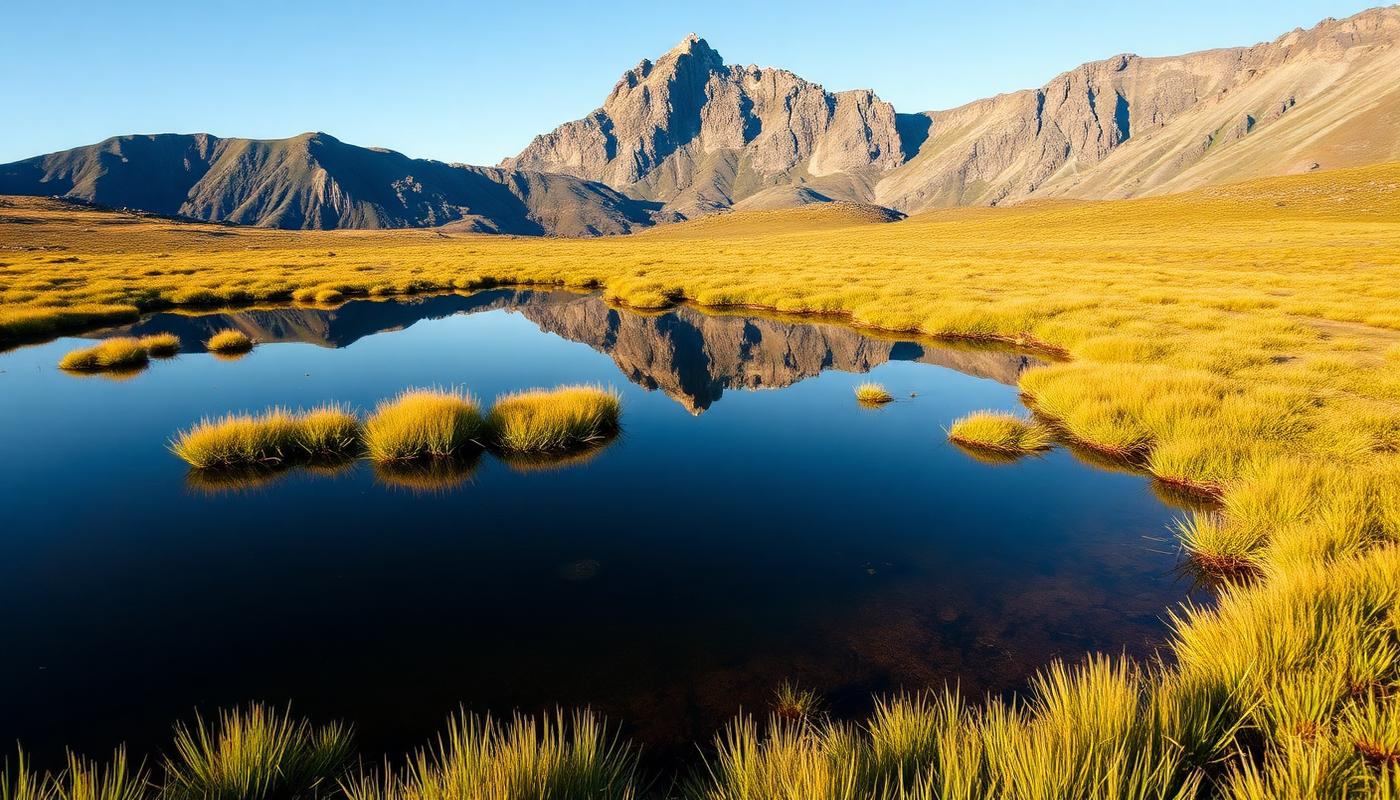
Tasmania is roughly the size of Ireland with about a tenth of the population, and the single biggest planning error visitors make is assuming that small means quick. The roads are good and almost entirely two lane, they wind, and the speed you average on a map is not the speed you average on the Lake Highway with a log truck in front of you.
This five day route covers the three things most people come for, in an order that avoids doubling back: Hobart and the Tasman peninsula, Freycinet on the east coast, and Cradle Mountain in the highlands, finishing at Launceston. It is a one way drive, so book the car accordingly.
Who it is for
Confident drivers who like walking but do not want a multi-day hike. Every walk in this itinerary is between twenty minutes and three hours and can be shortened. It works for couples, friends and families with children over about eight. It works poorly as a rushed four day trip, which is what people usually try and regret.
The route at a glance
- Day one: Hobart. Salamanca, kunanyi/Mount Wellington, MONA.
- Day two: Tasman Peninsula and Port Arthur, then north to Swansea. About 250 kilometres.
- Day three: Freycinet. Wineglass Bay and the Hazards. Night in Coles Bay or Bicheno.
- Day four: drive west to Cradle Mountain via Launceston. About 340 kilometres, 4 hours 30 minutes.
- Day five: Cradle Mountain walks, then Launceston. About 150 kilometres.
Day one: Hobart
Start at Salamanca Place, a row of sandstone warehouses on the waterfront. On Saturdays the market fills the whole street with about three hundred stalls and it is the best morning in the city. Behind it, the Battery Point streets are the old maritime village, reached by the Kelly's Steps.
Drive up kunanyi, Mount Wellington, 1,271 metres, on a sealed road that takes about thirty minutes from the city. The summit is regularly ten degrees colder than the waterfront and often in cloud. Check the webcam before you commit. The boardwalk at the top takes fifteen minutes and the view over the Derwent estuary is the best orientation you will get.
In the afternoon, MONA. The Museum of Old and New Art is built into a sandstone cliff twelve kilometres north of the city, mostly underground, and is the reason a lot of people visit Tasmania at all. Take the catamaran from Brooke Street Pier, which costs about 25 AUD return and takes thirty minutes. Entry is roughly 40 AUD for non-Tasmanians. Allow three hours minimum and expect at least one work you actively dislike, which is the intent.
Day two: Port Arthur and the drive north
Port Arthur is 95 kilometres southeast of Hobart, about ninety minutes. It was a convict penal settlement from 1830 to 1877 and the site now holds more than thirty buildings and ruins across a large landscaped harbour site. Entry is around 47 AUD and includes a walking tour and a short harbour cruise, valid for two days.
It is also the site of the 1996 massacre, and the memorial garden is part of the visit. Staff handle this with care and visitors should too.
On the way there or back, the Tasman peninsula has a set of short coastal walks at Tasman Arch, the Devils Kitchen and Waterfall Bay, each ten to thirty minutes from a car park, along cliffs of columnar dolerite up to 300 metres high. The Remarkable Cave boardwalk is another fifteen minutes.
Then drive north to Swansea or Coles Bay, about two and a half to three hours. Stop at Spiky Bridge, a convict built bridge with vertical stones on top for reasons nobody has fully explained, and at Kate's Berry Farm for ice cream, which is not a landmark but is correct.
Day three: Freycinet
Wineglass Bay is the photograph on every Tasmania brochure and it is genuinely that good. There are three versions of the walk and you should pick one honestly:
- Wineglass Bay Lookout: 1.3 kilometres each way, about an hour return, a steady climb on steps.
- Lookout plus the descent to the beach: 3 hours return, considerably steeper coming back up.
- The full Hazards Beach circuit: 11 kilometres, 4 to 5 hours, flat second half along the isthmus.
Start before 09:00 in summer. The car park at the trailhead fills completely and there is an overflow system that adds twenty minutes of walking before the walk begins.
In the afternoon, Cape Tourville lighthouse has a twenty minute flat boardwalk loop with a view down the whole coast, and Honeymoon Bay is the swimming stop, if you are prepared for water that is bracing in a way the photographs conceal.
Stay in Coles Bay or Bicheno. At Bicheno there is a nightly little penguin tour where the birds come ashore after dusk, around 45 AUD, which is much better run than it sounds.
Day four: west to the highlands
The drive to Cradle Mountain runs inland through Launceston, roughly four and a half hours in total. Break it at Launceston for lunch and the Cataract Gorge, which is a river gorge with a chairlift and a swimming pool fifteen minutes' walk from the city centre.
West of Launceston the country changes: farmland, then plantation forest, then button grass moorland. Arrive at Cradle Mountain in the late afternoon. Accommodation there is limited and expensive, from around 180 AUD for a cabin to well over 400 AUD at the lodges, so book early.
At dusk, go to Ronny Creek. Wombats graze on the button grass flats there most evenings, entirely unconcerned by people. Keep back the required distance and do not feed anything.

Day five: Cradle Mountain
Park at the visitor centre and take the shuttle bus, which is included in the parks pass and runs every ten to fifteen minutes to Dove Lake. Private cars are not permitted past Snake Hill during the day in peak season.
The Dove Lake Circuit is six kilometres, mostly boardwalk, two to three hours, and takes you right under the mountain with the Ballroom Forest section running through cool temperate rainforest at the far end. It is the single best walk on this itinerary and it is achievable for most people.
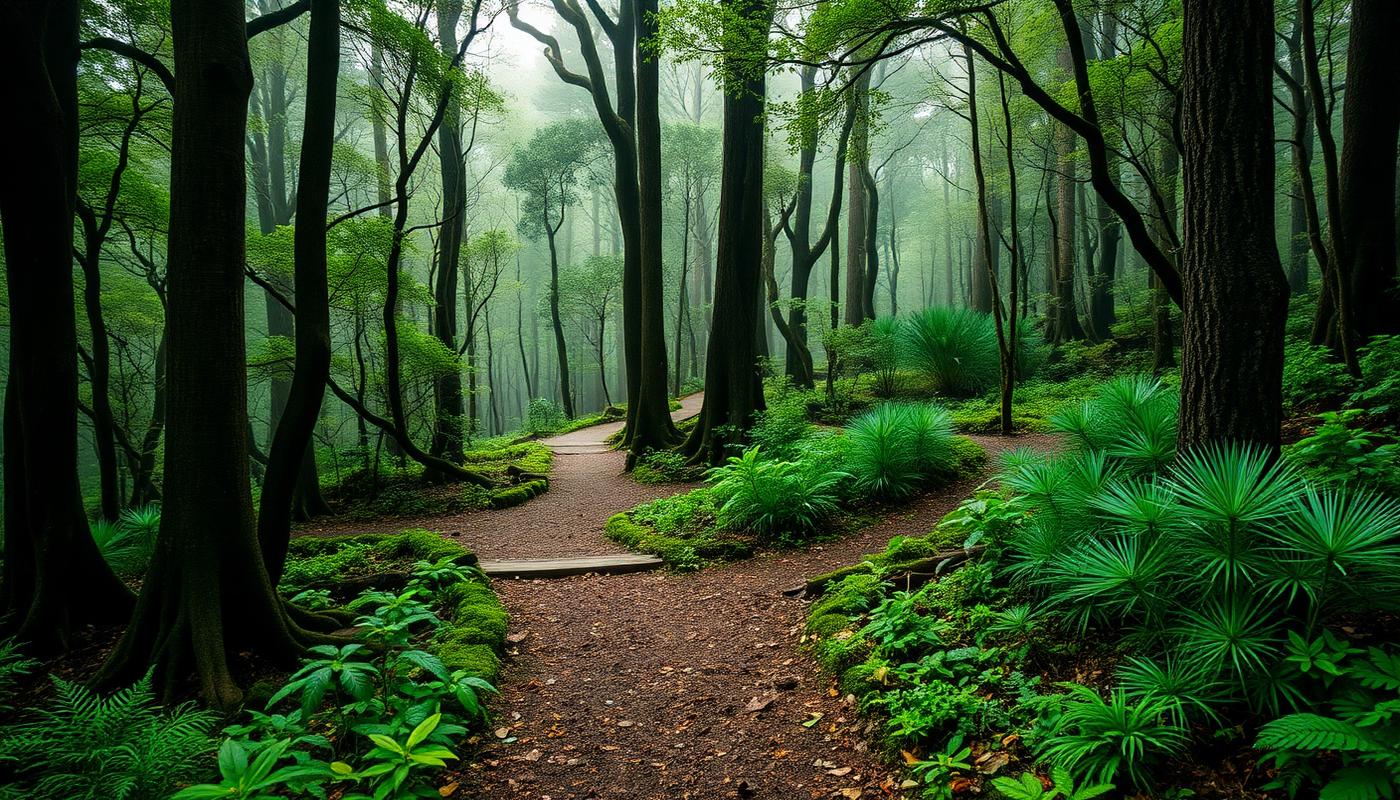
Shorter options exist from the same shuttle stops: the Enchanted Walk is twenty minutes beside a creek, and the Cradle Valley boardwalk runs eight kilometres one way with shuttle pickups along it. Longer options include Marions Lookout, which climbs 300 metres with a chain section, and the Cradle Mountain summit, which is a six to eight hour scramble that should only be attempted in settled weather.
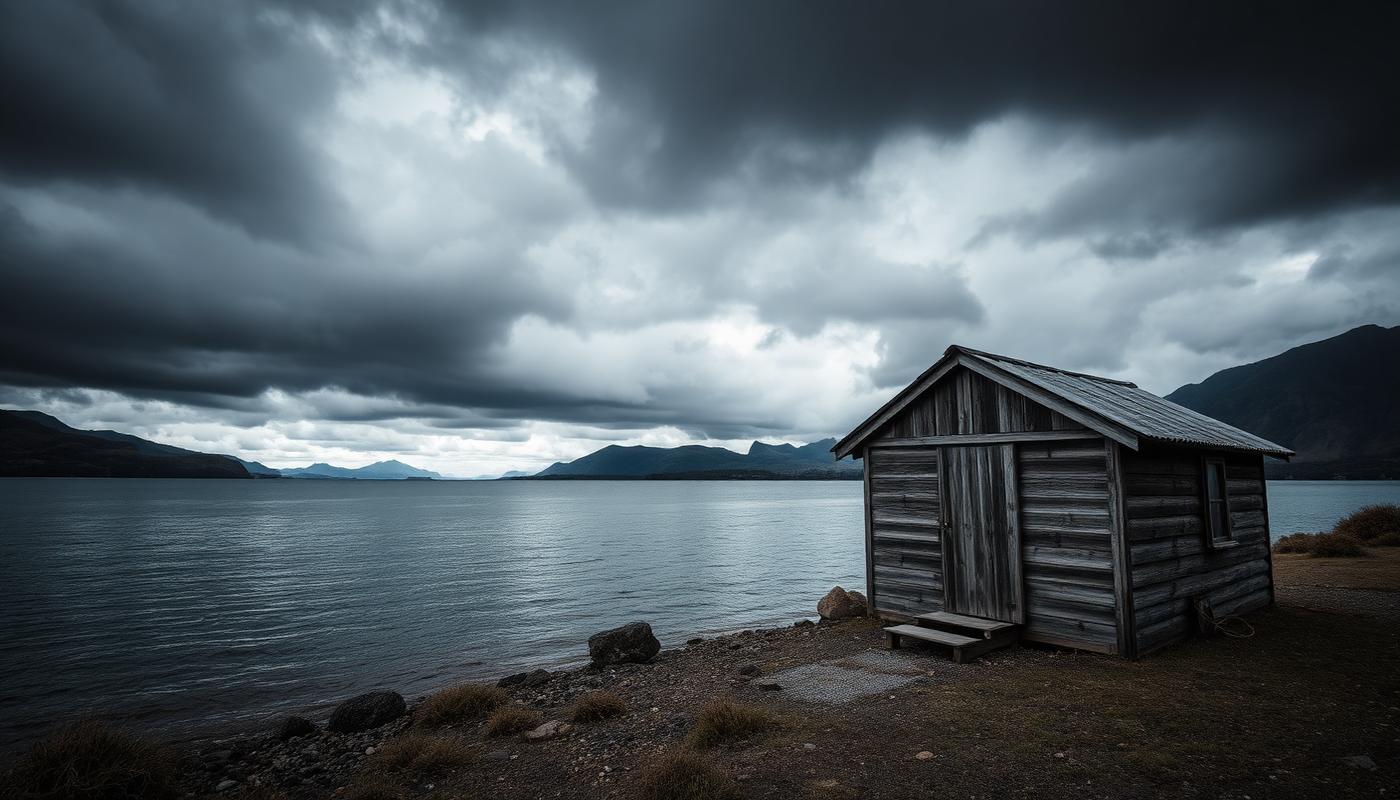
Weather here changes hourly. The park records something like 240 days of rain a year and snow in every month. Carry a waterproof layer, warm mid layer, hat and food even for a two hour walk, and register your intentions for anything longer.
Drive back to Launceston in the afternoon, about two and a half hours, and fly out from there.
Budget
- Rental car: 60 to 100 AUD a day, plus a one way fee if you drop in Launceston.
- Fuel for the whole route: about 120 to 160 AUD.
- Parks holiday pass: about 90 AUD per vehicle.
- Port Arthur and MONA: about 90 AUD combined.
- Accommodation: 140 to 250 AUD a night, more at Cradle Mountain.
- Food: 60 to 110 AUD per person per day.
Practical notes
- Wildlife on the roads is a serious hazard between dusk and dawn. Avoid driving at those hours where you can.
- Fuel stations are sparse in the northwest. Fill up in Launceston or Sheffield before Cradle.
- Mobile coverage drops out on the east coast and in the highlands. Download offline maps.
- Book Cradle Mountain accommodation and the Freycinet lodges well ahead in January.
- Tasmanian produce is the quiet highlight: oysters, scallop pies, cheese and cool climate pinot.
Season and weather variants
December through March is the reliable window for this route, with the longest daylight and the best odds of a clear day at Cradle Mountain, though "best odds" in the highlands still means expect at least one genuinely wet or cold day even in January. Shoulder months, October, November and April, usually bring thinner crowds at Wineglass Bay and cheaper accommodation, at the cost of shorter days and a real chance of a cold snap in the highlands. Winter, June through August, turns Cradle Mountain into a genuinely alpine environment with snow a real possibility on any day of the year there, and this route is better attempted as a shorter Hobart and Freycinet trip in that season rather than pushing on to the highlands with the same expectations.
Transport specifics
Redline Coaches and Tassielink both run scheduled services along parts of this route if you would rather not drive the whole way, though frequency drops sharply outside the main towns and neither replaces a car for the short stops this itinerary depends on, like Spiky Bridge or the Tasman Arch walks. Self-driving remains the practical choice for nearly everyone doing this route. The one way rental fee for picking up in Hobart and dropping in Launceston is usually modest compared with the time saved by not doubling back, and most major agencies operate in both cities. The Cradle Mountain shuttle bus itself, included with the parks pass, runs every ten to fifteen minutes in season from the visitor centre to Dove Lake and is the only way most visitors reach the lake between roughly 8am and 6pm.
Where to stay, and the trade-offs
Hobart accommodation ranges from harbourside hotels near Salamanca, convenient but busy on market Saturdays, to quieter guesthouses in North Hobart, a short drive or a longer walk from the water but close to a strong run of restaurants. On the east coast, Coles Bay sits right at the Freycinet park entrance and costs more for that convenience, while Bicheno, twenty five minutes further, is cheaper and adds the little penguin viewing as a bonus, at the cost of a slightly earlier start for the Wineglass Bay walk. At Cradle Mountain, accommodation is genuinely limited and books out well ahead in summer. Cabins near the park entrance cost noticeably less than the lodges close to the visitor centre, but they add ten to fifteen minutes of driving each way, which matters on a cold dark evening after a long walk.
Common mistakes
- Underestimating driving times on winding roads. A route that looks like two hours on a map regularly takes two and a half once you account for the Tasman Highway's curves and the odd slow truck.
- Arriving at the Wineglass Bay car park after 9am in summer and being sent to the overflow lot, adding twenty minutes of walking before the actual walk even begins.
- Assuming a rental sedan can handle every road on this route. Most of it is sealed and easy, but check conditions if there has been recent heavy rain on the unsealed sections near some lookouts.
- Not booking Cradle Mountain accommodation early enough. It sells out well before Hobart or the east coast does, because supply there is genuinely small.
- Driving at dusk or after dark on rural stretches. Wildlife strikes are common and several of the roads on this route have poor lighting and a real deer, wallaby and wombat presence at the roadside.
Related routes
Milford Sound and Queenstown is the natural companion route across the Tasman, and Cape Town in five days uses the same floating-day approach to weather. See Route Station for how we grade walking distance in every itinerary.
Frequently asked questions
Related articles
Keep reading across the network
Route Station · 13 min read
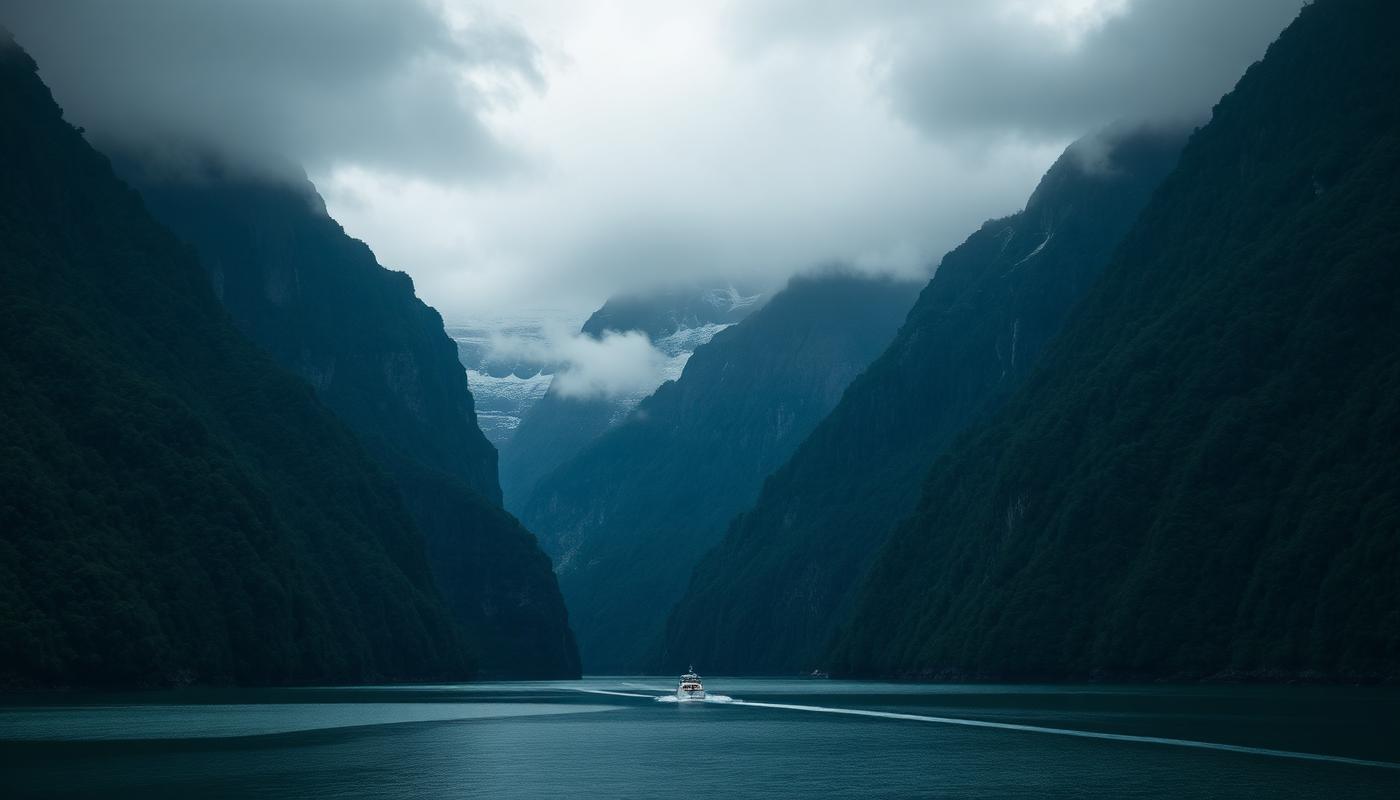
Milford Sound and Queenstown in Four Days
A four day South Island itinerary combining Queenstown, Glenorchy, Te Anau and Milford Sound, with driving times, cruise advice and costs in NZD.
Route Station · 14 min read
Cape Town in Five Days, Weather Permitting
A five day Cape Town itinerary designed around wind and weather: Table Mountain, the Cape Peninsula, Bo-Kaap, the Winelands and Robben Island.
Route Station · 13 min read
Oslo to Bergen by Train in Four Days
A four day rail itinerary from Oslo to Bergen with the Flam railway and the Naeroyfjord, including seat advice, timings and a realistic Norwegian budget.