
Milford Sound and Queenstown in Four Days
A four day South Island itinerary combining Queenstown, Glenorchy, Te Anau and Milford Sound, with driving times, cruise advice and costs in NZD.
13 min read · Updated November 2024
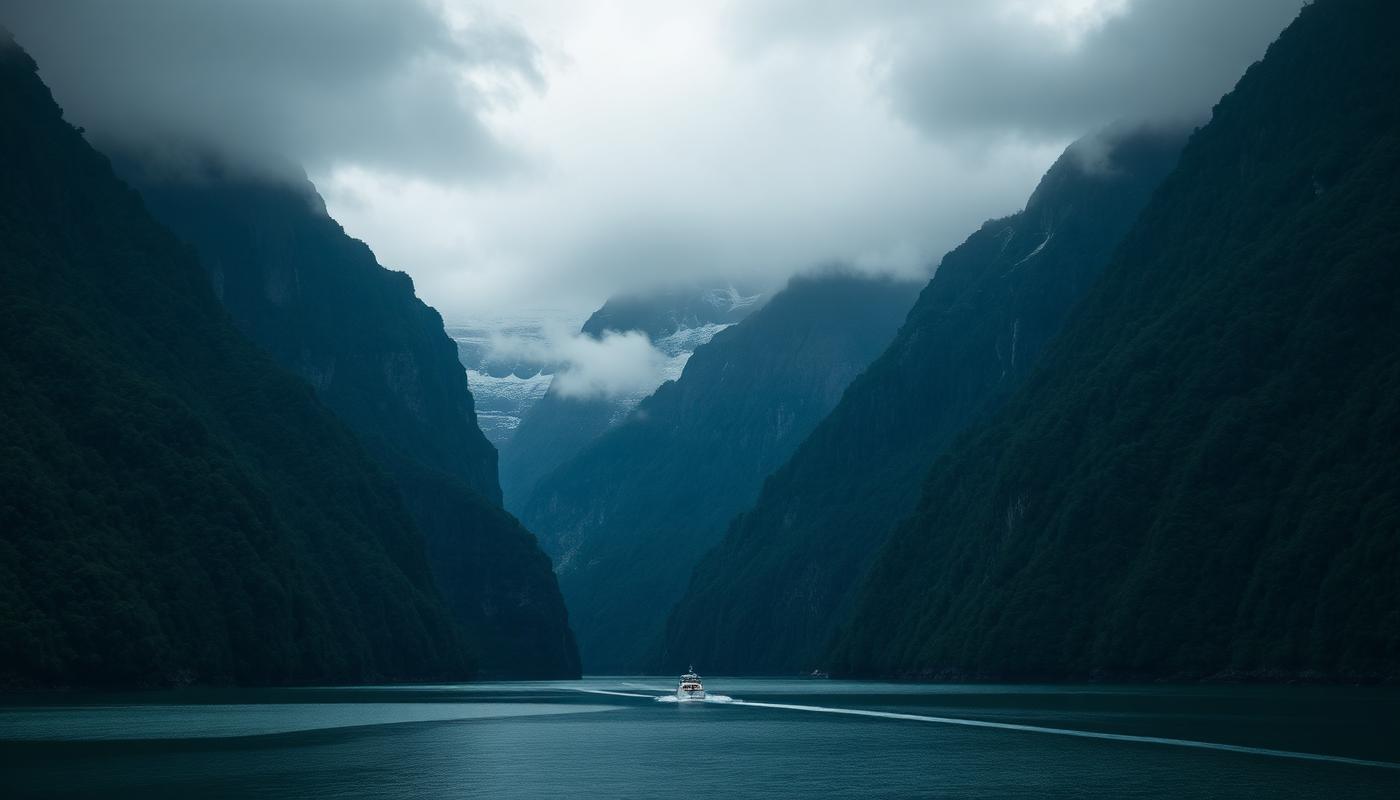
The most common mistake in Fiordland is the Milford day trip from Queenstown. It exists, thousands of people do it every summer, and it involves roughly eight hours in a bus or a car in exchange for ninety minutes on a boat. The fiord deserves better than that, and so does your back.
This four day route stages the trip through Te Anau instead. Two nights in Queenstown, one in Te Anau, and Milford as a relaxed morning rather than an endurance test. Total driving is around 700 kilometres and none of it is on a difficult road.
Who this is for
Anyone comfortable driving on the left on rural roads. The itinerary has optional walking from a twenty minute boardwalk up to a five hour alpine climb, so it scales to fitness. It is a strong route for a first South Island visit and a good one for photographers, who will want the extra hours the Te Anau overnight provides.
Distances and timings
- Queenstown to Glenorchy: 46 kilometres, about 50 minutes on a lakeside road.
- Queenstown to Te Anau: 170 kilometres, about 2 hours 15 minutes.
- Te Anau to Milford Sound: 120 kilometres, about 2 hours without stops, 3 with them.
- Milford Sound back to Queenstown direct: about 4 hours.
The Milford Road, State Highway 94, has no fuel between Te Anau and the fiord and no mobile coverage for most of its length. Fill the tank in Te Anau. This is not a suggestion.
Day one: Queenstown without the adrenaline
Queenstown sells itself as an adventure capital, which is accurate and also skippable. If you want the bungee at the Kawarau bridge, the world's first commercial jump at 43 metres, it is 20 minutes away and costs around 255 NZD. If you do not, the town works perfectly well as a lakeside base.
Walk the Queenstown Gardens peninsula loop, which is flat, forty minutes, and gives the classic view back at the Remarkables. Take the Skyline gondola up Bob's Peak, about 55 NZD return, for the panorama and the luge track if you have children with you.
In the afternoon, drive out to Arrowtown, a preserved gold rush settlement twenty minutes away with a Chinese miners' settlement along the creek that is far more interesting than the souvenir shops on the main street. In April the avenue of poplars there turns and the whole town gets photographed relentlessly.
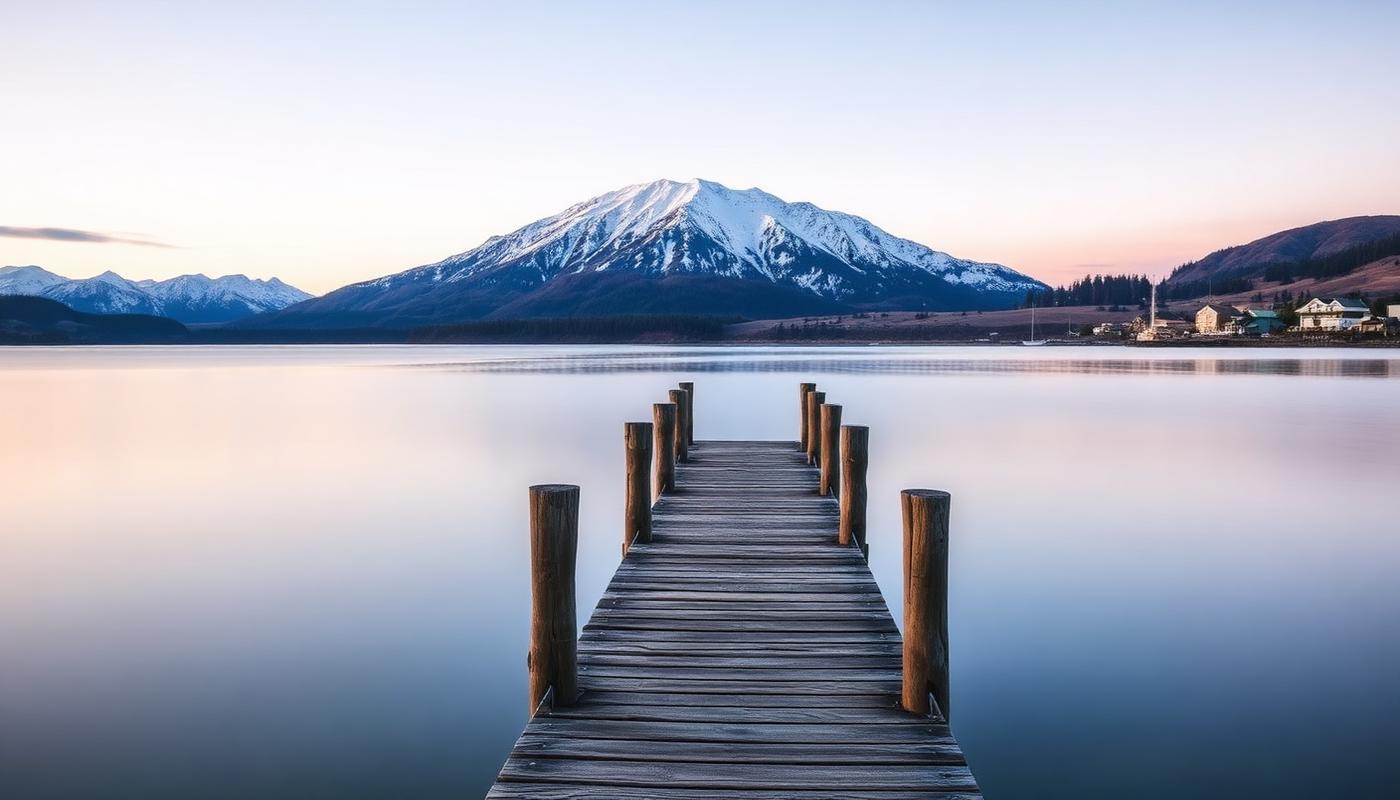
Dinner in Queenstown: the famous burger queue is real and moves faster than it looks. Otherwise the lakefront restaurants run 30 to 45 NZD for a main.
Day two: Glenorchy and the head of the lake
The road from Queenstown to Glenorchy hugs Lake Wakatipu for forty six kilometres with a handful of pullouts that are all worth stopping at. Bennett's Bluff is the one people photograph. The drive takes fifty minutes and about two hours if you behave normally.
At Glenorchy, walk the Glenorchy Lagoon boardwalk, which is a flat thirty to forty five minute loop through wetland with mountains on three sides. Then continue on the gravel road towards Paradise, which is genuinely the name of the place, and the Routeburn and Dart valleys beyond. A two wheel drive car is fine to the Routeburn Shelter in dry conditions, and the first hour of the Routeburn Track from there is one of the best short walks in the country.
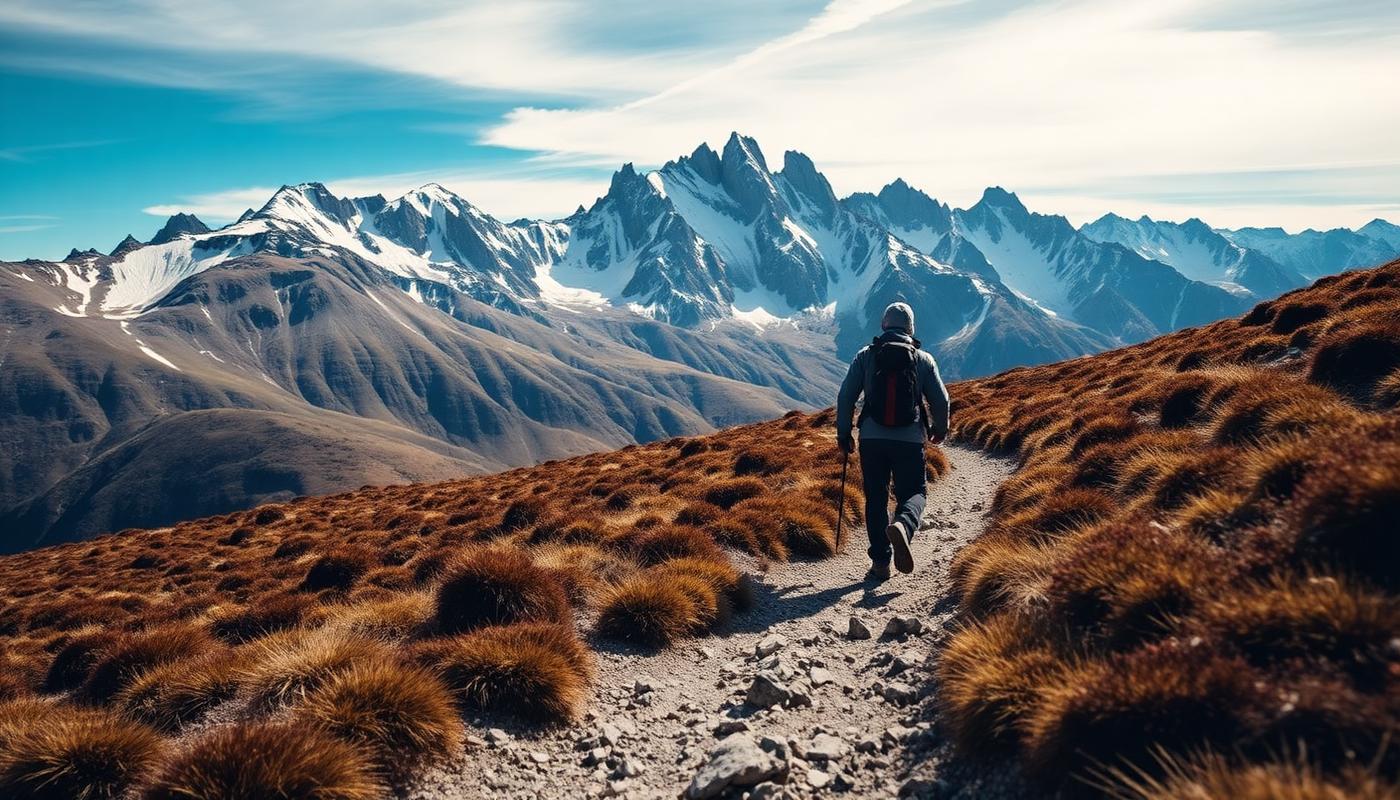
Drive to Te Anau in the late afternoon, roughly two and a quarter hours via Kingston and Mossburn. Te Anau is a small lakeside town that exists mostly to service Fiordland, and that is exactly what you want it for. Buy food for the next morning here, fill the tank, and go to bed early.
Day three: the Milford Road and the fiord
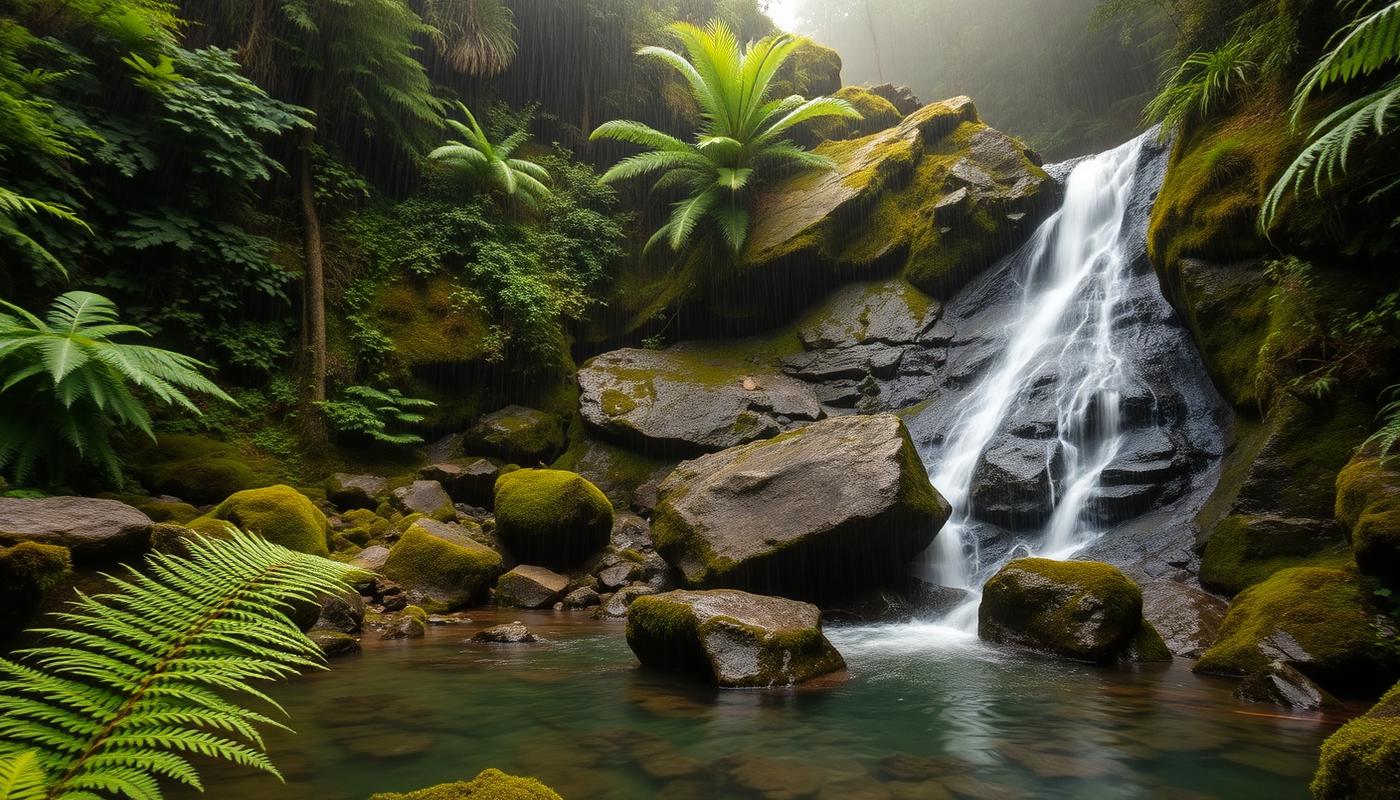
Leave Te Anau at 07:00 for a late morning cruise. The road is the point as much as the destination. In order, the stops worth making are Mirror Lakes, a five minute boardwalk that only works in still conditions; Knobs Flat; the Eglinton Valley flats; Pop's View; and the Chasm, a fifteen minute loop over a river that has drilled holes through solid rock.
The Homer Tunnel is 1.2 kilometres of unlined rock on a steep gradient, single lane with traffic lights in summer, and there can be a fifteen minute wait. Kea, the alpine parrots, hang around the eastern portal and will dismantle rubber trim on parked cars given the opportunity.
Cruises run from the Milford terminal and last one hour forty five to two hours, costing 90 to 150 NZD depending on operator and vessel size. The boat runs the length of the fiord to the Tasman Sea and back, passing Mitre Peak, which rises 1,692 metres almost straight out of the water, and Stirling Falls, where the bow is usually pushed under the spray.
Rain is likely. Fiordland receives something like 7,000 millimetres a year and Milford has around 180 wet days. Waterproof jacket, not umbrella.
Drive back to Queenstown in the afternoon, about four hours, or return to Te Anau if you would rather split it.
Day four: choose your last day
If the weather is clear, walk the Ben Lomond Track from the top of the gondola: five to six hours return, 1,438 metres at the summit, and a genuine alpine climb. If it is not, drive the Gibbston valley wine route, where the pinot noir is very good and several cellar doors sit within a few kilometres of each other on the way back towards Cromwell.
Alternatively, take the TSS Earnslaw, a 1912 coal fired steamship, across the lake to Walter Peak farm for a couple of hours. It is unashamedly a tourist activity and the engine room, which you can walk through while it runs, is worth the ticket on its own.
Budget
- Rental car, small automatic: 60 to 110 NZD a day plus fuel of about 150 NZD for the route.
- Milford cruise: 90 to 150 NZD.
- Accommodation in Queenstown: 180 to 350 NZD a night in season.
- Accommodation in Te Anau: 130 to 220 NZD.
- Meals: 60 to 110 NZD a day per person.
Practical notes
- Sandflies in Fiordland are relentless. Repellent with DEET or picaridin, applied before you get out of the car.
- The UV index in New Zealand is extreme even on cloudy days. Sunscreen is not optional.
- Check the NZTA road status for the Milford Road in winter. Chains can be mandatory from May to November.
- There is no fuel, no shop and almost no phone signal between Te Anau and Milford.
- Book the cruise ahead in December to February. Walk-up spaces do exist in shoulder season.
Season and weather variants
This route works from roughly October through April, but the character of it changes a lot across that window. December to February is peak season: long daylight, the warmest weather, and the busiest cruise terminal and Routeburn trailhead of the year. Shoulder months, October, November, March and April, usually bring smaller crowds and often calmer weather on the Milford Road, though snow can still close the Homer Tunnel briefly even in November. Outside this window the Milford Road frequently requires chains and the alpine walks on day four are not sensible without proper gear, so treat May through September as a different, shorter version of this trip built around Queenstown itself rather than Fiordland.
Transport specifics
If you would rather not drive the Milford Road yourself, several operators run coach and cruise combinations from Queenstown, generally departing around 07:00 and returning by early evening, at a price that usually lands close to what self-driving plus a cruise ticket would cost once fuel and a rental are counted. Ritchies and Real Journeys are two of the longer running operators on this route, though names and schedules do shift, so confirm current options before booking. If you fly rather than drive between Queenstown and Milford, fixed wing scenic flights operated from Queenstown airport cut the day dramatically, at a considerably higher cost, and are weather dependent in a way road travel is not. For the Glenorchy and Routeburn side of day two, a standard rental car is fine in dry conditions, but check current road status if there has been heavy rain, as the gravel section beyond Glenorchy can develop washouts.
Where to stay, and the trade-offs
Queenstown itself is the most convenient base for days one and four, walkable to restaurants and the gondola, but it is also the most expensive accommodation in the South Island during summer, and central hotels book out months ahead over New Year. Staying slightly out at Frankton or Arthur's Point trims the price somewhat for a five to ten minute drive back into town. Te Anau has a much smaller range of accommodation, mostly motels and a few larger hotels, and prices there are steadier through the year since it is a functional base town rather than a resort, though it means fewer dining choices in the evening. Glenorchy has a handful of places to stay if you want to split day two differently and linger there rather than pushing on to Te Anau the same evening, which suits a slower version of this trip well.
Common mistakes
- Doing Milford as a single long day trip from Queenstown out of habit, rather than because time genuinely requires it. The Te Anau overnight adds one night of accommodation and removes hours of fatigue.
- Not fuelling up in Te Anau before the Milford Road. There is no station until you are back, and running low on the Milford Road itself is a real problem, not a minor inconvenience.
- Underestimating sandfly numbers at any of the standing water viewpoints along the Milford Road. Apply repellent before you get out of the car, not after the first bite.
- Booking a mid afternoon Milford cruise on a whim. The mid morning sailings generally have calmer water and better light in the fiord, and they sell out first in summer for that reason.
- Skipping travel insurance that covers weather related cancellation. Cruises do occasionally cancel in severe conditions, and Fiordland's weather can turn with very little warning.
What I would skip
The Kawarau bridge bungee is worth including only if jumping is actually the point for you. As a spectator activity it is a fairly short stop that costs nothing to watch from the viewing platform, so there is no need to build significant time around it unless you or someone in your group is jumping. I would also skip trying to add Milford Sound's overnight cruise option to a route that is already tightly staged around a Te Anau overnight, since the two together usually mean giving up the Glenorchy day entirely, and Glenorchy is the better use of a spare afternoon for most first-time visitors to the region.
Accessibility and mobility notes
Queenstown's lakefront and the Queenstown Gardens loop are flat, sealed paths that work well for wheelchairs and prams, and the Skyline gondola is a step-free cabin ride to the top of Bob's Peak. The Glenorchy Lagoon boardwalk is flat and well maintained for its full length, making it one of the more accessible short walks in the region, though the gravel road beyond it towards Paradise is not suitable for wheelchairs. Milford Sound's terminal building and the boarding area for the cruises are step-free, and most cruise vessels have an accessible lower deck with large windows, which is a reasonable option for visitors who cannot manage the open upper deck stairs. The Chasm walk and Mirror Lakes boardwalk along the Milford Road are both short, flat and manageable for most mobility levels, though neither has formal accessible parking signposted.
Related routes
Tasmania's east coast is the closest cousin to this route: similar landscape logic, similar weather discipline, easier driving. For a route where the transport itself is the attraction, see Oslo to Bergen by train. The Route Station landing page has the two nights per base rule this route follows.
Frequently asked questions
Related articles
Keep reading across the network
Route Station · 13 min read
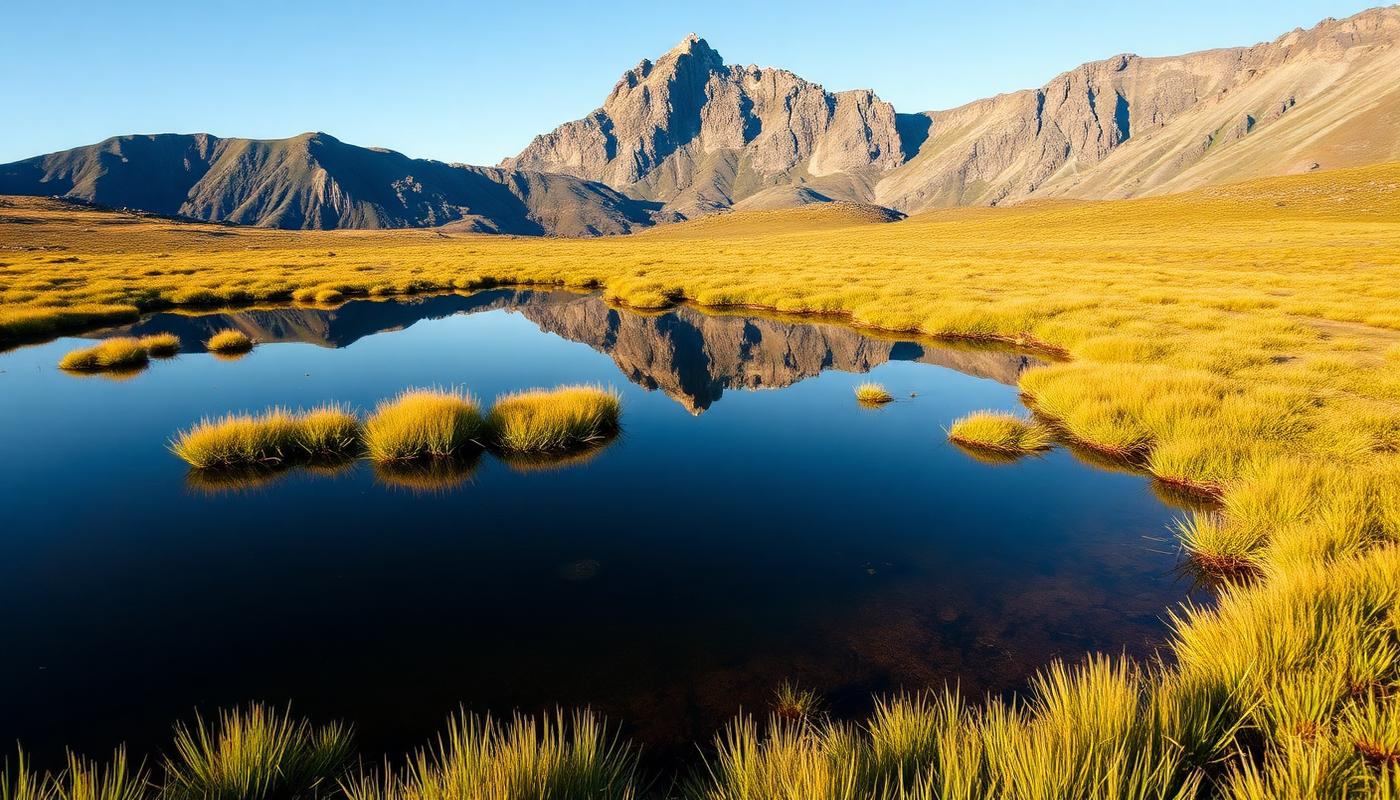
Tasmania in Five Days: Hobart, Freycinet and Cradle Mountain
A five day Tasmania driving itinerary from Hobart through Freycinet to Cradle Mountain, with distances, walk grades, park pass details and costs in AUD.
Route Station · 13 min read
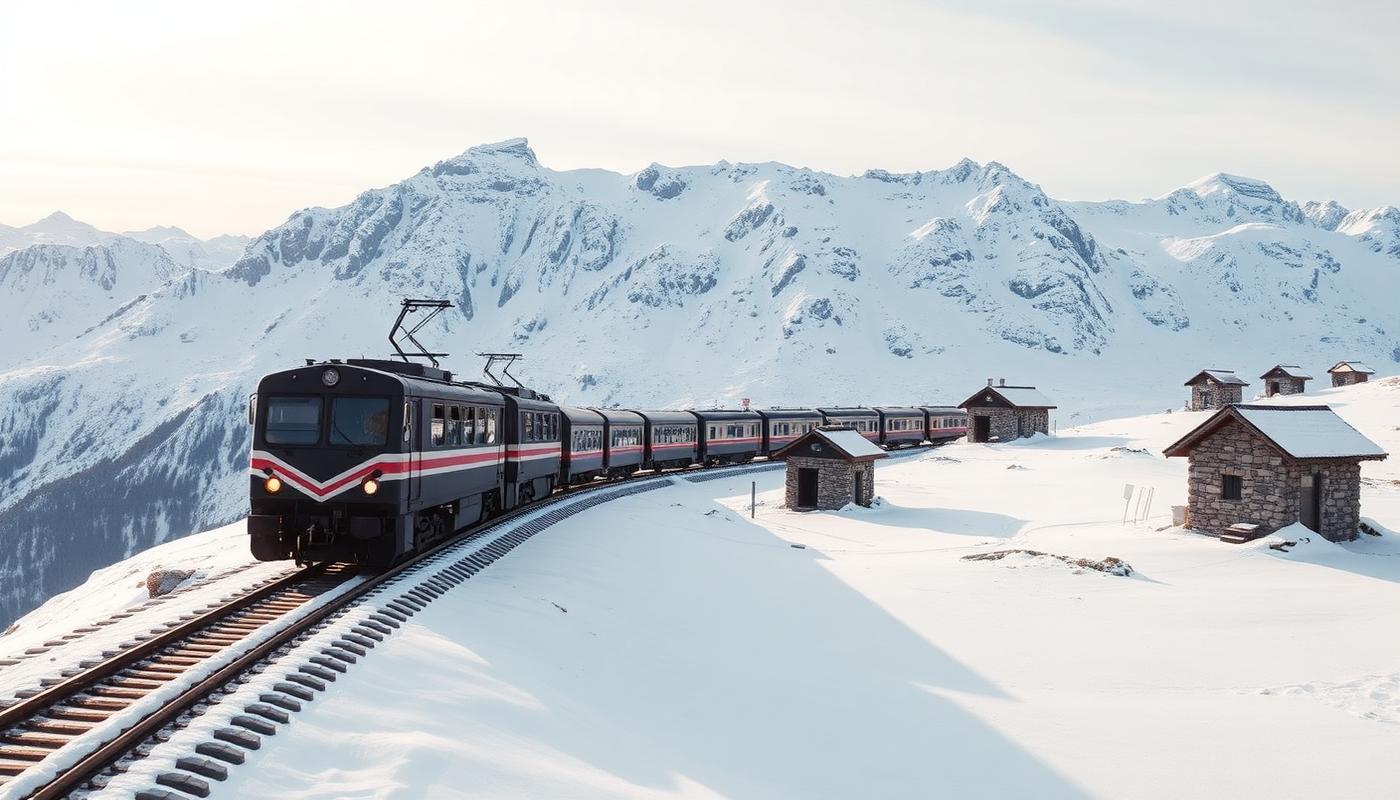
Oslo to Bergen by Train in Four Days
A four day rail itinerary from Oslo to Bergen with the Flam railway and the Naeroyfjord, including seat advice, timings and a realistic Norwegian budget.
Route Station · 14 min read
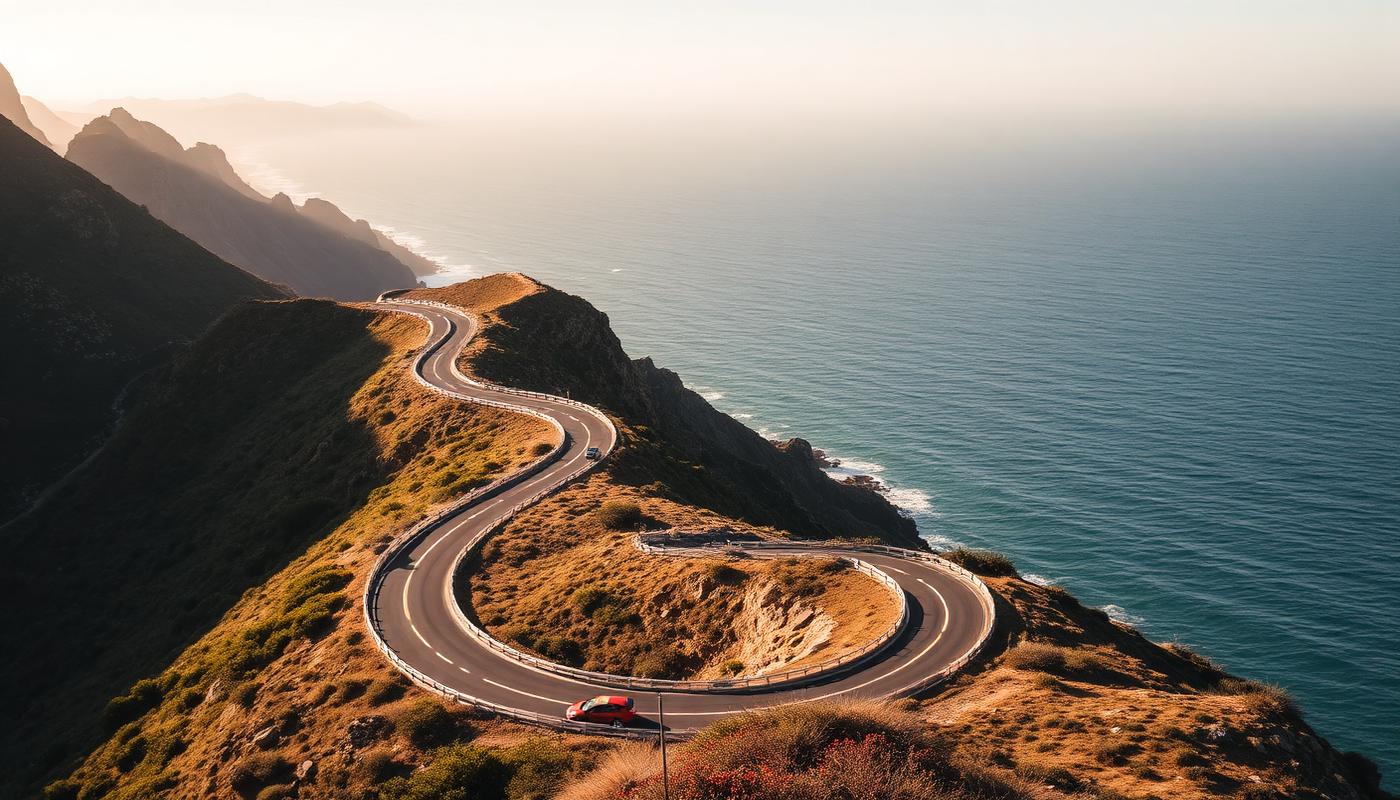
Cape Town in Five Days, Weather Permitting
A five day Cape Town itinerary designed around wind and weather: Table Mountain, the Cape Peninsula, Bo-Kaap, the Winelands and Robben Island.