Ljubljana and Lake Bled in Two Unhurried Days
A two day Slovenia itinerary pairing Ljubljana's old town with Lake Bled and Vintgar Gorge, including bus times, walking distances and costs.
12 min read · Updated May 2025
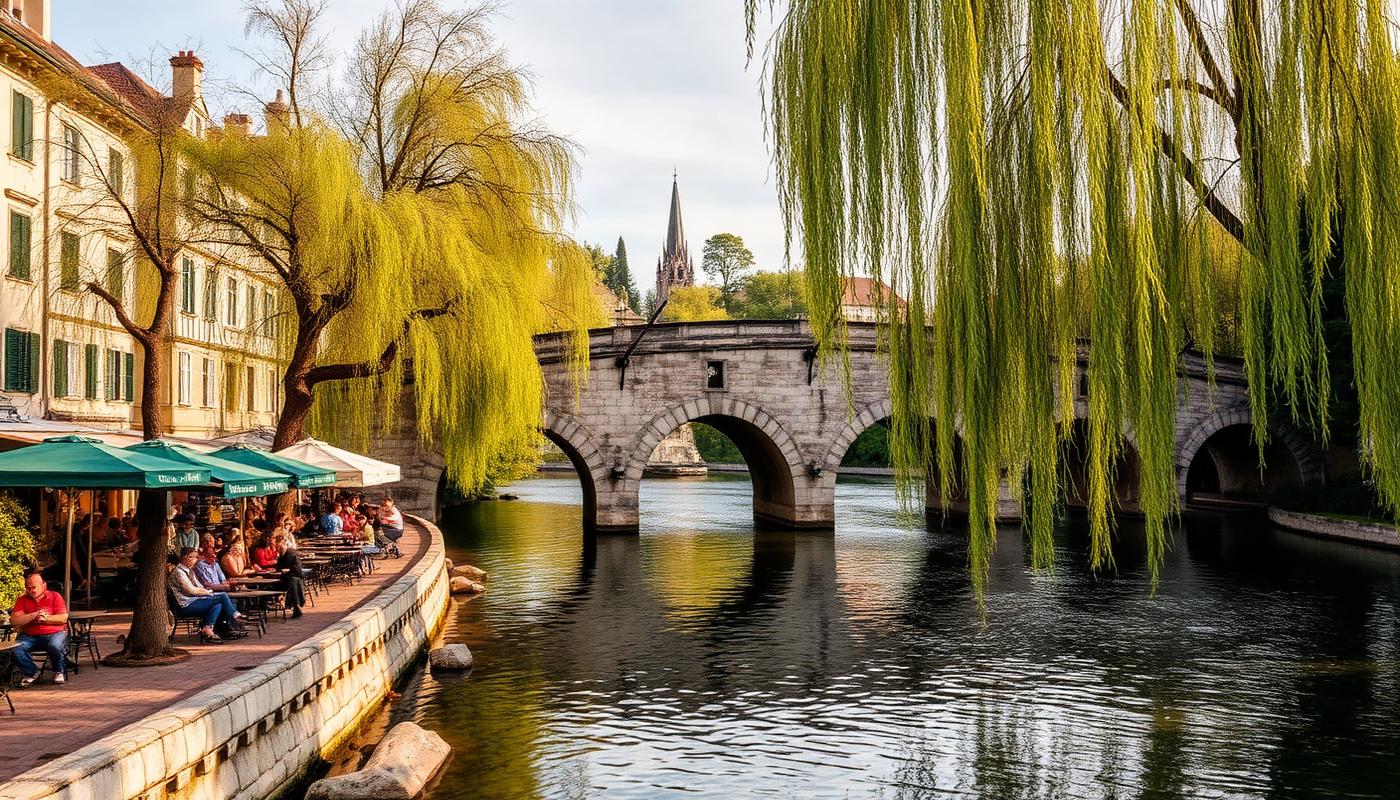
Slovenia is small enough that a two day trip does not feel like a compromise. Ljubljana is a capital you can cross on foot in twenty five minutes, and Lake Bled is 55 kilometres away on a bus that runs all day. Put those two facts together and you get a genuinely satisfying short trip that does not involve renting a car, driving on unfamiliar mountain roads, or paying for parking beside a lake.
The plan below is one day in the city and one day at the lake, in that order. Doing the lake second matters, because if the weather turns you can swap the days without wrecking anything.
Who it is for
Anyone with a long weekend and a preference for green over grand. It is a good first trip to the Alps for people who do not consider themselves mountain people, because the walking is gentle and the infrastructure is easy. Families do well here too. The lake path is flat, prams work on it, and there is ice cream at both ends.
Transport and logistics
Ljubljana airport, Joze Pucnik, is 25 kilometres north of the city. The public bus takes about 50 minutes for around 4 EUR and runs less often at weekends, which catches people out. A shared shuttle costs 9 to 15 EUR and a taxi around 40 EUR. If you land after 20:00, arrange the shuttle in advance.
For Bled, the bus leaves from Ljubljana's central bus station next to the train station. Buy the ticket at the counter or on board, expect 7 to 8 EUR each way, and allow 75 to 90 minutes. The train also runs but drops you at Bled Jezero or Lesce-Bled, both of which need a further connection, so the bus is simply better here.
- Airport bus to city: about 50 minutes, roughly hourly on weekdays.
- Ljubljana to Bled by bus: 75 to 90 minutes, roughly hourly.
- Bled bus station to Vintgar Gorge: seasonal shuttle, about 15 minutes.
- Walking loop around Lake Bled: 6 kilometres, flat, about 90 minutes.
Day one: Ljubljana on foot
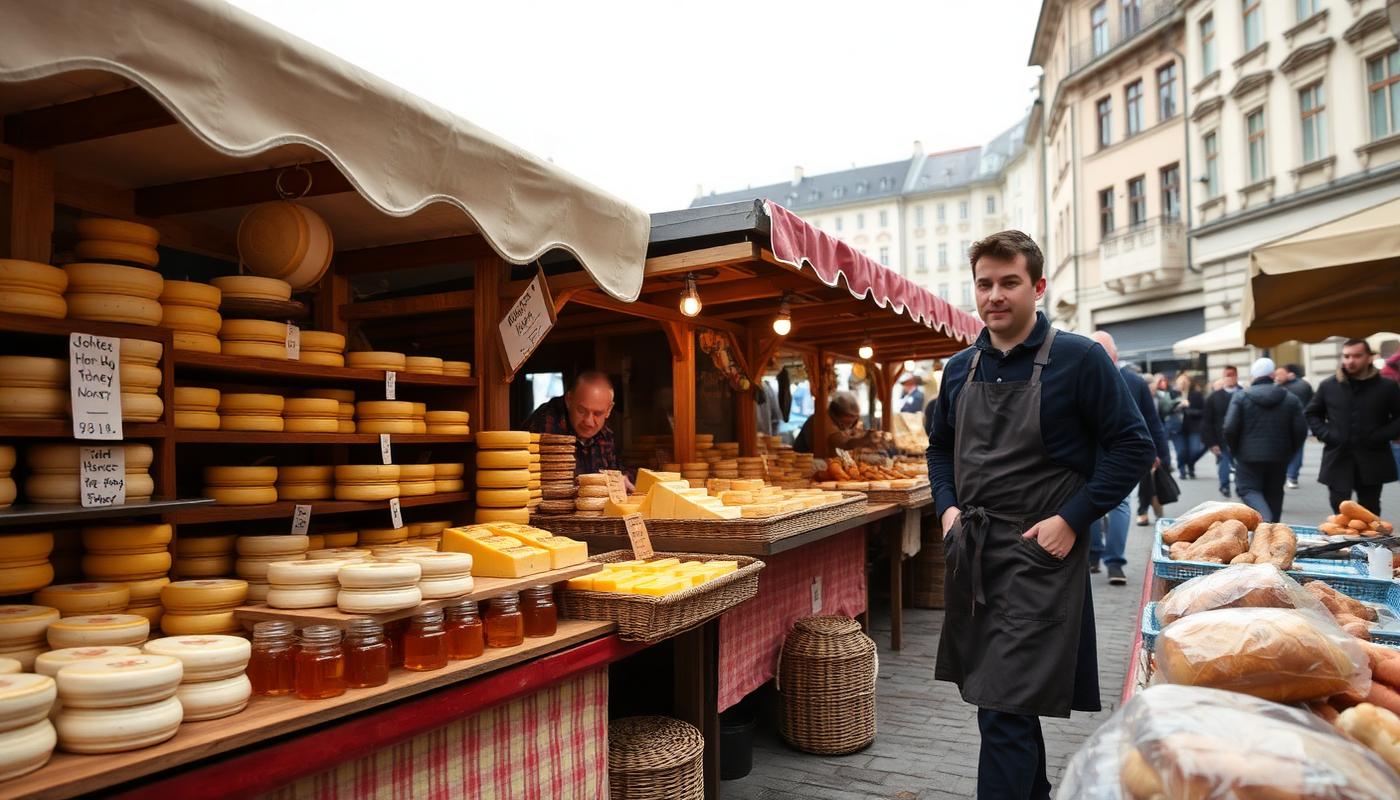
Start at the Central Market at 08:30. It runs along the Plecnik colonnade beside the river and is at its best on a Saturday, when the covered fish hall and the open stalls are both fully stocked. Buy fruit for later and resist the urge to buy honey until the end of the trip, because you will see it everywhere and the airport version is the worst deal.
Cross the Triple Bridge into Preseren Square. The square is the city's living room and the pink Franciscan church behind it is the landmark everyone uses to meet. From there, walk south along either bank. The Ljubljanica is lined with cafes on both sides and the whole stretch between the Cobblers' Bridge and the Dragon Bridge is pedestrianised, which is why the city feels so much calmer than its size suggests.
Mid morning, go up to the castle. The funicular costs about 4 EUR each way and takes sixty seconds, or you can walk up in fifteen minutes on a shaded path from Studentovska ulica. The castle itself is a mixed bag of exhibitions, but the viewing tower is worth the climb for the alignment of red roofs against the Kamnik Alps on the horizon.
Lunch in the old town, then spend the afternoon in Metelkova or Tivoli Park depending on your mood. Metelkova is a former army barracks turned into an autonomous art and music complex, covered in mosaics and sculpture made from scrap, and it feels nothing like the rest of the city. Tivoli is the opposite: a large formal park with a photography gallery on the main promenade and a lot of dog walkers.
For dinner, look at the streets around Trubarjeva cesta rather than directly on the river. Expect 12 to 18 EUR for a main course, more if you order the Adriatic fish, which is genuinely good here given how far the coast is.
Day two: Bled and the gorge
Take the 08:00 or 08:30 bus. You want to be at the lake before 10:00, both for the light and because the island boats and the castle both get busy by late morning.
Do the lake loop first, anticlockwise from the bus station. It is six kilometres, entirely flat, and takes about ninety minutes without stops. Around two thirds of the way round, at the southwest corner, the path runs right at the water level and the island church lines up with the castle on the cliff behind. That is the view.
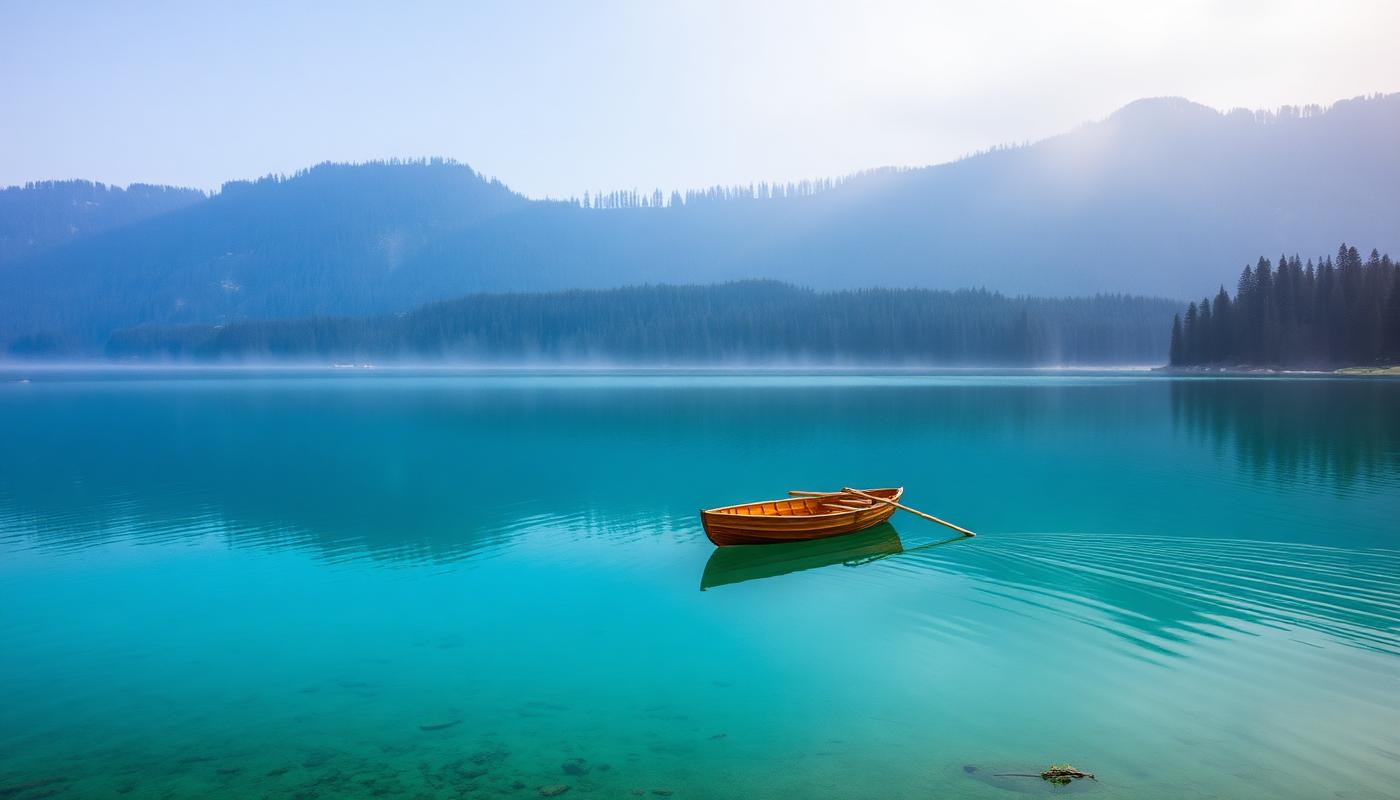
The island itself is reached by pletna, a flat-bottomed wooden boat rowed standing up by a boatman whose family has probably held the licence for generations. Return costs around 18 EUR per person, the crossing takes fifteen minutes, and you get thirty minutes on the island. There are 99 steps up to the church and a bell inside that visitors ring for a wish, which is either charming or relentless depending on how long you stay.
Bled Castle sits 130 metres above the lake and costs about 15 EUR. The climb from the lakeside takes twenty minutes on a steep path. The museum is small, the view is excellent, and the terrace cafe charges accordingly.
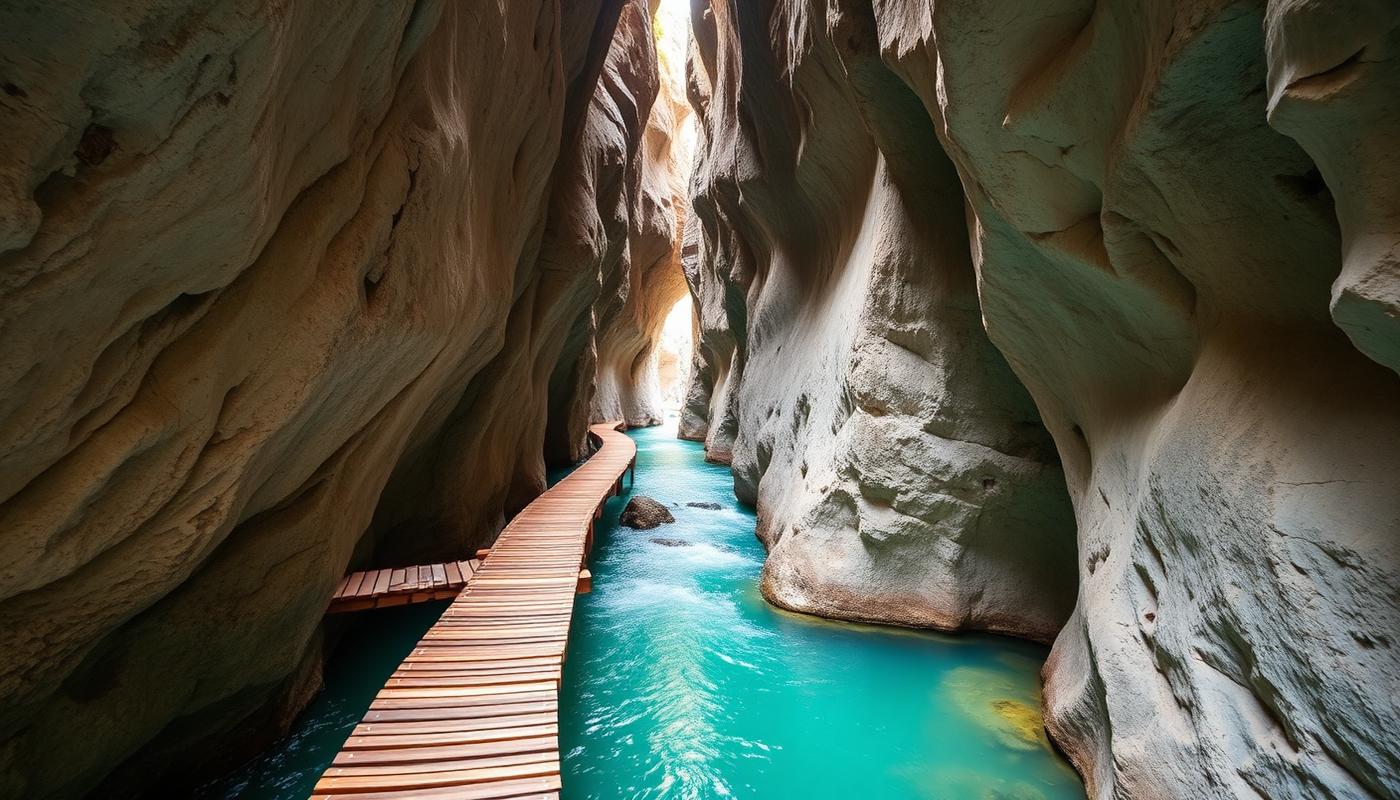
If you would rather have nature than a castle, take the shuttle to Vintgar Gorge instead. The Radovna river runs through a narrow cleft and the walkway is bolted onto the rock face for 1.6 kilometres, ending at a waterfall. Entry is around 10 to 12 EUR with a timed slot in summer. It is one way only, so either take the shuttle back or walk the forest path over the hill, which adds about an hour.
Before the bus back, eat a slice of kremsnita, the custard and cream cake that Bled is oddly famous for. It is served everywhere along the lake, costs about 5 EUR, and is much lighter than it looks.
If you have a third day
Bohinj is the lake that Bled's visitors do not reach: larger, wilder, ringed by mountains, and about forty minutes further by bus. The Savica waterfall trail and the Vogel cable car both start there. Alternatively, the Postojna cave and Predjama castle combination works as a day trip south, though it is more of a coach tour experience than the rest of this itinerary.
Budget
- Ljubljana day, all in with two meals and the funicular: 45 to 65 EUR.
- Bled day with bus, pletna boat and lunch: 55 to 75 EUR.
- Add the castle or the gorge: 10 to 15 EUR.
- Mid-range double room in Ljubljana: 90 to 140 EUR a night.
A two day trip therefore sits somewhere around 200 to 280 EUR per person including a couple of nights, which for an Alpine destination is unusually reasonable.
Practical notes
- Slovenia uses the euro, and card acceptance is close to universal.
- Tap water is excellent everywhere, including at the lake. Carry a bottle.
- The gorge closes in winter, usually from late November to April, for safety reasons.
- Ljubljana's centre is closed to cars, so do not book a hotel expecting to park outside it.
- Buses to Bled fill on summer weekends. Buy the return leg when you arrive, not at 18:00.
Wet weather notes
Ljubljana handles rain fine, since the old town is compact and full of covered arcades and cafes to duck into, but a wet day at the lake is a genuinely different experience. The pletna boats still run in light rain, but the castle climb becomes a slippery path and Vintgar Gorge sometimes closes the walkway entirely in heavy weather for safety reasons, so check before you go. If the forecast for your Bled day looks bad, swap the two days around and spend the wet one in Ljubljana instead, where the National Museum, the covered central market hall, and the many cafes along the Ljubljanica give you a full day of indoor options.
Common mistakes visitors make here
- Trying to do Bled as a rushed half day. The bus alone is close to three hours round trip, so anything less than a full day feels wasted.
- Assuming the train is quicker than the bus to Bled. It is not, because both stations it serves are a walk or a taxi from the actual lake.
- Skipping the walk around the far side of the lake, away from the castle view, which is quieter and has some of the better photo spots precisely because most visitors do not bother.
- Booking Vintgar Gorge tickets on the day in July or August and finding the timed slots gone.
Getting in and out
Ljubljana's Joze Pucnik Airport is small and easy, and beyond the public bus and shuttle options above, note that there is no train link from the airport itself. If you are arriving from elsewhere in Europe by rail, Ljubljana's train station sits right next to the bus station in the city centre, a five minute walk from Preseren Square, which makes onward travel to Bled or back out of the country simple regardless of how you arrived.
With less time or with young children
If you only have one day total, do Bled rather than Ljubljana. It is the more memorable half of this trip for most visitors, and the lake loop plus a pletna crossing fits into about five hours including travel. With young children, skip the castle climb, which is steep and has no shade, and stick to the flat lakeside path, the playground near the bus station, and the boat crossing, which most kids find genuinely exciting. In Ljubljana itself, Tivoli Park has enough open space and a small play area to give children a break from old town cobbles, and the funicular up to the castle is an easy win since it does the climbing for you.
What this costs, roughly
- Airport bus into Ljubljana: about 4 EUR.
- Bus, Ljubljana to Bled, each way: 7 to 8 EUR.
- Castle funicular in Ljubljana, each way: about 4 EUR.
- Pletna boat to Bled island, return: about 18 EUR.
- Bled Castle entry: about 15 EUR.
- Vintgar Gorge entry: 10 to 12 EUR.
- Mid-range main course in central Ljubljana: 12 to 18 EUR.
What I would skip
The Ljubljana Zoo, up on Rozniks Hill, is fine but unremarkable compared with the free, better use of the same afternoon walking Tivoli Park or Metelkova, and it eats into time you will want at Bled. I would also think twice about the funicular queue at Bled Castle in peak midsummer afternoons, since the walk up from the lakeside on the marked path is only about twenty minutes and is often faster than waiting for a shuttle during the busiest hours. And unless you are a serious hiker, I would skip trying to add Bohinj to a two day trip rather than a three day one. It deserves its own unhurried day rather than being squeezed onto the end of an already full itinerary.
Accessibility notes
Ljubljana's old town is largely flat and pedestrianised, which makes it one of the more manageable European capitals for visitors using wheelchairs or with limited mobility, though some of the older buildings and the castle itself have uneven internal floors. The funicular up to the castle is step-free at both ends and is the practical alternative to the path for anyone who cannot manage the climb. At Bled, the lakeside path is flat, paved and about six kilometres, and prams and wheelchairs manage it without difficulty, but the pletna boats require a step down into a rocking wooden hull, and the 99 steps up to the island church have no alternative route, so the island itself is not realistically accessible to wheelchair users. Vintgar Gorge's boardwalk has sections of uneven boards and occasional narrow passing points, and is not considered wheelchair accessible.
Where to go from here
If this pace suits you, Quebec City in winter uses the same compact old-town-plus-day-trip structure in a colder climate, and the Porto weekend is its southern European equivalent. The Route Station landing page covers the two-nights-per-base rule that keeps trips like this from turning into logistics.
Frequently asked questions
Related articles
Keep reading across the network
Route Station · 12 min read
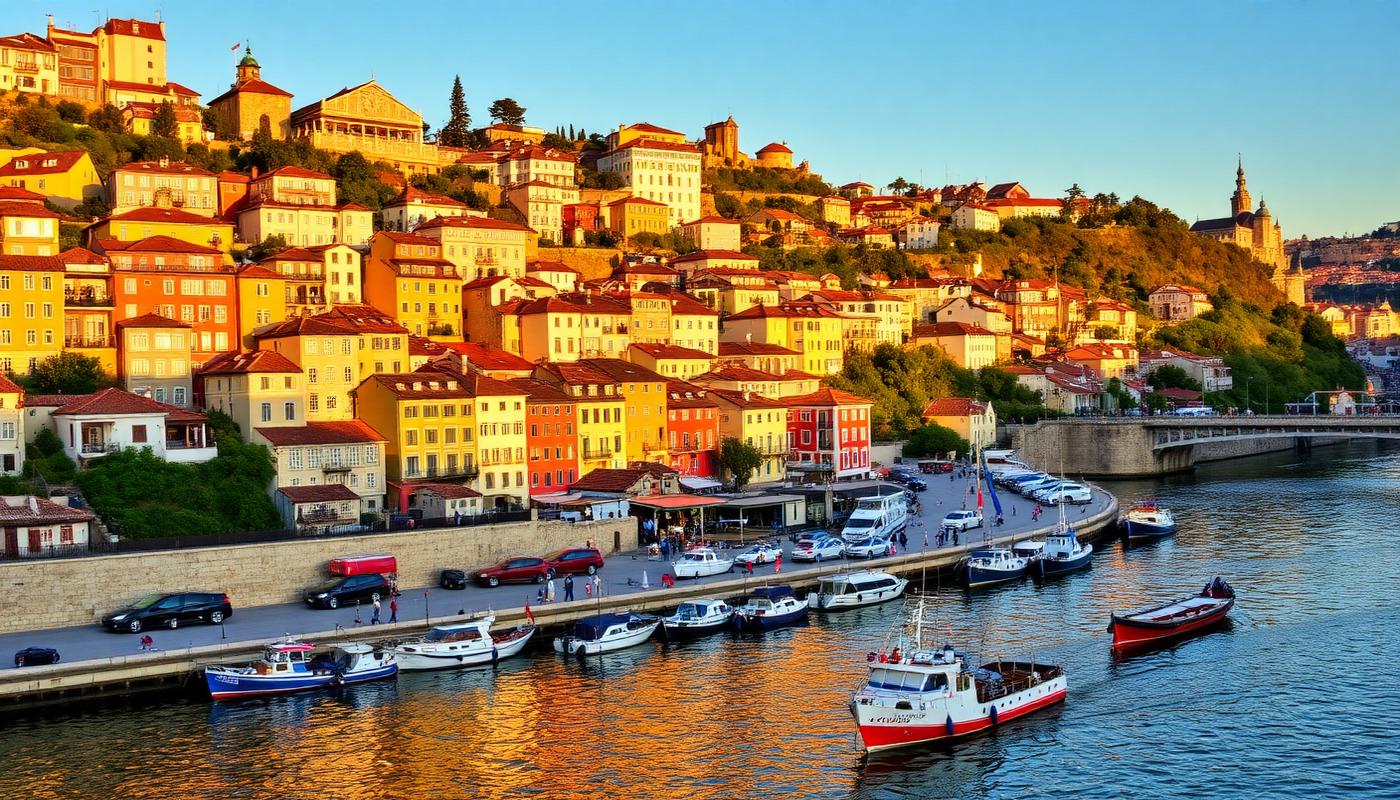
A Porto Weekend Built for Real Legs
A two and a half day Porto itinerary that respects the hills: Ribeira, Gaia cellars, Bolhao market and Foz, with timings, tram notes and a full budget.
Route Station · 12 min read
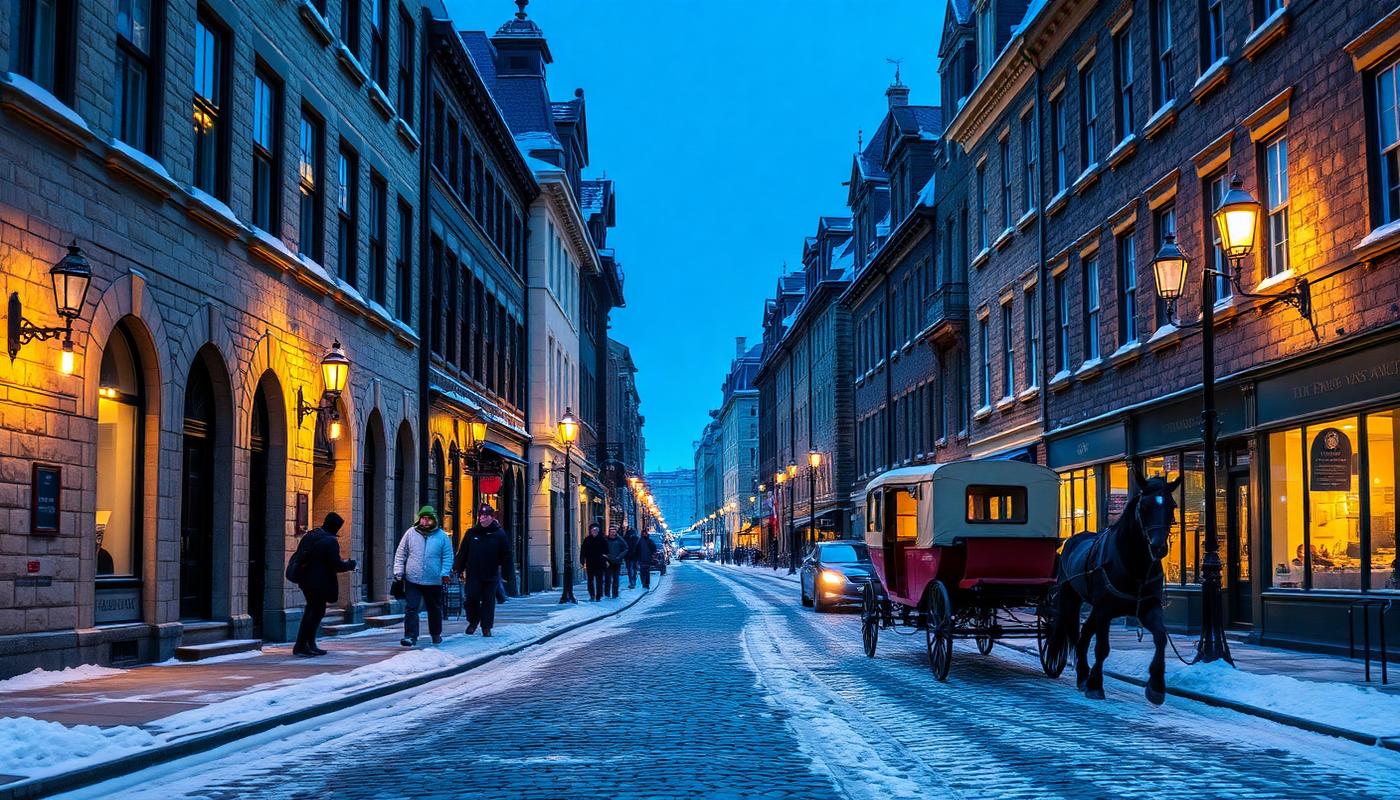
A Quebec City Winter Weekend That Works at Minus Fifteen
A three day winter itinerary for Quebec City built around short outdoor stretches, warm interiors, Montmorency Falls and Ile d'Orleans, with costs.
Route Station · 9 min read
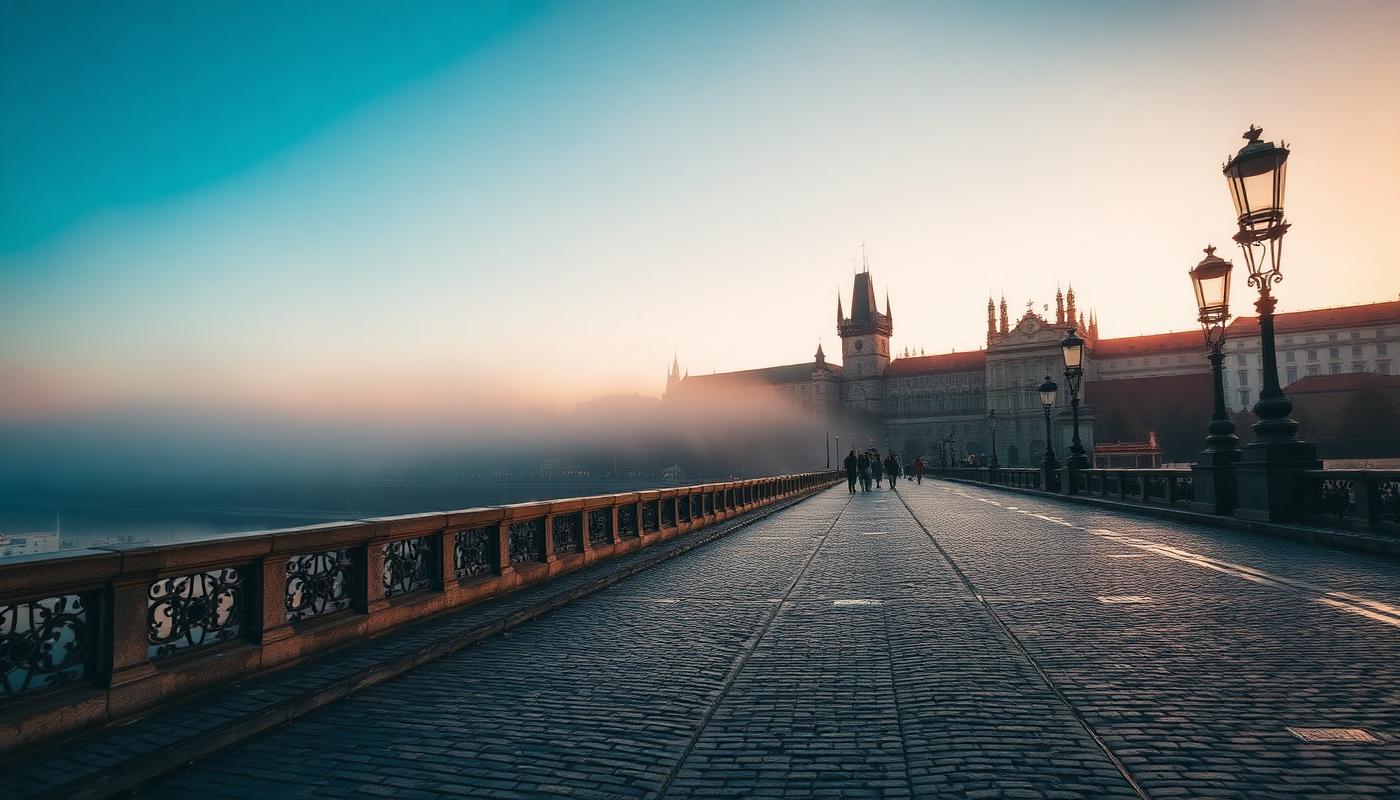
Prague in One Well-Paced Day
A realistic one day Prague itinerary built around walking distance, opening hours and a couple of long sit-down breaks.