
How to Change Your Flight Date
A step by step process for moving a flight to a different date, what fare difference means, and when a change is worse than a new ticket.
10 min read · Updated May 2025

Changing a flight date is not one action, it is a small sequence of decisions. Most of the money people lose here is lost in the first two minutes, by clicking the wrong button before checking what the alternative would have cost.
Work through this in order and the change becomes boring, which is exactly what you want.
Step 1: Find out what kind of ticket you are holding
Every ticket has fare rules attached. They determine whether a change is free, cheap, expensive or impossible. Look in the confirmation email for wording like "changeable with fee", "non-refundable", or a fare brand name such as Basic, Light, Standard or Flex.
- Flexible fares allow date changes with no fee, and often only the fare difference applies.
- Standard fares usually allow changes with a fixed fee plus fare difference.
- Basic or Light fares frequently forbid changes entirely. In that case you are choosing between losing the ticket and buying a new one.
Step 2: Decide the new date before you open the booking
This sounds obvious and almost nobody does it. Search availability first as if you were a new customer, see which dates are cheap, and only then go into your reservation. Otherwise you end up accepting the first option the change tool offers.
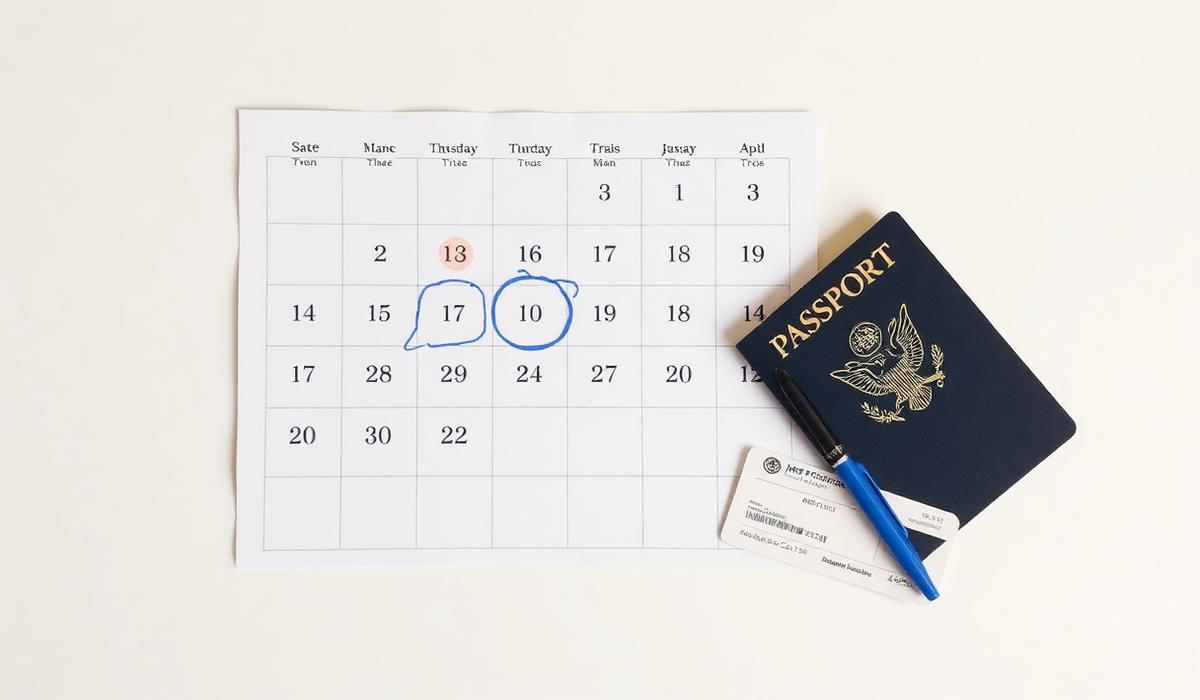
Step 3: Price the change and the fresh ticket side by side
Open two tabs. In the first, run the change flow up to the payment screen without confirming. In the second, price a brand new one way or round trip on your target dates.
Compare the total, not the fee. A zero fee change with a 240 USD fare difference is worse than a 180 USD new ticket, and airlines do not point that out.
Step 4: Use the channel that matches the complexity
- App or website: best for a simple date move on a single airline booking. Fastest, no queue, and the price is shown before you commit.
- Phone: better for multi city itineraries, codeshares, or when the online tool throws an error. Some airlines charge a phone service fee, so ask first.
- Airport counter: only for same day changes or when you are already there.
- Travel agency or OTA: if you booked through one, you often must change through them. The airline may refuse to touch the booking at all.

Step 5: Confirm the details before paying
Before you press the final button, verify five things: the new date, the new departure time, the airports including terminal changes, the total charged, and whether your seat, bag and meal selections carried over. Extras are the most common casualty of a change.
Step 6: Keep the new confirmation separately
Save the new PDF, take a screenshot, and check that the booking reference still matches. Occasionally a change issues a new ticket number under the same reference, and that difference matters if something goes wrong later.
Travel credits, vouchers and future flight value
If you cancel rather than change, most non-refundable tickets convert into a credit. A few things to hold on to:
- The credit is usually tied to the original passenger name and cannot be transferred.
- Expiry is counted from the original booking date, not the cancellation date.
- Some airlines require the new travel to be completed by the expiry, not just booked.
- Credits rarely cover taxes and fees the same way cash does. Read the redemption terms.
Same day changes
Many airlines sell a cheap same day change or standby option if you want an earlier flight on your departure date. It is often a flat fee, much lower than a normal change, and it is one of the better deals in aviation. Ask specifically for "same day change" rather than a general date change.
Name corrections are not date changes
A misspelled name is handled by a different desk and a different rule set. Minor corrections of two or three characters are usually free within 24 to 48 hours of booking. A full name replacement is treated as a transfer and is normally not allowed.
When not to change
If the fare difference exceeds the value of the ticket, if the fare is non-changeable, or if the new itinerary adds a tight connection you would not have booked on purpose, stop. Sometimes the correct move is to keep the original flight and change the plan around it instead.
The fare class ladder, and what each rung actually buys
Underneath the marketing names, most airlines sell the same seat at several fare levels, each attached to a booking class code that determines what you can do with it later. It is worth understanding the shape of the ladder even if you never see the letter codes directly.
- Basic or Light fares sit at the bottom. They are usually non-changeable, sometimes even for a fee, and often carry no seat selection or checked bag either. Treat these as disposable tickets.
- Standard or Main fares typically allow a change for a fixed fee plus any fare difference. This is the middle of the ladder and where most leisure tickets sit.
- Flexible or Plus fares waive the change fee outright, leaving only the fare difference, and sometimes offer same day changes for free.
- Fully flexible or premium cash fares at the top of the ladder often allow free changes and occasionally even a difference credit if you move to a cheaper date.
Many airlines have removed change fees entirely on domestic tickets in some markets over the past few years, but the fare difference almost never disappears, so read the actual fare rules attached to your ticket rather than assuming a general "no change fee" headline applies to your specific fare.
The 24 hour rule, and where it applies
In the United States, federal rule requires airlines to allow a full refund or a free change within 24 hours of booking, provided the booking was made at least seven days before departure. This applies regardless of fare type, including Basic Economy, which is one of the few moments a Basic fare becomes genuinely flexible. It is a US requirement, not a global one, so do not assume the same window exists on a booking made with a non-US carrier or from outside the US, though a number of airlines worldwide now offer something similar as a voluntary policy. Confirm the specific terms before relying on it.
Change fee versus fare difference: a worked example
Say you paid 320 USD for a Standard fare round trip. The airline's change fee for that fare is 75 USD. You want to move the return leg out by four days. The cheapest available seat in your fare class on the new date is priced at 410 USD for the same round trip, a fare difference of 90 USD over what you originally paid.
The total to change is roughly 75 plus 90, or 165 USD. Before confirming, you check a fresh one way ticket on the new date and it prices at 140 USD. In that scenario, cancelling the return outright, eating whatever residual value it has as a credit, and buying the new one way is the cheaper path, even though "changing the flight" sounds like the more sensible action. The math only works out this way sometimes, which is exactly why it is worth doing every time rather than assuming.
Same day confirmed versus standby
A same day confirmed change moves you onto a specific earlier or later flight on your existing travel date for a small fixed fee, and gives you an assigned seat before you board. Standby is different and free on most airlines: you list for a flight you are not booked on and only board if a seat is empty at departure, with no guarantee. If you have a real need to arrive earlier, ask specifically for same day confirmed rather than standby, since agents sometimes default to offering the free but uncertain option first.
Changing award tickets
Tickets booked with airline miles or points usually follow a separate change process from cash tickets, often through a dedicated award desk rather than the normal change flow online. Many programmes charge a flat redeposit or change fee in cash or points, separate from any fare difference in miles if the new date needs more miles than the original booking. A few programmes, generally the more premium ones, waive this fee for elite members or during promotional periods. Because award inventory is limited rather than continuously priced, moving an award ticket can also mean there simply is no seat available in your original class on the new date, in which case you may need to pay a higher mileage rate or wait.
Bookings made through a travel agency or OTA
If you booked through a third party website or a traditional travel agent rather than directly with the airline, the airline will frequently decline to touch the booking at all and will redirect you back to whoever sold it to you. This can add a real delay, particularly outside the agency's business hours, and some online agencies charge their own service fee on top of whatever the airline charges. Booking directly with the airline when your plans are even slightly uncertain generally keeps this simpler, though it can cost a little more upfront.
Schedule changes are not the same as your change
When an airline itself shifts a flight time, even by twenty minutes, that is a schedule change, and it usually comes with its own more generous entitlements: a free rebooking onto a comparable flight, or in many cases a full refund if the new time no longer works for you, even on a fare that would normally be non-changeable. Do not confuse this with a voluntary change you are requesting. If your booking shows an airline-initiated schedule change, look for that specific option before assuming you have to pay a fee to move.
Three worked scenarios
A traveller on a United Standard fare from ORD to LAX wanted to move a return flight forward by two days for a family event. The change fee had been waived on that domestic fare, but the fare difference on the new date was 130 USD more than originally paid. Checking a fresh one way on the app in a second tab showed 104 USD, so the traveller cancelled the return for credit and bought the cheaper one way instead, saving roughly 26 USD and, more importantly, avoiding a redeye that the change tool had defaulted to.
A traveller on a Ryanair booking out of Stansted needed to move a departure by three days ahead of a school holiday price spike. Ryanair's own change flow, done more than a week ahead, priced meaningfully lower than doing it within 48 hours of departure, since low cost carriers often price date changes closer to the live fare on the new date rather than a flat fee. Moving early, as soon as the new date was known, was the entire saving here.
A traveller flying a British Airways codeshare marketed by American Airlines from LHR to JFK tried to change the date through American's website and was told the booking could only be modified by British Airways, since BA was the operating and ticketing carrier. The change itself was straightforward once made through the correct airline, but it cost roughly twenty minutes of confusion finding out which airline actually held the ticket.
Comparing your change options at a glance
| Scenario | What usually happens | What to check first |
|---|---|---|
| Standard fare, moving a few days | Fixed fee plus fare difference, sometimes fee-waived on domestic tickets | Whether a brand new one way ticket beats the total change cost |
| Booked within the last 24 hours, US carrier | Free change or full refund under the federal 24 hour rule | That the original booking was made at least seven days before departure |
| Codeshare or interline ticket | Only the operating or ticketing carrier can usually process the change | Which airline's flight number is on your actual ticket, not just the confirmation email logo |
| Booked through an OTA or agency | Airline typically redirects you back to the seller | The agency's own change fee, which stacks on top of the airline's |
Common mistakes people make when changing a date
- Confirming the first date the change tool suggests instead of searching availability independently first.
- Forgetting that seat, bag and meal add-ons do not always carry over automatically to the new flight.
- Trying to change a codeshare ticket through the marketing airline when only the operating carrier can touch it.
- Missing the US 24 hour window by a few hours because the booking was made late at night and the clock started sooner than expected.
- Assuming a "no change fee" headline applies to every fare on that airline, when it is often only certain fare classes.
Exact wording to use with an agent
On the phone or at a desk: "I'd like to move my flight from [date] to [date] on booking reference [code]. Can you confirm the fare difference before you process anything, and let me know if my seat and bag selections carry over." If you suspect a schedule change rather than a voluntary one: "Has there been an airline-initiated schedule change on this booking? I want to check whether I qualify for a free rebooking rather than a paid change." That second question alone has saved travellers a change fee more than once, since airlines do not always flag a schedule change clearly on their own app.
Edge cases: codeshares, separate tickets and terminal changes
A codeshare ticket, such as a Lufthansa-marketed flight actually operated by United, is generally changed through whichever airline issued the ticket number, not necessarily the name on the confirmation email. Check the ticket number prefix or ask directly which airline holds the booking before you spend time in the wrong queue. Separate tickets are simpler in one sense and harder in another: each ticket is changed entirely independently, with its own fare rules and its own fee, so changing your outbound flight has no effect on a separately booked return or connecting ticket at all. And if your new itinerary after a change introduces a terminal change it did not have before, for example a rebooked connection that now routes through a different terminal at Dubai or Atlanta, check the new minimum connection time rather than assuming your original buffer still applies, since a change that looks fine on paper can quietly create a tight connection it did not have before.
A short decision list
- Read the fare rules on your actual ticket, not the airline's general fare page.
- Check whether the 24 hour rule still applies if you only just booked.
- Price the change and a brand new ticket side by side before confirming anything.
- For award tickets, check availability on the new date before starting the change.
- If you booked through an OTA, go back to them first rather than the airline.
- Look for an airline-initiated schedule change option before assuming a fee applies.
Frequently asked questions
Related articles
Keep reading across the network
Fix Station · 12 min read
What To Do When Your Flight Is Cancelled
The first ten minutes matter most. A practical order of actions for rebooking, refunds, hotels and compensation after a cancellation.
Rules Station · 11 min read
Carry-on Rules Explained
Cabin bag sizes, liquid limits, electronics, restricted items and the gate checks that catch travellers out.