
Airport Change Explained
What to do when an airline reroutes you to a different airport in the same city, from LGW instead of LHR to Haneda instead of Narita, including ground transport comparisons.
12 min read · Updated March 2025

The problem: your flight lands somewhere else
Being rerouted to a different airport serving the same city is a specific kind of travel disruption that catches people off guard because it does not feel like a delay or a cancellation in the usual sense. Your flight operates, you land, and only then do you realize you are not where you expected, or you are told in advance that your flight has been moved from one city airport to another. It happens for a handful of reasons: a weather closure at the primary airport, a runway or air traffic control issue that forces a diversion, or occasionally an airline shifting a route between airports as part of a schedule change announced weeks ahead, which is different from a same-day disruption but creates a similar problem if you booked ground transport around the original airport.
Some city pairs make this a bigger deal than others. London has Heathrow, Gatwick, Stansted, Luton and City, spread widely around the metropolitan area with very different rail links and travel times into central London. New York has JFK, LaGuardia and Newark, three airports in two different states with no direct rail connection between them. Tokyo has Narita, well outside the city, and Haneda, much closer in and generally faster to reach. Milan has Malpensa, a long way out, and Linate, close to the city center, plus Bergamo further out again for budget carriers. In every one of these cases, a reroute from one airport to another is not a minor inconvenience, it can add well over an hour to your journey and completely change which train, bus or taxi makes sense.

The first thing to check: your onward plans
If you have a hotel booking, a rental car reservation, or a pre-booked airport transfer tied to the original airport, the reroute affects more than just your flight. Before joining any queue at the new airport, check whether your hotel or car rental company needs to be notified of a later arrival, since some rental desks release a reserved car after a set grace period if you do not show up or call ahead. If you are meeting someone, send them the new arrival airport and time immediately, since travel time from Stansted into central London, for example, is meaningfully longer than from Heathrow or City, and someone planning to meet you may otherwise wait at the wrong terminal or even the wrong airport entirely.
Solution one: ask the airline for arranged transport
When an airline causes a reroute to a different airport, whether through a diversion or an unannounced operational change, it is reasonable to ask directly at the arrivals desk or gate whether the airline will arrange or reimburse ground transport to your original destination or a mutually convenient point. Some airlines run a coach or shuttle specifically for these situations when a diversion affects a full flight's worth of passengers, since it is more efficient for them to charter one bus than to process dozens of individual reimbursement claims. If no shuttle is offered, ask what the airline's policy is on reimbursing reasonable transport costs and get it in writing or by email if possible, since verbal promises at a service desk during a chaotic evening are easy to lose track of.

Solution two: work out the ground transport yourself
If the airline is not proactively arranging transport, or the claim process looks slow, it is often faster to sort your own transport and claim the receipt back later, assuming your fare rules or applicable regulation support reimbursement. The right choice usually comes down to a straightforward trade-off between speed, cost and how much luggage you are carrying.
| Option | Typical speed | Typical cost | Best for |
|---|---|---|---|
| Airport express rail | Fast, fixed schedule | Low to moderate | Light luggage, predictable timing, e.g. Gatwick Express, Narita Express |
| Regular commuter rail | Moderate, more stops | Low | Budget-conscious travellers with time to spare |
| Coach or airport bus | Slower, subject to traffic | Low | Late night travel when trains have stopped running |
| Taxi or rideshare | Fast, door to door | High | Heavy luggage, tight onward deadlines, groups splitting the cost |
| Rental car one-way drop | Fast, flexible | Moderate to high | Multi-airport regions like the New York area or greater Tokyo |
Doing the check-in deadline maths
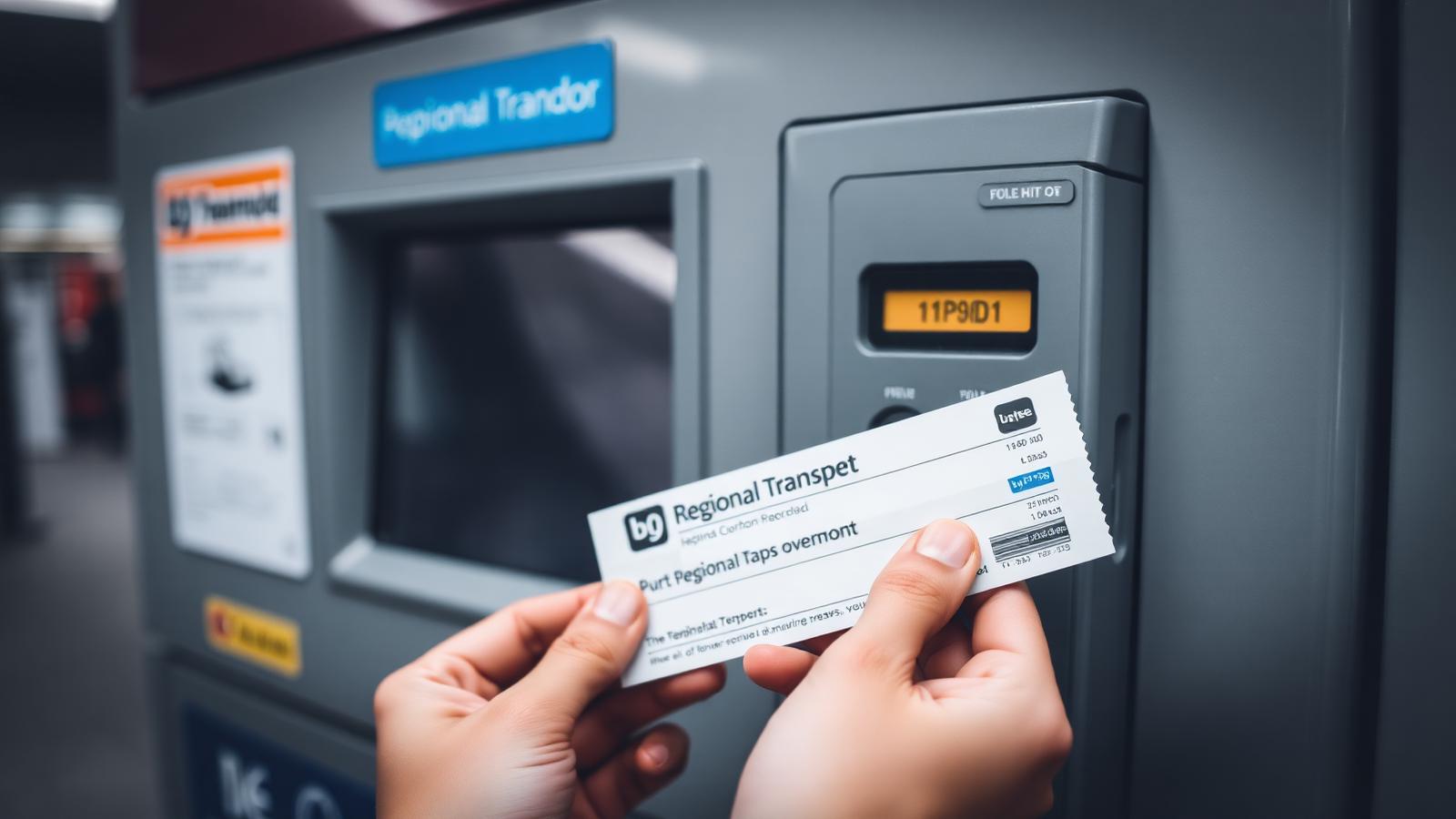
If the reroute happens ahead of an outbound flight rather than on arrival, for example your departure airport changes from Heathrow to Gatwick with a few hours' notice, the most important number is your check- in cutoff at the new airport counted backward from the new departure time, not the old one. Add the transfer time between airports, add a buffer for security at the new airport since queue lengths vary by time of day, and add extra margin if you are unfamiliar with the new airport's layout. As a rough example, a reroute from Heathrow to Gatwick for an international departure might require leaving three and a half to four hours before departure once transfer time, check-in and security are all stacked together, compared with perhaps three hours if you were already flying from Gatwick and knew the layout.
The same logic applies to the Tokyo and Milan examples. A Narita to Haneda change adds meaningfully more transfer time than most people expect, since Narita sits considerably further from central Tokyo, and a Malpensa to Linate change similarly shifts your timing since Malpensa is the airport further from Milan's center. Rather than guessing, look up the specific rail or bus timetable for the new airport pairing as soon as you know about the change, since guessing based on the old airport's timings is one of the most common ways people end up missing a rearranged departure.
Who pays, and how to make the claim smoother
Reimbursement outcomes vary by cause and jurisdiction. When the airline changed the airport for operational reasons within its control, reasonable transport costs are commonly reimbursed, particularly under consumer protection rules that apply in the European Union and the United Kingdom. When a reroute happens because of weather or an airport-side closure outside the airline's control, reimbursement is less certain, though many airlines still offer some goodwill support such as a discounted transfer or a partner shuttle. Always keep every receipt, note the time and reason given for the reroute, and email the airline's customer relations address with a clear, factual summary rather than a long complaint, since concise claims tend to move through review queues faster.
Comparing ground transfer times between paired airports
Before assuming one airport in a pair is simply "close enough" to another, it is worth actually comparing transfer times rather than guessing from a map. London's Gatwick and Heathrow look close on a map but sit roughly forty five minutes to an hour apart by rail depending on which line and station you use, and there is no direct rail link between them, so a same-city swap there usually means a trip through central London or a dedicated coach service. Newark and JFK are a similar story, both serving the New York area but separated by an hour or more of road travel with heavy traffic variability and no fast rail connection directly between the two airfields. Tokyo's Narita and Haneda differ enormously in distance from the city centre, with Haneda considerably closer in, and a same-city reroute between the two changes your transfer time by well over an hour in either direction. Paris has a comparable pair in Orly and Charles de Gaulle, connected by a tram and RER combination that works but adds real time to a journey that was not planned around it. In every one of these pairs, look up the specific transfer option for that pairing rather than assuming an airport swap within the same city is a minor change.
Who actually pays for the transfer
Responsibility for the transfer cost generally follows the cause of the reroute. If the airline diverted you or changed your departure airport for an operational reason within its control, it is reasonable to expect the airline to cover reasonable transport costs between the two airports, though in practice this often means paying yourself first and claiming the receipt back rather than being handed cash on the spot. If a schedule change was announced well in advance, some airlines take the position that you had time to plan around it and may be less willing to cover a transfer cost, so it is worth asking directly and getting any commitment in writing rather than assuming it either way. Weather-driven diversions sit in a greyer area again, since the underlying cause was outside the airline's control even though the inconvenience to you is identical.
Rechecking, security, and what happens to your bags
A same-city airport change also has practical knock-on effects that are easy to overlook in the moment. If you already checked a bag and the reroute happens before departure, your bag may already be tagged to the original airport's system and could need to be physically retrieved and rechecked at the new one, which takes real time and sometimes requires visiting a baggage services desk rather than a normal check-in counter. If the reroute happens on arrival, meaning your inbound flight lands somewhere other than expected, your checked bag generally arrives with you on the same aircraft, but it is worth confirming this rather than assuming it, since irregular operations occasionally separate passengers and bags during a diversion. You will also need to clear security again at the new airport in most cases, even if you already cleared it once at the original one, so budget that time into any tight connection or onward transport booking.
Insurance and rental car complications
A rental car booked for pickup at the original airport is one of the more common casualties of a same-city airport change. Many rental desks release a reserved car after a grace period if you have not shown up or called ahead, and a same-city swap that adds an hour or more of transfer time can easily eat into that window. Call the rental company as soon as you know about the change, both to protect the reservation and to ask whether they can arrange a pickup at the new airport instead, since some larger rental chains operate desks at all the airports in a metro area and can simply redirect your booking. Travel insurance policies vary in how they treat this kind of disruption, and a same-city airport change alone, without an accompanying delay past your policy's threshold, may not trigger a delay benefit even though it clearly disrupted your plans, so check the specific wording rather than assuming a payout is automatic.
A worked example
Imagine your flight into London is diverted from Heathrow to Gatwick because of a temporary runway closure. You land at Gatwick with a hotel booked near Heathrow and a rental car reservation at Heathrow for later that afternoon. The sensible sequence is to first ask the arrivals desk whether the airline is running or funding a transfer to Heathrow, then call the rental company immediately to flag the changed pickup location and protect the reservation, and then message your hotel or the person meeting you with the revised arrival point and a realistic new arrival time based on the Gatwick to Heathrow transfer, which can run close to an hour by road or rail depending on traffic and the time of day. Keep the diversion notice and any transport receipts together, since a clear, short claim referencing the specific diversion tends to move through an airline's customer relations queue faster than a vague complaint filed weeks later.
For general guidance on getting a fast, useful answer out of an airline once you are filing a claim like this, it helps to read how to contact an airline successfully on the Change Station. If the airport change came bundled with a longer delay, the flight delay survival guide covers what to expect at each stage of the wait, and if the change tipped into an involuntary rebooking onto a much later flight, it is worth reading denied boarding and passenger rights as well. Anyone building an itinerary through a multi-airport city in the first place should also check Rules Station for connecting flight and document rules, since a same-city airport swap can sometimes intersect with passport control if it also changes whether your journey counts as domestic or international.
Frequently asked questions
Related articles
Keep reading across the network
Fix Station · 13 min read
Denied Boarding and Passenger Rights, Explained
A question and answer guide to denied boarding, comparing how EU261, UK261, US DOT oversales rules and Canada's APPR generally work, plus how to negotiate a bump offer.
Fix Station · 14 min read
Flight Delay Survival Guide
How to handle a flight delay by length, from a 30 minute wait to an overnight cancellation, including duty of care, vouchers, and when it makes sense to rebook yourself.

Change Station · 12 min read
How to Actually Reach an Airline
Phone, app, social media or airport desk: a practical playbook for reaching an airline quickly, including foreign call centres and escalation routes.