
Denied Boarding and Passenger Rights, Explained
A question and answer guide to denied boarding, comparing how EU261, UK261, US DOT oversales rules and Canada's APPR generally work, plus how to negotiate a bump offer.
13 min read · Updated March 2025
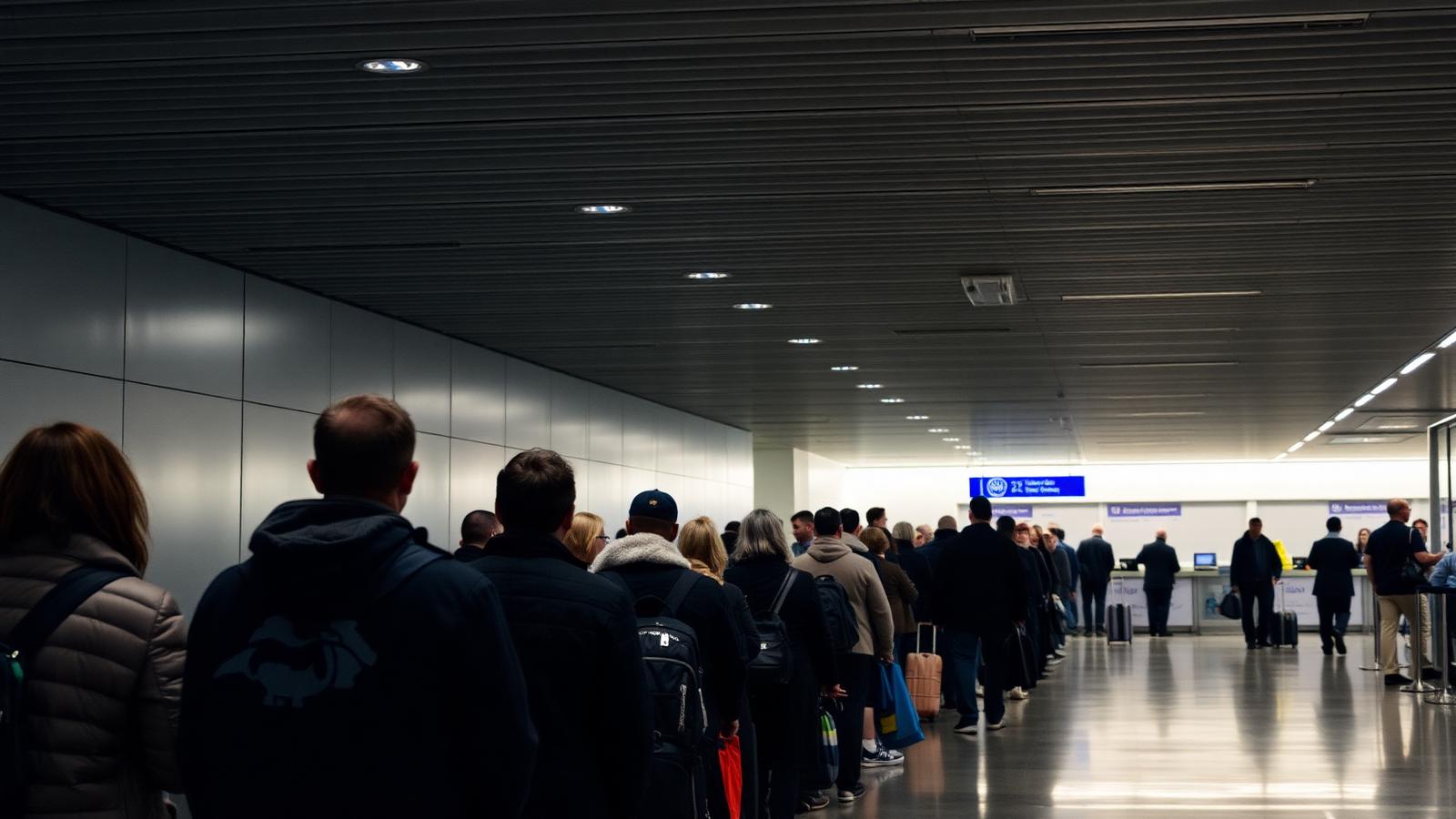
Denied boarding is one of the more misunderstood corners of air travel, partly because it gets lumped in with delays and cancellations even though the underlying situation, and the rules that apply, are genuinely different. A flight that departs is not delayed or cancelled; the issue is that the airline has more confirmed passengers than seats, and someone has to be left behind. This guide takes a question and answer approach to the topic, then compares how the major regulatory regimes around the world generally treat the situation, and finishes with practical advice on negotiating a bump offer if you find yourself at the gate when the announcement comes.
Why does denied boarding happen at all?
Airlines sell more tickets than they have seats on a predictable share of flights, a practice called overbooking, because historical data shows a reliable percentage of passengers will not show up, whether due to missed connections, changed plans, or simple no-shows. On most flights this works out fine. Every seat that would have flown empty gets filled, and revenue management teams consider it a normal part of running an airline profitably. Occasionally, though, more passengers show up than predicted, and the airline needs volunteers, or in the worst case has to involuntarily remove passengers, to match the number of people to the number of seats.
Denied boarding can also occur for reasons that have nothing to do with overselling. A last-minute aircraft swap to a smaller plane, a weight and balance restriction on a shorter runway, or a crew scheduling issue can all reduce available seats on a flight that was not actually oversold in the ticketing sense. The practical experience for the passenger is similar, being told at the gate that they will not be travelling on the flight they booked, but the applicable compensation rules can differ depending on the actual cause.

What is the difference between a volunteer and an involuntary bump?
When an airline realises it has an oversold flight, its first move under most regulatory frameworks, including Canada's Air Passenger Protection Regulations, generally called APPR, is to ask for volunteers. Gate staff will announce that the flight is oversold and offer an incentive, often a travel voucher, cash, or both, plus rebooking on a later flight, to anyone willing to give up their seat voluntarily. If you take this deal, you are a volunteer, and the terms are essentially whatever you and the airline agree to at the gate, which can be considerably more generous than the statutory minimum for involuntary denied boarding.
If not enough passengers volunteer, the airline moves to involuntary denied boarding, selecting passengers to remove based on criteria in its contract of carriage, commonly things like check-in time, fare class, or frequent flyer status. This is where the stronger, legally defined compensation entitlements generally kick in, since you did not choose to give up your seat.
How do the major regimes compare?
It helps to think about this at a conceptual level rather than trying to memorise exact figures, since amounts and thresholds are periodically revised and eligibility depends on the specific flight, the airline, and where the disruption occurred.
| Regime | General approach | Typically applies to |
|---|---|---|
| EU261 (European Union) | Fixed compensation bands based on flight distance for involuntary denied boarding | Flights departing the EU on any airline, and some flights arriving in the EU on an EU carrier |
| UK261 (United Kingdom) | Near-identical structure to EU261, run independently since the UK's departure from the EU framework | Flights departing the UK, and some UK carrier flights arriving into the UK |
| US DOT oversale rules | Compensation tied to how much later the offered alternative flight arrives compared with the original | Domestic and international flights departing the United States |
| Canada APPR | Tiered compensation amounts, with a required volunteer request stage before involuntary denial | Flights departing Canadian airports, and some flights arriving in Canada |
The practical upshot is that the same denied boarding event, say on a Lufthansa flight departing Frankfurt versus a United flight departing Chicago, can lead to noticeably different entitlements simply because of where the flight originates and which airline is operating it. Always check the airline's own published policy for the specific flight, since carriers are generally required to disclose their overbooking and denied boarding compensation terms.

How do I negotiate a voluntary bump offer well?
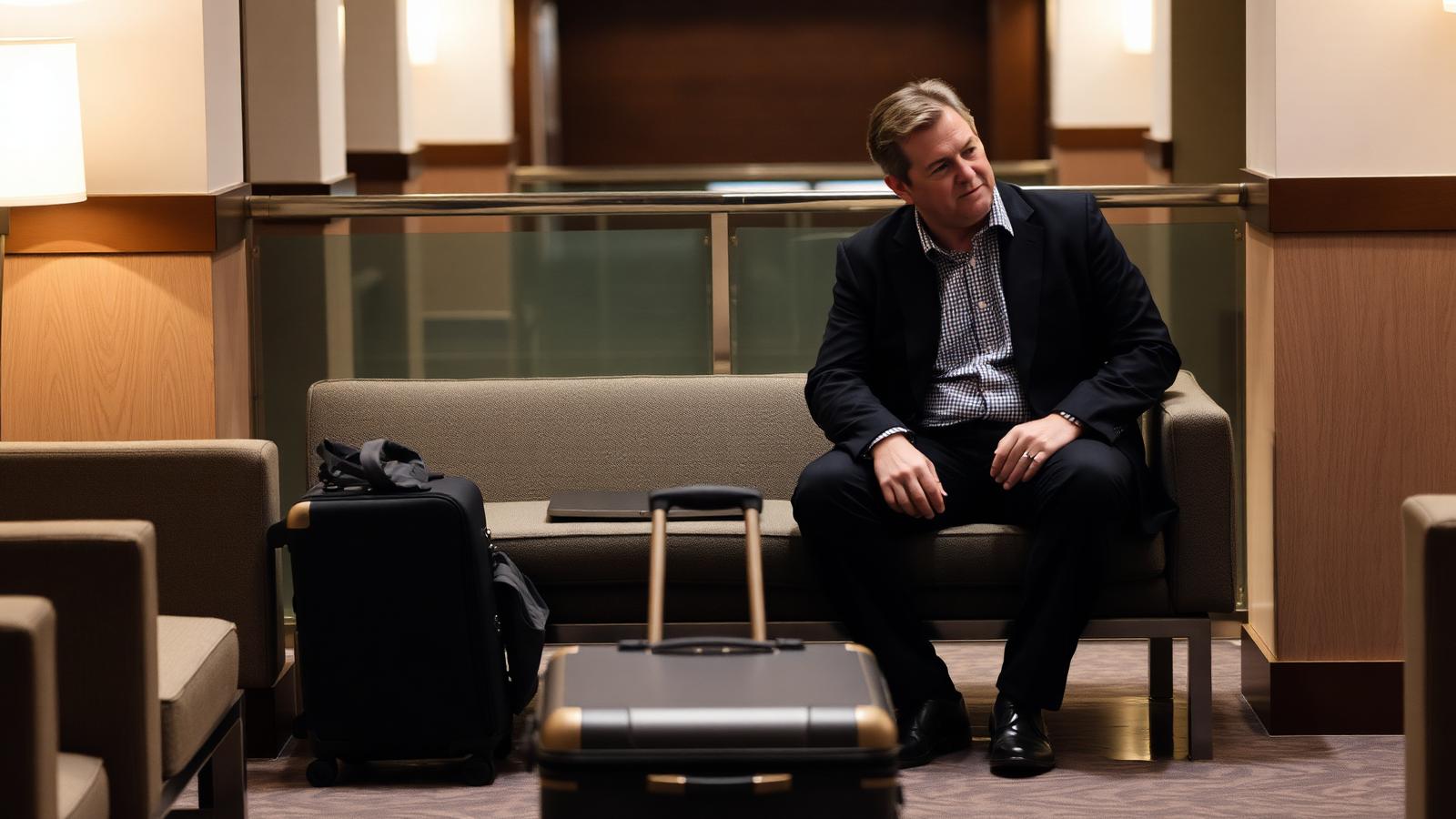
If you are not in a rush and the gate agent asks for volunteers, this can be a genuinely good outcome rather than something to avoid. A few things are worth asking before you say yes:
- Is the rebooking on a confirmed seat on a specific flight, or standby on a later one?
- Is the compensation cash, or a travel voucher, and does the voucher have an expiry date or blackout dates?
- Does the offer include a meal voucher and, if the delay stretches overnight, a hotel?
- If you are travelling with checked bags, will they be pulled and rechecked onto your new flight automatically?
- Is there a deadline to decide, and can you get the offer confirmed in writing before agreeing?
It is generally reasonable to negotiate the number on the table, particularly if several people are hesitating and the airline clearly needs more volunteers. Offers sometimes increase in stages as the gate agent tries to secure enough volunteers before departure, so there is little harm in waiting a round before accepting the first figure, provided you are not worried about missing a connection or an important event at your destination.
What if I am involuntarily denied boarding?
Ask for written confirmation that you were involuntarily denied boarding and the stated reason, since this documentation matters for any compensation claim. Get your rebooking confirmed in writing as well, ideally with a specific flight number and seat, not just a promise of "the next available flight." Keep your original boarding pass, since it is usually the primary evidence that you held a confirmed, checked-in seat on the original flight.
Submit a compensation claim afterward directly through the airline's official passenger rights or customer relations channel, referencing the regulation you believe applies to your flight. If the response is slow or unhelpful, our guide on contacting an airline successfully has escalation approaches that tend to work when a first claim goes quiet. If the airline responds with a travel voucher rather than cash and you would prefer money, our airline vouchers and compensation guide explains when you can reasonably push for a cash alternative instead.
A few edge cases worth knowing
Denied boarding tied to a passenger's own documentation, such as an expired passport or a missing visa, is treated entirely differently and does not generally trigger oversale-related compensation, since the airline is not the cause of the problem. Similarly, denied boarding for safety or security reasons, or intoxication, sits outside the standard oversale compensation frameworks. If your document situation is the root cause rather than the airline's overbooking, our passport validity rules guide is the more relevant place to start.
How a volunteer auction actually runs at the gate
The process at the gate is closer to an informal auction than a fixed offer, even though it can feel chaotic in the moment. A gate agent typically opens with a starting offer, often a travel voucher of a set amount plus rebooking on a later flight, and watches how many passengers come forward. If too few volunteers step up, the offer is often increased in stages, sometimes moving from a voucher to a cash amount, or from a smaller voucher to a larger one, until enough passengers accept. This means the first announcement is rarely the airline's final offer, and passengers who wait a round or two, without holding up the boarding process unreasonably, sometimes end up with a noticeably better deal than those who accept immediately.
The compensation bands worth knowing in general terms
Under the US DOT's oversale rules, compensation for involuntary denied boarding is generally tied to how late the airline's substitute flight gets you to your destination compared with your original schedule, with no compensation typically owed for a short delay of an hour or so, then a payment equal to roughly 200 percent of your one way fare up to a set cap for a moderate delay, and roughly 400 percent of your one way fare up to a higher cap for a longer delay. Under EU261 and the near-identical UK261 framework, compensation for involuntary denied boarding is generally set in fixed bands tied to the distance of the flight, with shorter flights carrying a lower fixed amount and longer flights carrying a higher one, and the amount can sometimes be reduced if the airline manages to get you to your destination within a few hours of your original arrival time. These figures are periodically revised and vary by exact circumstance, so treat them as a general shape rather than numbers to quote back at a gate agent.
What does not count as denied boarding
It is worth being clear about the boundary here, since a lot of situations that feel similar to denied boarding do not actually qualify for oversale-related compensation at all. Arriving late to check-in or the gate after the cutoff time and being refused boarding as a result is not denied boarding in the regulatory sense, it is a self-inflicted missed flight, even though the experience of being told you cannot board feels the same in the moment. Being refused boarding because of a missing visa, an expired passport, or incomplete travel documents is also treated as a separate category, since the airline is enforcing a document requirement rather than managing an oversold flight. Similarly, being removed for a security concern, intoxication, or a safety issue sits outside the standard compensation frameworks entirely. If any of these describe your situation, the relevant fix is usually correcting the underlying document or conduct issue rather than pursuing a denied boarding claim.
What to insist on in writing at the gate
If you are involuntarily denied boarding, a short list of things is worth getting in writing before you leave the gate area, since verbal promises during a busy oversale situation are easy for both sides to lose track of later.
- A written statement that you were involuntarily denied boarding, and the reason given.
- Your new flight details, including a specific flight number and confirmed seat, not just a promise.
- Confirmation of any meal, hotel, or transport arrangements included with the rebooking.
- A reference number for the compensation claim, or clear instructions for how to file one.
- Confirmation of what happens to any checked bags already loaded onto the original flight.
A worked example
Say a flight from Chicago to Denver is oversold, and the gate agent announces a starting offer of a three hundred dollar voucher plus a seat on a flight two hours later. Few passengers volunteer, so the offer rises to a five hundred dollar voucher with a meal voucher included, and still nobody takes it because the later flight is close to the last one of the day. At that point the airline may need to move to involuntary denied boarding, selecting passengers based on its contract of carriage criteria, and the involuntary compensation in that case would generally be calculated under the DOT's rules based on how late the substitute flight actually arrives compared with the original schedule, which could turn out to be more generous than the voucher offer that was declined, or less, depending on exactly how the numbers land. This is exactly why it is worth listening carefully to both the voluntary offer and understanding your involuntary entitlement before deciding whether to hold out.
Denied boarding is disruptive, but it is also one of the more procedurally well defined disruptions in air travel, with clear regimes in most major markets and, in the voluntary case, genuine room to negotiate a good outcome. For broader support with disruption on the day, from cancellations to missed connections, the Fix Station hub has the full range of guides.
Frequently asked questions
Related articles
Keep reading across the network
Change Station · 13 min read
Airline Vouchers and Compensation
A question and answer guide to airline vouchers, EU261 and UK261 style passenger rights, denied boarding rules, and when to refuse a voucher for cash.
Fix Station · 14 min read
Flight Delay Survival Guide
How to handle a flight delay by length, from a 30 minute wait to an overnight cancellation, including duty of care, vouchers, and when it makes sense to rebook yourself.
Fix Station · 12 min read
What To Do When Your Flight Is Cancelled
The first ten minutes matter most. A practical order of actions for rebooking, refunds, hotels and compensation after a cancellation.