
Flight Delay Survival Guide
How to handle a flight delay by length, from a 30 minute wait to an overnight cancellation, including duty of care, vouchers, and when it makes sense to rebook yourself.
14 min read · Updated March 2025
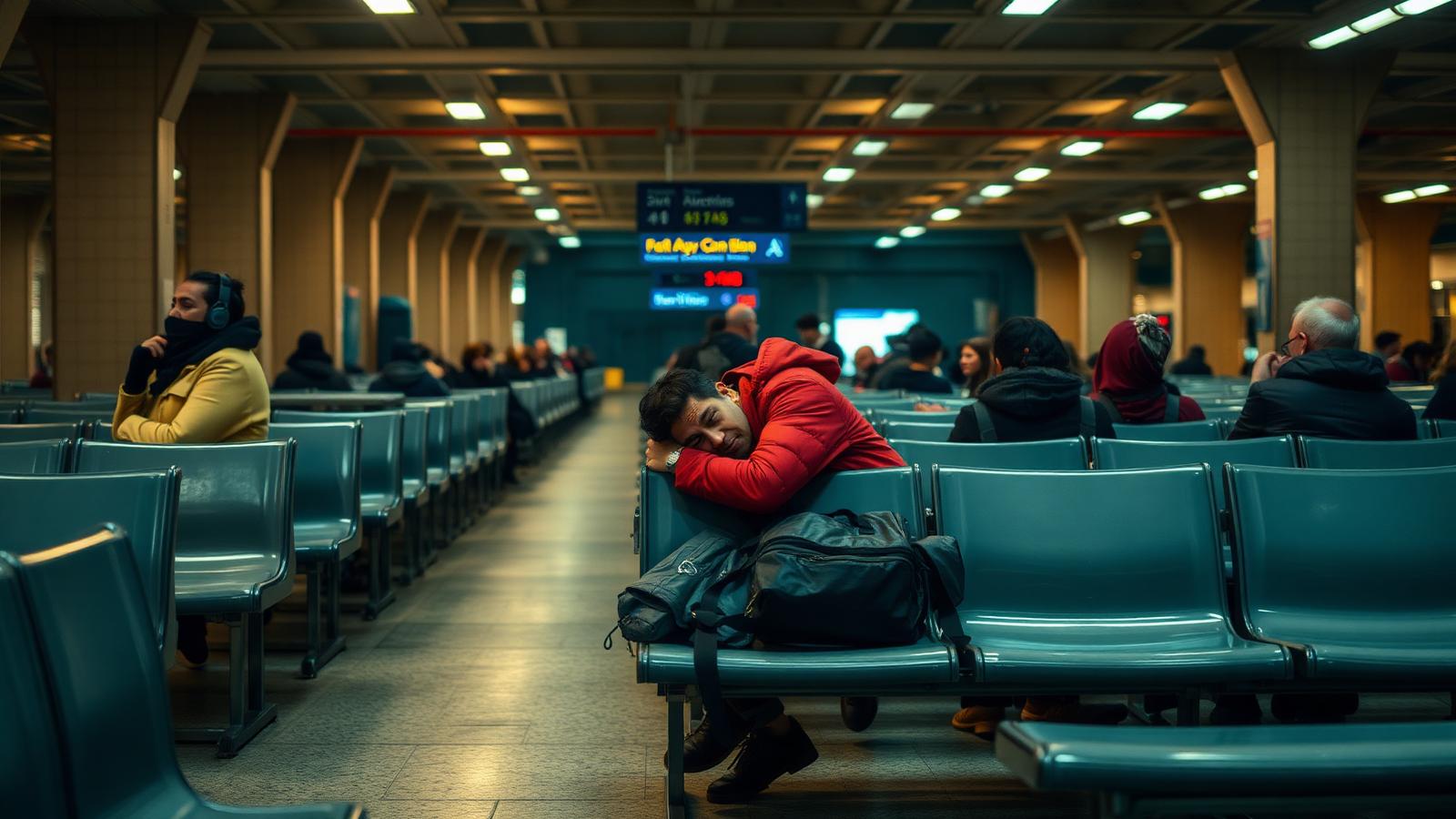
A flight delay changes shape completely depending on how long it lasts, and treating a thirty minute slip the same way you treat an overnight cancellation wastes energy in the wrong places. This guide walks through what actually matters at each stage of a delay, from the moment the board first flickers to red through to the point where rebooking or a hotel becomes the sensible move. Duty of care, meal vouchers and lounge access all come into play eventually, but not at the same time, and knowing the order of operations saves both money and patience.
The first 30 minutes: information, not action
A short delay of thirty minutes to an hour rarely calls for anything beyond staying near the gate and keeping an eye on the departure board or the airline's app. Airlines often push these announcements quietly, and gate agents may not have a firm new time yet themselves. This stage is really about information gathering: is the reason a late inbound aircraft, a crew scheduling issue, weather, or an air traffic control slot restriction. Weather and ATC slot delays tend to be the most rigid, since nobody at the airport can override an air traffic control decision, while a late inbound aircraft or a crew issue can sometimes be worked around if the airline has a spare aircraft or crew nearby.
It is worth resisting the urge to approach the gate desk repeatedly during this window. Staff genuinely do not have better information than the board most of the time, and a queue of anxious passengers slows down the desk's ability to actually manage the flight. A single check-in with the agent once, to confirm you are still checked in and your seat assignment stands, is usually enough.
The two hour mark: start asking about entitlements
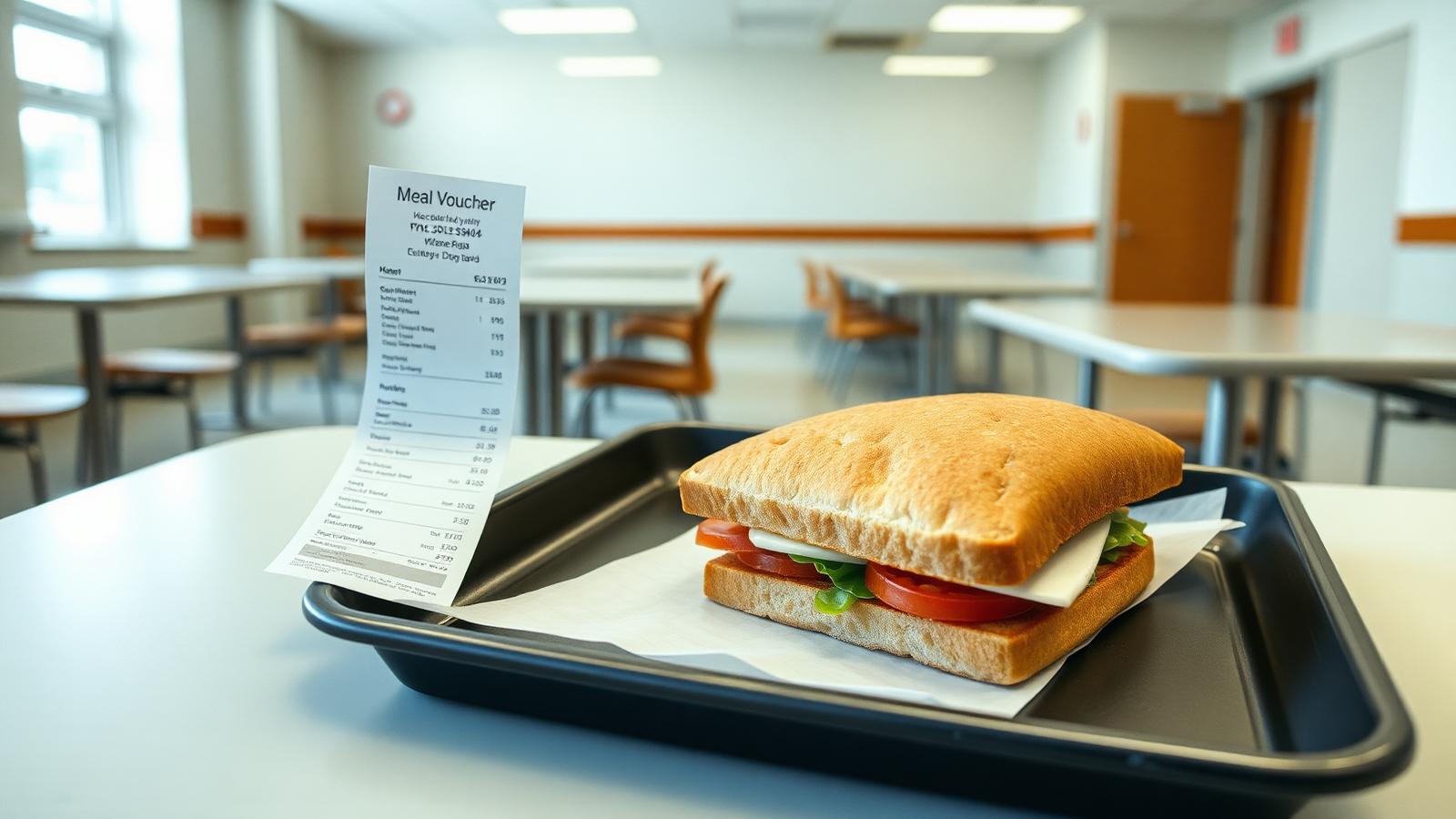
Once a delay clears roughly two hours, it is reasonable to start asking questions rather than just waiting. This is the point where meal vouchers commonly become available on many airlines, particularly in Europe where regulatory guidance nudges carriers toward offering "care" (food and drink) once a delay passes certain thresholds tied to flight distance. In the US, meal vouchers are more of a customer service gesture than a rule, and policies vary a lot between a full service carrier like Delta or American and a low cost carrier like Spirit or Frontier, so it is worth asking directly at the gate rather than assuming nothing is available.
This is also a sensible point to buy a day pass to an airport lounge if one is available and the price is reasonable relative to buying food and drink retail at the gate. A lounge pass usually buys you a quieter seat, decent food, reliable power outlets for phones and laptops, and sometimes a shower, all of which matter more the longer the delay stretches. Priority Pass, airline-branded lounges and independent pay-on entry lounges are all worth checking at a major hub airport such as Heathrow, Frankfurt or Singapore Changi, where several lounge brands typically operate side by side.
The five hour mark: decide whether to keep waiting
By five hours, a delay starts resembling a cancellation in everything but name, and it is worth actively comparing your options rather than passively watching the board. Check whether the airline's app offers a self-service rebooking option, since many carriers now let passengers move themselves onto a later flight without a desk visit once a delay passes a certain length. Also check competing airlines on the same route; if a same-day alternative exists and your fare rules or a delay policy would let you claim a refund on the unused ticket, moving to a different carrier can sometimes get you there hours sooner than waiting for your original flight's revised departure time to hold.
| Delay length | Likely costs to you | Typical airline response |
|---|---|---|
| 30 to 60 minutes | Minimal, maybe a coffee | Announcements only, no vouchers expected |
| 2 to 3 hours | A meal, possibly a lounge pass | Meal vouchers common, especially in the EU and UK |
| 5+ hours | Meals, possibly a rebooking fee if self-directed | Self-service rebooking often opens up, compensation may apply under EU261/UK261 |
| Overnight | Hotel, ground transport, extra meals | Hotel voucher common if airline caused the delay, less certain for weather |
Overnight delays: hotels, duty of care and the fine print
Once a delay tips into an overnight cancellation, duty of care becomes the central issue. Many airlines, particularly in Europe under EU261 and in the UK under the equivalent UK261 rules, are expected to arrange and pay for a hotel and transport to and from it when a delay is within the airline's control and requires an overnight stay. Weather-caused disruptions complicate this, since airlines in many jurisdictions are not required to cover hotel costs for delays caused by extraordinary circumstances outside their control, even though many will still offer a discounted hotel rate or a list of nearby options as a courtesy.
If the airline's hotel line is long or the desk is overwhelmed, and you have travel insurance with a delay benefit, booking your own hotel and claiming it back afterward is often faster than waiting hours for a voucher. Keep the booking confirmation and receipt, and take a photo of the departure board showing the delay or cancellation, since insurers typically want documented proof of the disruption alongside the expense receipt.
Common mistakes people make during a long delay
- Leaving the gate area for a long meal without checking how boarding changes get announced, and missing a sudden recovery in the schedule.
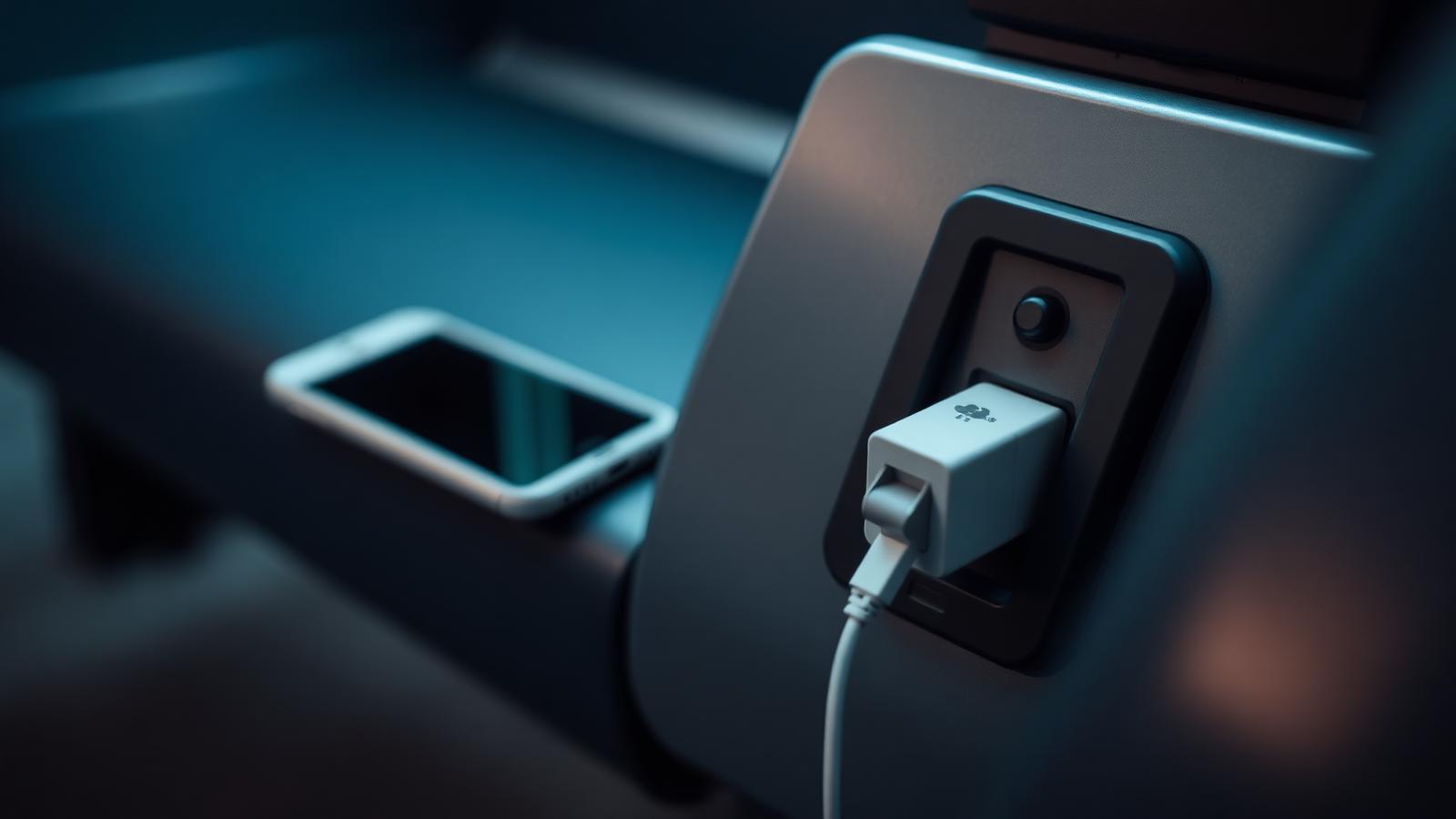
- Letting a phone battery run flat exactly when you need the airline app most to accept a self-service rebooking offer.
- Assuming a hotel voucher is automatic and not asking, when in many cases you need to request one directly at a service desk.
- Throwing away boarding passes and receipts, which matter enormously if you later pursue a compensation claim under regulations like EU261.
- Booking a brand new ticket in a panic before checking whether the original fare allows a free change or refund under the disruption.
A decision ladder by delay length
It helps to think of a delay as a ladder with five rungs, and to know roughly what changes at each one rather than reacting the same way regardless of how long the wait has become. Under an hour, the right move is almost always to do nothing and simply watch the board, since anything you do at that stage costs more time than it saves. Between one and three hours, it becomes worth asking about meal vouchers and checking whether a lounge day pass makes financial sense. Past three hours, start actively comparing your airline's rebooking options against competing flights on the same route, since a same-day alternative can sometimes beat waiting out the original flight's slipping departure time. Once a delay tips into an overnight wait, duty of care and hotel arrangements become the main issue rather than the flight itself. And at the point where the airline formally converts a long delay into a cancellation, an entirely different set of rules and compensation thresholds usually apply, so it is worth reading that status change carefully rather than assuming a cancellation is simply a longer version of the delay you were already in.
- Under 1 hour: watch the board, do not queue at the desk, keep your phone charged.
- 1 to 3 hours: ask about meal vouchers, weigh a lounge pass against retail food prices.
- 3 hours or more: compare self-service rebooking against other carriers on the same route.
- Overnight: shift focus to hotel duty of care and, if needed, book your own and claim it back.
- Converted to a cancellation: treat it as a new event with its own compensation and rebooking rules.
What the app shows versus what the gate actually knows
A detail that trips up a lot of travellers is assuming the airline's app and the gate agent are drawing on the same information at the same moment. In practice the app often reflects a scheduling system estimate that updates on its own cycle, while the gate agent may be working off more current information from the ramp, from air traffic control, or from a crew scheduling desk, and sometimes the reverse is true, with the app updating before the gate has been told anything official. Neither source is reliably ahead of the other, which is why it is worth checking both rather than treating either one as the final word. If the two genuinely disagree by more than half an hour, it is usually worth a single polite question at the desk rather than assuming the app is wrong.
Tarmac delay rules in the United States
In the United States, there are specific federal rules that limit how long an aircraft can sit on the tarmac after the doors close, generally around three hours for domestic flights and four hours for international flights, with the aircraft required to return to a gate and allow passengers to disembark if those limits are reached, subject to a small number of safety and security exceptions. Airlines also have to provide food, water, and working lavatories during a tarmac delay well before those outer limits are hit. This is a narrower protection than the delay itself, since it only covers time spent physically stuck on the aircraft rather than a delay experienced in the terminal before boarding, but it is worth knowing about if you ever find yourself sitting on a taxiway for what feels like an unreasonably long stretch.
Meal and hotel duty of care thresholds in the EU and UK
Under EU261 and the UK's near-identical UK261 rules, the obligation to provide meals, refreshments, and where necessary a hotel with transport to and from it, is generally tied to the length of the delay and the distance of the flight rather than a single flat number of hours. Shorter flights trigger the obligation at a lower delay threshold than longer flights, and the requirement generally applies once the delay is expected to run to a certain number of hours or more, with an overnight wait almost always triggering the hotel obligation if the delay is within the airline's control. Weather and other extraordinary circumstances complicate the hotel side of this in particular, since airlines in these jurisdictions are not required to fund hotels for delays genuinely outside their control, even though many still offer one as a courtesy or at a discounted rate.
Tactics if you are a connecting passenger
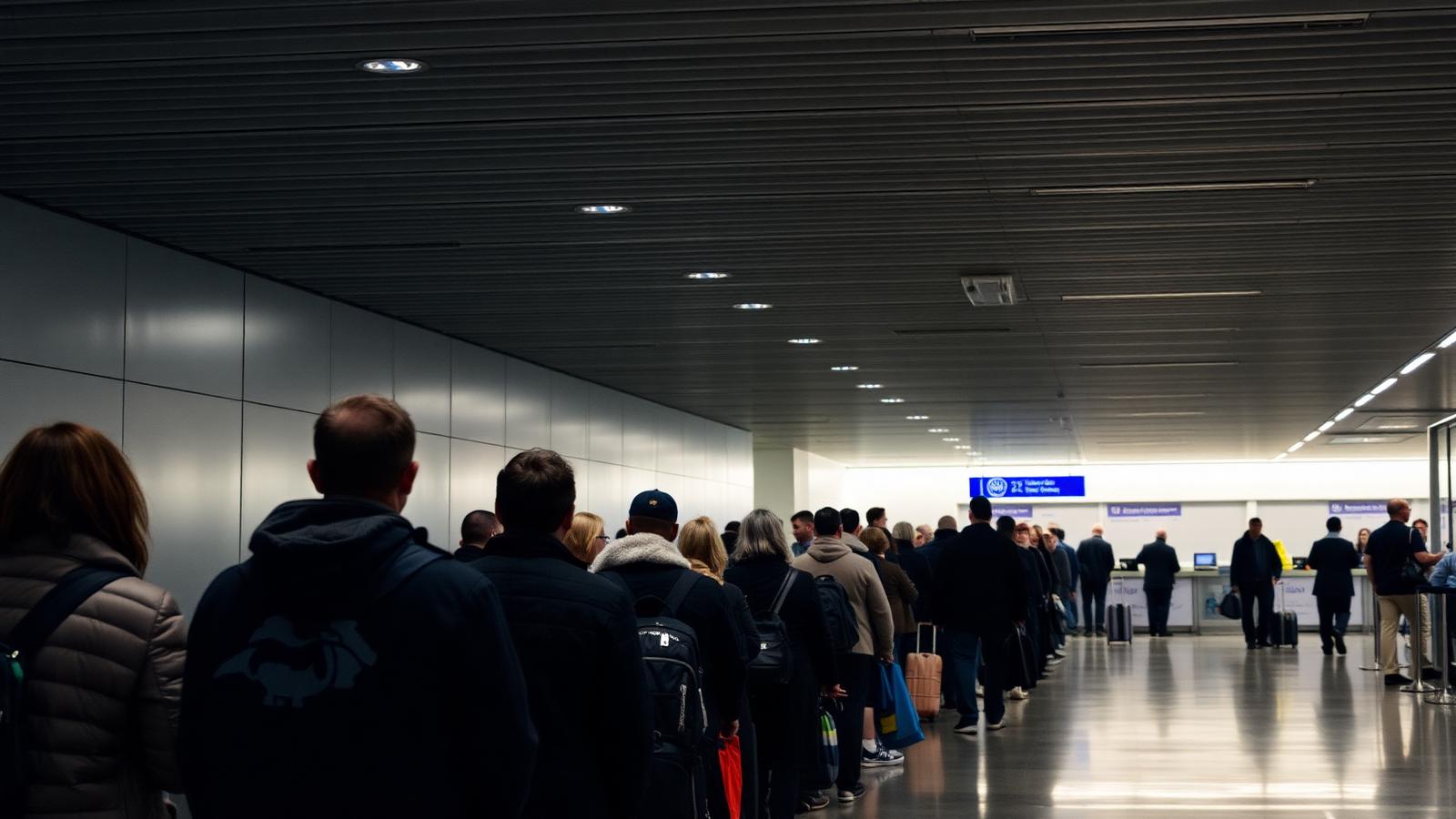
A delay on the first leg of a connecting itinerary changes the calculation considerably, since the real question is not how long the first flight is delayed but whether the connection still holds. If the two flights are on the same ticket, the airline generally has an obligation to get you to your final destination, and it is worth asking the gate agent for a connection risk assessment before boarding rather than discovering the problem on arrival. If the connection looks doubtful, ask specifically whether the airline can rebook you onto a later connecting flight before you board the delayed first leg, since doing this proactively at the departure gate is often faster than trying to solve it after landing at a busy hub with a queue of other passengers in the same situation.
A worked example at a busy hub
Say you are flying through Chicago O'Hare on a two-leg domestic itinerary, and the first flight is delayed ninety minutes because of a late inbound aircraft. The app shows a new departure time, but the connection at O'Hare was already tight at fifty minutes. Rather than waiting to see what happens on arrival, the sensible move is to ask the departure gate agent, before boarding, whether the connecting flight is also delayed or whether a rebooking onto a later connection makes more sense now. If the agent can confirm the connecting flight is running roughly on time, it may be worth asking for a rebooking to a later connection with a comfortable buffer rather than sprinting across O'Hare's long terminal layout on a tight window, since a missed connection discovered on arrival is a much slower problem to fix than one solved proactively at the first gate. The same approach applies at any large hub, from Frankfurt to Atlanta, where terminal distances and gate changes routinely eat into a short connection window.
If your delay eventually causes you to miss a connecting flight further down the itinerary, the approach changes again. That situation is covered in detail in the missed connection recovery guide, which walks through protected versus unprotected itineraries. For a broader look at what compensation you might be entitled to once a delay crosses into cancellation or denied boarding territory, see denied boarding and passenger rights. It is also worth understanding airline vouchers and compensation on the Change Station before you accept the first offer at the desk, since a cash refund is sometimes available even when a voucher is offered first. And if you need to know your rights around required travel documents while you wait, the Rules Station has detailed guides on passport and visa validity that can matter if a delay pushes you past a connecting visa window.

The single most useful habit through any delay, short or long, is simply not to let information decay. Keep your phone charged, keep the airline app open, keep receipts, and check in with a desk agent once rather than repeatedly. Delays are frustrating precisely because so much of the outcome depends on things outside your control, like weather systems or air traffic control decisions three cities away, but the parts you can control, staying informed and acting at the right threshold, make a real difference to how smoothly the rest of the day goes.
Frequently asked questions
Related articles
Keep reading across the network

Fix Station · 13 min read
Missed Connection Recovery Guide
What to do in the first fifteen minutes after you miss a connecting flight, how protected itineraries work, and real transfer time examples from DFW, ATL, AMS and LHR.
Fix Station · 13 min read
Denied Boarding and Passenger Rights, Explained
A question and answer guide to denied boarding, comparing how EU261, UK261, US DOT oversales rules and Canada's APPR generally work, plus how to negotiate a bump offer.
Change Station · 13 min read
Airline Vouchers and Compensation
A question and answer guide to airline vouchers, EU261 and UK261 style passenger rights, denied boarding rules, and when to refuse a voucher for cash.