
Changing a Hotel Reservation
How to change dates, room type or cancel a hotel booking, with a comparison of prepaid versus flexible rates and what fees to expect.
11 min read · Updated March 2025

A hotel reservation feels like a simple thing until the moment you need to change it, at which point it turns out to be a small contract with its own rules, deadlines and financial consequences. Unlike an airline ticket, there is no single global framework governing hotel changes. Each property, each rate type and each booking channel sets its own terms, and those terms are usually only visible if you go looking for them at the time of booking. This guide walks through the practical steps for changing a hotel reservation, and then compares the situations that make a change easy or expensive.
Step one: find your rate type before you do anything else
Before calling anyone, open your confirmation email and find the rate description. It will usually say something like "non-refundable", "pay at hotel", "flexible", "fully refundable" or "advance purchase". This single line of text tells you almost everything about what happens next. A non-refundable or advance purchase rate is priced lower specifically because you have given up the right to change or cancel for free. A flexible or "pay at hotel" rate costs more but keeps your options open, usually up to a defined cutoff time before arrival.
If you cannot find the rate description, log back into the booking site or app you used. Most OTAs show a "cancellation policy" tab on the booking details page with an exact date and time after which the reservation becomes non-refundable or subject to a fee. Screenshot this before you start any conversation with customer service, because policies do occasionally get misquoted by phone agents working from a different system than the one that generated your original confirmation.
Step two: identify who actually controls your reservation
This is the step most travellers skip, and it causes more frustration than any other part of the process. If you booked directly with the hotel, through its own website, its app, or by phone with the property, the hotel has full control and can change dates, room type or rate on the spot. If you booked through an intermediary such as Booking.com, Expedia, Hotels.com, or a corporate travel agency, the hotel is often working from a static confirmation and cannot alter it in its own system. Calling the hotel directly in that case gets you a polite but unhelpful answer, because the front desk genuinely does not have the access to make the change.
For OTA bookings, go back to the OTA's app or website first. Most have a self service option, usually under "manage booking" or "trip details", that lets you request a date change or cancellation without calling anyone. If the online tool will not let you do what you need, that is when you call the OTA, not the hotel. Keep in mind that some OTAs add their own service fee on top of whatever the hotel's policy allows, so a change that is technically free from the hotel's perspective might still cost you a processing fee from the middleman.

Step three: decide what kind of change you actually need
"Changing a reservation" covers several different requests, and they are not treated equally.
- Shifting the dates without changing the length of stay. This is usually the easiest request. Many hotels will accommodate it even on a semi-flexible rate if the new dates are within a reasonable window and the room type is available, sometimes as a courtesy rather than a contractual right.
- Shortening the stay. This is where early departure fees appear. If you have already checked in and decide to leave early, some properties, especially larger branded hotels in the United States, charge a fee equivalent to one night to cover the lost inventory, since the room could not be resold at short notice.
- Extending the stay. Usually straightforward if the room or room type is available for the additional nights, priced at whatever the current rate is for those dates, not your original rate.
- Changing room type. Treated as a new booking calculation, upgrading or downgrading with the price difference charged or refunded accordingly, subject to availability.
- Cancelling entirely. Governed strictly by the cancellation policy attached to your rate, with no flexibility beyond what is written unless you have a genuinely exceptional circumstance and a sympathetic manager.
Comparing rate types and what they mean for a change
| Rate type | Typical price vs flexible | Change flexibility | Best for |
|---|---|---|---|
| Prepaid / non-refundable | 10 to 30 percent cheaper | Usually none, or a fee close to the full room cost | Confirmed plans with no chance of change |
| Flexible / pay at hotel | Baseline price | Free change or cancellation up to a stated cutoff | Plans that might still shift |
| Loyalty member flexible rate | Similar to flexible, sometimes with a small discount | Same as standard flexible, plus points and status benefits | Frequent guests of a specific hotel brand |
| OTA prepaid package | Often the cheapest headline price | Governed by both the hotel's policy and the OTA's own terms | Price sensitive bookings with fixed dates |
Direct booking versus booking through an OTA
There is a long running debate about whether it is better to book directly with a hotel or through a third party site, and for the purposes of making changes, direct booking generally wins. When you book directly, one phone call or one email to the hotel resolves almost any request, because the hotel's own reservation system is the single source of truth. Many hotel brands, including large chains like Marriott, Hilton and IHG properties, also price match or beat OTA rates for direct bookers and layer on loyalty points, which makes direct booking doubly appealing if there is any chance your plans will move.
Booking through an OTA can still make sense when the discount is significant or when you want to compare many properties in one place, but go in accepting that any change request adds a middleman step. Confirm before you book whether the OTA's own cancellation window matches the hotel's window, since the two are not automatically the same, and the more restrictive of the two effectively becomes your real deadline.
Resort fees, deposits and other line items that complicate a change
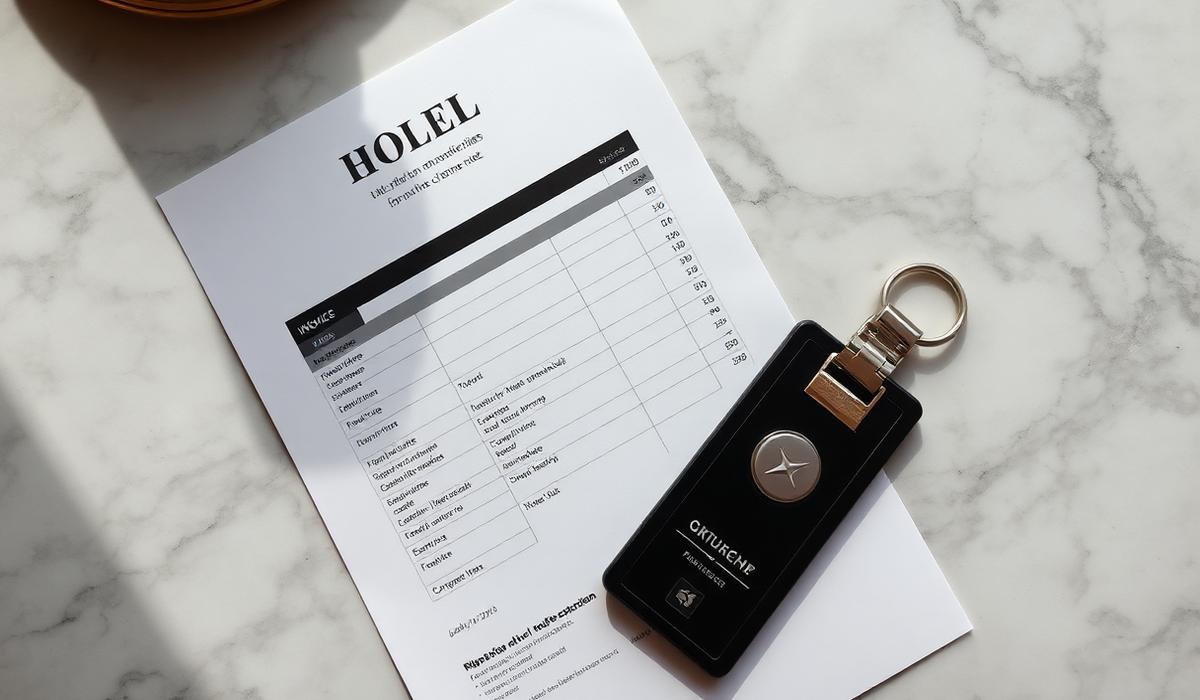
Resort fees, common in destinations like Las Vegas, Orlando and parts of the Caribbean, are usually charged per night and cover amenities such as pool access, wifi or a fitness centre regardless of whether you use them. When you shorten a stay, the resort fee for the nights you no longer need typically drops away, but if you cancel a prepaid package that bundled the resort fee into a single upfront charge, do not assume it will be itemised and refunded separately. Ask the hotel directly how the fee is treated in your specific cancellation.
Security deposits, common for vacation rentals and some independent hotels, are a separate matter again. These are usually authorised on a card at check in and released within a set number of days after checkout, and a change in dates does not usually affect the deposit process itself.
A step by step approach that works in most situations
- Locate your original confirmation and read the rate and cancellation policy in full.
- Identify whether you booked directly with the property or through an intermediary.
- Try the self service "manage booking" option first, since it is fastest and creates a written record.
- If you need to call, note the hotel's local time zone. Calling the property directly during a quiet period, typically mid-morning, often gets a more attentive answer than calling during a check-in rush in the late afternoon.
- Ask specifically what fee, if any, applies to the change you want, and ask for it in writing or by email before you confirm.
- If money is on the line and the answer feels wrong, ask to speak to a manager or a supervisor, and mention loyalty status or repeat business where genuinely relevant.
- Keep a written record of every step, including names, dates and confirmation numbers.
When travel disruption is the reason for the change
If your hotel change is a knock-on effect of a flight problem, such as a cancelled connection covered in our guide on what to do when your flight is cancelled, many hotels will show more flexibility than their written policy technically requires, especially if you can show documentation of the disruption. It never hurts to explain the situation plainly and ask, since hotel staff generally have more discretion than airline agents working inside a rigid fare system, and losing a loyal or repeat guest over a one night fee is rarely worth it to the property.

Group and multi-room bookings need a different approach
Everything above assumes a single room booked by a single traveller. Group bookings, defined by most hotels as anything from five rooms upward, run on a completely different set of terms. Group contracts typically have their own attrition clauses, meaning the group can release a percentage of unused rooms by a set date without penalty, and a separate, usually stricter, deadline for cancelling the block entirely. If you are the one who signed the group contract for a wedding, reunion or corporate retreat, read the attrition and cancellation clauses long before the cutoff date arrives, because the penalty for missing that date is often calculated on the full contracted room count rather than the rooms you actually expect to use.
Individual guests inside a group block usually cannot change their own reservation without going through the group organiser or the specific booking link that was set up for the block, since the hotel's system ties those rooms together. If you are a guest rather than the organiser, contact the organiser first before calling the hotel directly, since the hotel may simply redirect you back to them anyway.
Vacation rentals and non-hotel accommodation
Platforms such as Airbnb and Vrbo run their own cancellation frameworks that sit outside anything a traditional hotel offers, and hosts choose from a small menu of standard policies, ranging from flexible to strict to a long-term or "super strict" tier for extended stays. Unlike a hotel, there is generally no direct conversation with a front desk to fall back on. Everything runs through the platform's resolution system, including any partial refund for extenuating circumstances, and the host has far less discretion to bend the stated policy than a hotel manager typically has. If your trip involves a vacation rental leg, check that specific cancellation policy separately from any hotel nights in the same trip, since the two are not interchangeable and the deadlines rarely line up.
Common mistakes travellers make when changing a hotel booking
- Assuming the price you see today still matches your original rate. If you extend a stay or add a night, the added night is usually priced at whatever the current rate is, not the rate you locked in originally, which can come as a surprise during a busy period or a local event.
- Cancelling instead of modifying. Some travellers cancel a reservation outright and rebook new dates rather than asking the hotel or OTA to simply modify the existing one. If the original booking was prepaid, cancelling can trigger the non-refundable penalty even though a modification to the same booking might have been handled at no cost.
- Not checking the local check in time zone. A cancellation deadline of "6pm the day before arrival" is almost always the hotel's local time, not yours. Missing this by a few hours across time zones, easy to do when booking a hotel in London from the United States, can turn a free cancellation into a charged one.
- Forgetting to confirm the change in writing. A verbal confirmation over the phone is easy to dispute later. Ask for a confirmation email or a new folio showing the updated dates before you hang up or close the chat window.
The bottom line
Changing a hotel reservation is rarely about persistence and mostly about knowing which document governs your booking and which company actually holds the keys to change it. Read the rate rules before you book if there is any chance your plans will shift, favour flexible or direct bookings when your dates are uncertain, and when you do need to make a change, go to the party that controls the reservation first rather than the one that is easiest to reach. That single decision saves more time than any script or phone trick.
Where to go next
Two more guides pair well with this one. read how-to-change-your-flight-date, Fixing a Wrong Booking Before It Costs You. The full Change Station index lists every guide in this module, and Rules Station covers the side of the trip this article does not. If the dates themselves are still moving, the itineraries in Route Station are built to absorb a shifted day.
Frequently asked questions
Related articles
Keep reading across the network

Change Station · 10 min read
How to Change Your Flight Date
A step by step process for moving a flight to a different date, what fare difference means, and when a change is worse than a new ticket.

Change Station · 12 min read
Fixing a Wrong Booking Before It Costs You
The most common flight booking mistakes, from wrong dates and airport codes to duplicate bookings, and how to fix each one quickly and cheaply.
Fix Station · 12 min read
What To Do When Your Flight Is Cancelled
The first ten minutes matter most. A practical order of actions for rebooking, refunds, hotels and compensation after a cancellation.