
Delayed Baggage: The First 24 Hours and What Comes After
What to do in the first day after your checked bag fails to arrive, what you can reasonably buy and claim back, and how delivery to your hotel or home usually works.
12 min read · Updated March 2025

A delayed bag is, statistically, a much more common and much less alarming event than a lost one. The overwhelming majority of checked bags that do not arrive on the same carousel as the passenger are found within a day or two, usually because they missed a tight connection or were loaded onto a later flight by mistake, and are delivered to wherever the traveller is staying without the trip being seriously disrupted. The first 24 hours, though, are the period where a calm, methodical approach genuinely changes how smoothly the rest of the process goes.
This guide focuses specifically on that early window: what to do the moment you notice a bag is missing, what you can reasonably buy and expect reimbursed, how delivery logistics actually work once the bag is found, and what a handful of real traveller scenarios look like in practice. If your bag is still missing well beyond this window, our lost baggage guide picks up where this one leaves off.
The first hour: reporting it properly
Before you leave the arrivals hall, go to the baggage service desk, usually tucked near the carousels and separate from the main check-in area, and file a report. Bring your boarding pass and the baggage claim tag stub, normally stapled to your ticket receipt or tucked into your phone wallet if you checked in digitally. You will be asked to describe the bag, ideally with a photo if you have one on your phone from earlier in the trip, and you will be given a reference number, sometimes called a file reference or PIR number.
Ask directly at the desk what the airline's process is for interim expenses and delivery, since this differs by carrier and sometimes by airport. Staff at a major hub like Los Angeles, Singapore Changi or Charles de Gaulle handle this dozens of times a day and can usually tell you immediately whether the airline reimburses per receipt or offers a flat allowance, and roughly how delivery normally works from that airport.

What to buy, and how to think about it
Airlines generally reimburse expenses that are reasonable and necessary given the circumstances, not everything you might want to buy on a shopping trip. A toothbrush, a change of underwear, a phone charger if yours was packed in the missing bag, and any essential medication are close to universally accepted. A new outfit for a business meeting the next morning is usually fine too, particularly on international delays. Buying an entirely new wardrobe, luxury toiletries, or replacement luggage before the airline has confirmed the original bag is not simply a day away is where claims tend to get pushback.
A useful rule of thumb: buy what you would genuinely need if this delay stretched to three or four days, not what you would buy if you knew for certain the bag was gone for good. Keep every receipt, note the date and location of purchase, and submit them as a batch once you are home or once the bag arrives, whichever comes first. Do not wait until the end of a long trip to submit interim expenses, since some airlines apply a claim window that starts from the date of the delay rather than the date you get home.
| Category | Usually reimbursable | Often disputed |
|---|---|---|
| Toiletries | Toothbrush, basic toiletries, contact lens solution | High-end cosmetics or fragrance |
| Clothing | One or two changes of essential clothing per day of delay | A full new wardrobe or designer items |
| Electronics | A basic charger if the original was in the bag | A replacement phone, tablet or camera |
| Luggage | Usually not covered until the bag is declared lost | A new suitcase bought within the first day or two |
| Medication | Essential prescription refills, with a pharmacy receipt | General wellness or supplement purchases |
How delivery actually works once the bag is found
Most large airlines do not deliver recovered bags themselves. They contract specialist baggage courier companies, and once your bag is scanned back into the system at the airport it is handed to that courier with your delivery address attached. If you gave a hotel address, confirm the hotel's exact name, room number if you have it, and expected checkout date at the time you file the report, since a courier turning up after you have already checked out is one of the most common causes of a second, avoidable delay.
If your trip involves moving between multiple hotels, as on a multi-city itinerary through somewhere like Seoul and then onward, it is worth giving the baggage desk a full forwarding schedule rather than just the first hotel, and calling to update the delivery address if your plans change before the bag is found. Most airlines will redirect a bag mid-transit if you call the baggage tracing line with enough notice.

Delivery to a private residence, once you are home, is usually the simplest scenario, since the address is fixed and couriers generally attempt delivery within a defined window, often specifying a rough time slot by phone or text beforehand. Keep your phone reachable during that window, since a missed delivery can push the bag back a further day while it is rescheduled.
Three traveller scenarios
The tight connection scenario
A traveller flying Delta from Atlanta to Frankfurt with a tight connecting time onward to Prague had bags checked through to the final destination, but the connection was too short for ground crews to transfer the bags in time. The bags arrived a day later on the next flight and were delivered directly to the traveller's Prague hotel that evening, at no cost. This is the most common delayed baggage scenario by a wide margin, and it resolves quickly precisely because the bag's location is known almost immediately.
The misrouted tag scenario
A traveller connecting through London Heathrow on a British Airways codeshare had a bag mistakenly routed onto a flight to a different city entirely, due to a tag misread during a high volume period. This case took closer to three days to resolve, since the bag had to be identified at the wrong destination, flown back, and rerouted. The traveller's detailed description and a photo of the bag, provided at the original report, were what allowed staff at the wrong airport to correctly match it.
The multi-leg mismatch scenario
A traveller on a self-connected itinerary, booking a United flight into Chicago separately from an onward flight, checked bags only to the first stop as instructed by the airline, then had to reclaim and recheck them for the second leg. Confusion over that process led to bags being checked slightly later than planned and missing the connection. This scenario is really a reminder covered in more depth in our connecting flight rules guide, since self-connected itineraries carry baggage risks that through-checked itineraries generally do not.
How carriers typically compare on the delayed-bag window
Exact policies change and vary by route and fare, so always check your specific carrier's conditions of carriage, but the general pattern most travellers report looks roughly like this.
| Airline | Typical interim expense approach | Typical delivery method once found |
|---|---|---|
| American / Delta / United | Reimbursement against receipts, sometimes with a suggested daily guideline | Contracted courier to hotel or home address |
| British Airways / Lufthansa | Reimbursement against receipts, often with a published reasonable range | Courier delivery, tracked through the airline's own bag tracking tool |
| Ryanair and other low cost carriers | Usually more limited, check terms closely, some require the claim to be filed within a shorter window | Courier delivery, though timelines can run longer on thinner route networks |
| Emirates | Reimbursement against receipts, often with an amenity kit offered at the desk on longer delays | Courier delivery, including internationally if you have already left the arrival city |
Common mistakes in the first 24 hours
- Leaving the airport before filing a report, then trying to file one later by phone with no reference number.
- Buying replacement luggage or high value items before the airline has even had a day to locate the bag.
- Giving the baggage desk only your first hotel on a multi-city trip and never updating it when plans change.
- Assuming a delay on a codeshare flight is being tracked under the flight number on your boarding pass rather than the operating carrier's number.
- Not checking your phone for delivery attempt calls, which can push a found bag back a further day if missed.
Exact wording to use at the baggage desk and by phone
At the desk: "My bag didn't arrive on flight [number] from [origin]. Can you file a property irregularity report, give me the reference number, and tell me how interim expenses and delivery work for this airport." By phone a day or two later: "I'm following up on PIR [reference], filed on [date]. Can you tell me the current tracing status and confirm the delivery address on file is still correct." Both are short enough that an agent can answer within the same call, and both put the reference number up front so the agent does not have to search for your case by name alone.
Edge cases: codeshares, self-connections and terminal changes
On a codeshare, for example a United-marketed flight actually operated by Lufthansa into Chicago, the bag is tracked in the operating carrier's system. If a United agent cannot find your case, ask them to search under the Lufthansa flight number instead. On a self-connected itinerary, where you booked two tickets separately, for example a long-haul into Los Angeles followed by an unrelated domestic booking, you are normally responsible for collecting and rechecking your own bag between the two, and a delay on the first flight has no bearing on the second airline's obligations at all. And when your itinerary involves a terminal change, such as an international arrival that connects to a domestic departure at a different building, tell the baggage desk exactly where the change happens, since a bag misrouted during that physical transfer is often found faster once staff know to check that specific point.
A quick timeline reference
- 0 to 4 hours: most delayed bags that missed a tight connection are already identified as being on a later flight the same day.
- 24 hours: the large majority of delayed bags are found and either in transit to you or already delivered.
- Around 5 to 14 days: if still missing, most airlines shift the case into active tracing rather than a simple delay.
- Around 21 days: many carriers formally reclassify an unfound bag as lost, though this varies, and move to a claim and settlement process.
When a delay starts looking like something more serious
If a bag has not been located after several days of active tracing, or if the airline itself begins using language like formal loss declaration rather than delay, it is time to shift into the lost baggage process proper, including a full inventory and, where relevant, understanding the airline's liability limits. That transition, and everything that follows it, is covered fully in the lost baggage guide. If your bag does eventually turn up damaged rather than simply late, our damaged luggage guide covers reporting windows and what to photograph before you leave the airport.
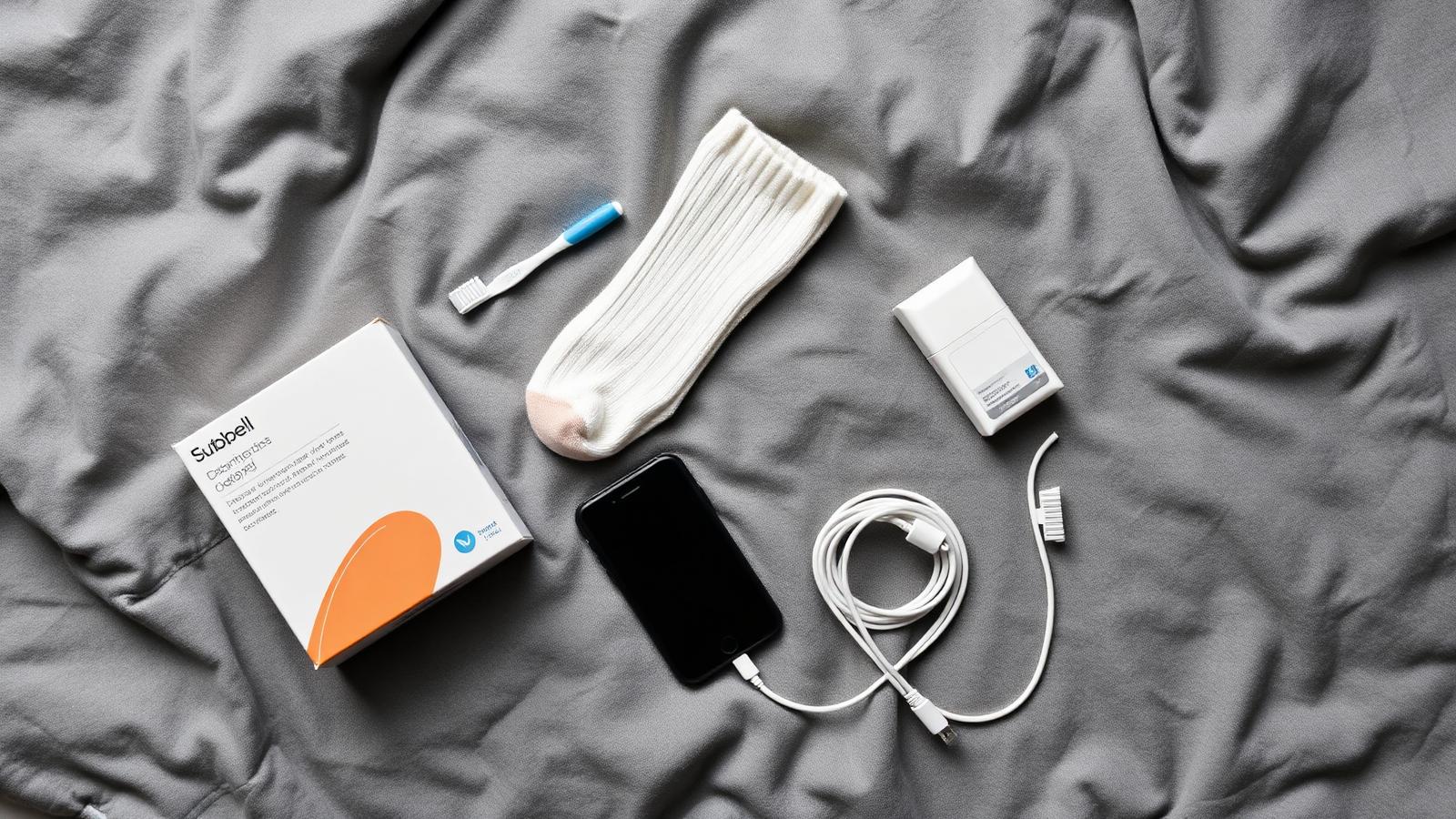
The single most useful habit through all of this is simply staying organised from the first hour: the report reference, a copy of every receipt, and a note of who you spoke to and when. Nearly every delayed bag story ends well, and the ones that end well quickly are almost always the ones where the traveller treated the first day carefully rather than assuming it would sort itself out. For broader disruption support beyond baggage specifically, the Fix Station hub covers cancellations, delays and rebooking as well.
Frequently asked questions
Related articles
Keep reading across the network

Fix Station · 13 min read
The Lost Baggage Guide: From Delayed to Declared Lost
How airlines actually classify a missing bag as it moves from delayed to lost, what documentation you need at each stage, and how liability limits and travel insurance interact.

Fix Station · 12 min read
Damaged Luggage: Problem, Solution, Outcome
A practical, three-part walkthrough of dealing with damaged checked luggage, from the reporting window at the carousel to repair, replacement, and depreciation.

Fix Station · 13 min read
Missed Connection Recovery Guide
What to do in the first fifteen minutes after you miss a connecting flight, how protected itineraries work, and real transfer time examples from DFW, ATL, AMS and LHR.