
Damaged Luggage: Problem, Solution, Outcome
A practical, three-part walkthrough of dealing with damaged checked luggage, from the reporting window at the carousel to repair, replacement, and depreciation.
12 min read · Updated March 2025
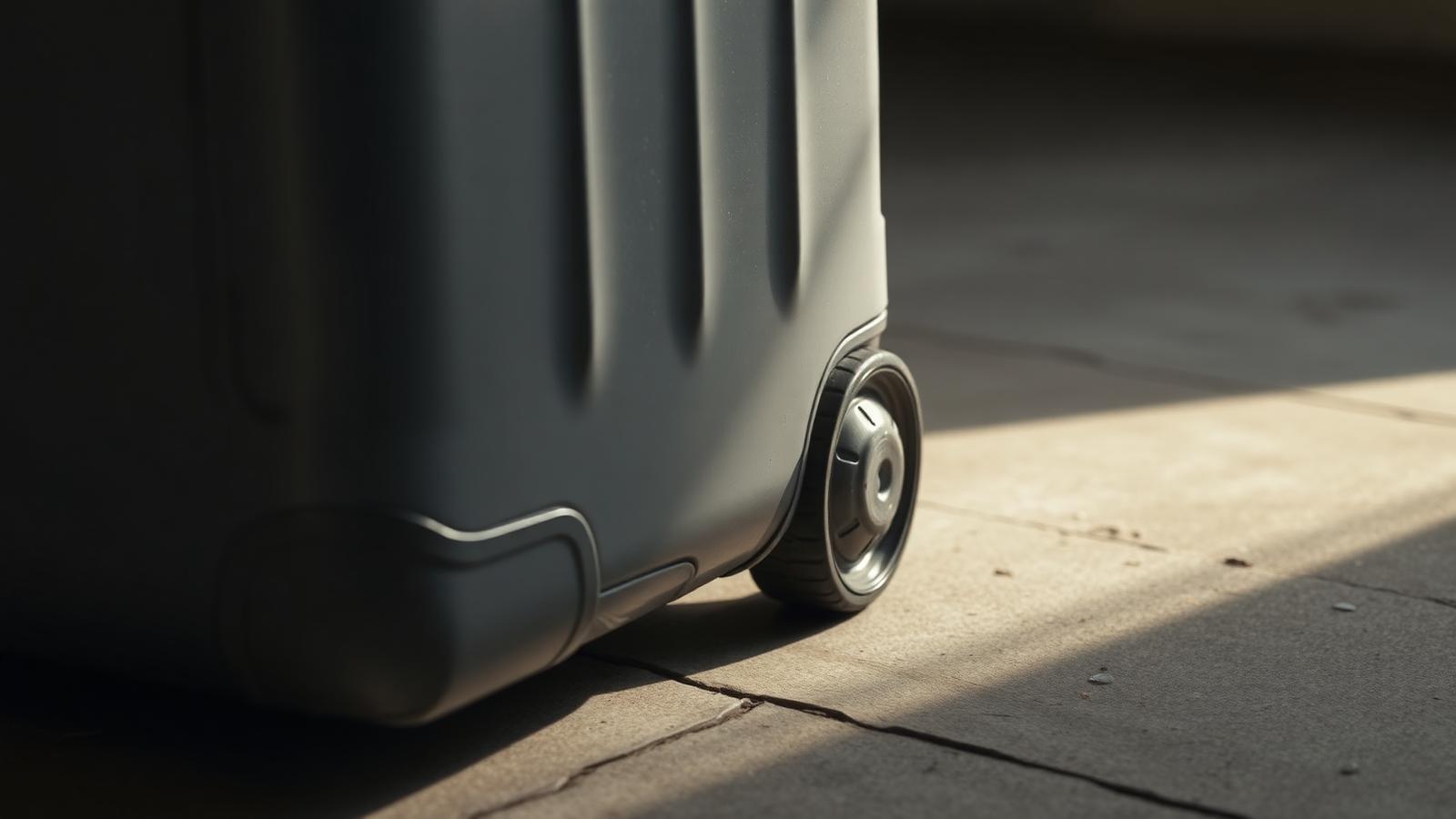
Damaged luggage sits in an odd middle ground compared with lost or delayed bags. The bag is right there in front of you, so there is no uncertainty about where it is, but there is often real uncertainty about whether the airline will accept responsibility for what happened to it. A cracked shell, a missing wheel, or a broken zipper pull can each be treated very differently depending on how it happened, how it is reported, and how quickly you act. This guide works through the problem, the practical steps to solve it, and the outcome you can reasonably expect at each stage.
The problem: what actually counts as damage
Not everything that looks wrong with a suitcase after a flight is something an airline will compensate. Most carriers, including American, Lufthansa and Emirates, publish conditions of carriage that draw a fairly consistent line: structural damage, meaning cracked frames, torn fabric panels, or a shell that no longer closes properly, is generally covered, while cosmetic wear, meaning scuffs, scratches, and dirt, generally is not. This is not an arbitrary distinction. Suitcases are handled roughly by design, dropped a short distance onto belts, stacked in containers, and dragged across tarmac, and airlines treat superficial marks from that process as ordinary wear rather than mishandling.
The genuinely contested middle ground is wheels, handles, straps, and feet. These parts fail for two very different reasons: sudden impact damage, which airlines generally do accept as a legitimate claim, and gradual wear from years of use, which they typically do not. A wheel that snaps clean off after a visibly rough baggage handling incident is a different claim from a wheel that has been wobbling for the last six trips and finally gives out. The same logic applies to bags with items strapped externally or wheels that already protruded awkwardly before the flight, since airlines often exclude damage to protruding parts on the basis that the packing choice contributed to the failure.
The solution: reporting, evidence, and the workshop route
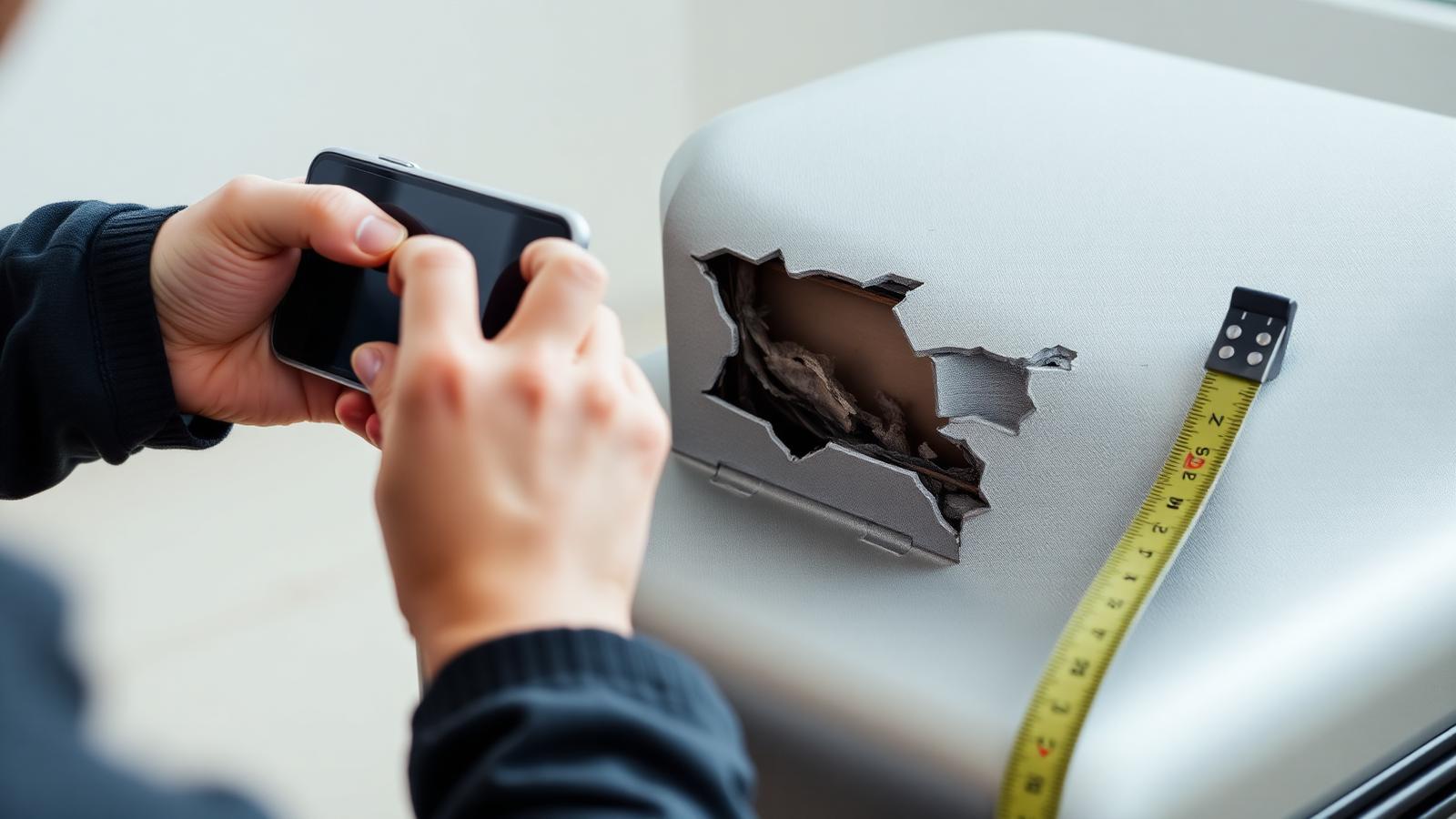
Report damage before you leave the baggage hall, at the same desk where you would report a missing bag. Reporting windows are typically short, sometimes measured in hours rather than days for visible external damage, so this is not a step to put off until you get to your hotel. Staff will usually photograph the bag themselves and give you a reference number, but take your own photographs as well, from multiple angles, including anything still inside the bag if the damage looks like it could have affected the contents.
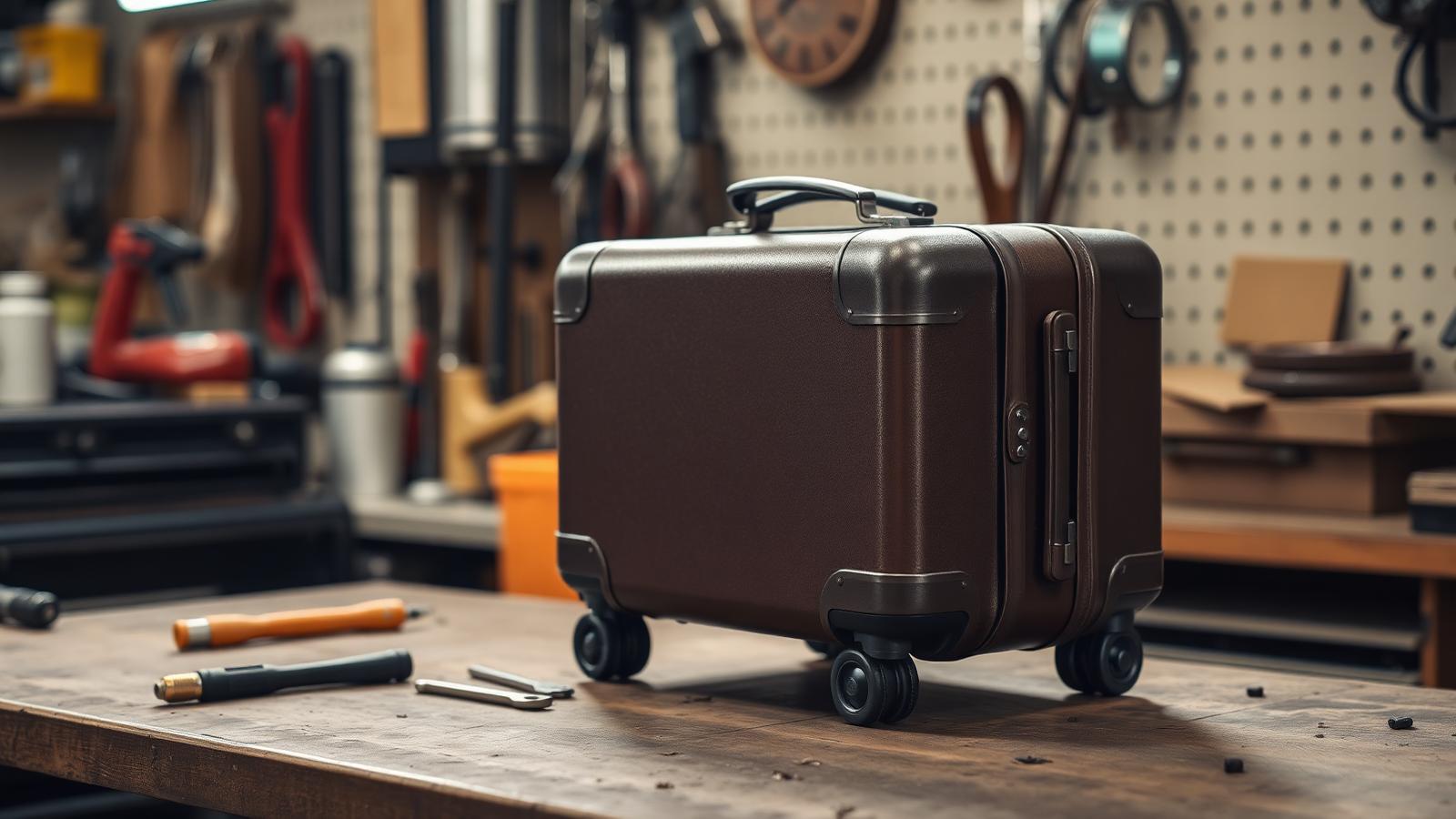
Once a claim is opened, most large airlines route it toward a contracted luggage repair partner before considering cash compensation. This is standard practice, not a way of avoiding the claim, since a repair is usually cheaper and faster for the airline than a cash settlement, and often faster for you as well. If you are flying through a major hub such as JFK, LHR or FRA, there is a reasonable chance the airline can direct you to a repair workshop with same-day or next-day turnaround. In smaller airports, the bag may need to be shipped to a repair centre, which naturally takes longer.
It is worth being clear with the airline early on about your preference. If the bag is old, sentimental, or simply not something you want repaired, say so and ask directly whether a cash settlement or replacement is available instead of a repair. This does not guarantee that option, since the airline's default position is usually repair first, but it avoids the process defaulting to a repair you would rather not have.
The outcome: repair, replacement, or depreciation
If a repair genuinely restores the bag to a functional condition, that is usually where the claim ends, often with no cash paid at all. If the bag cannot be reasonably repaired, most airlines will move to either a replacement bag of similar type and quality, or a cash settlement calculated with depreciation applied for the age of the original bag. A five-year-old suitcase will not be settled at its original retail price, even with a receipt, since airlines apply a standard depreciation schedule that reduces the payout the older the item is.
This is where keeping a receipt, even an old one, or at minimum knowing the original purchase price and approximate date, genuinely helps. Without any reference point, an airline will estimate value on the low end, and there is little basis to push back. A clear photo of the bag's original condition from an earlier trip, if you happen to have one on your phone or social media, can also help support a claim that the bag was in reasonable condition before the damage occurred.
| Type of damage | Typical treatment |
|---|---|
| Cracked shell or broken frame | Usually covered; repair attempted first, replacement if unrepairable |
| Minor scuffs and scratches | Generally excluded as normal wear and tear |
| Broken wheel from sudden impact | Often covered if damage is clearly sudden rather than gradual |
| Worn or wobbly wheel from years of use | Usually excluded as wear and tear |
| Torn external pocket or protruding strap | Often excluded, particularly on overpacked bags |
| Broken zipper pull or slider | Frequently repairable and accepted for repair |
The photograph protocol that actually helps a claim
Photographs make or break a contested damage claim more than almost anything else you can do, and it is worth being systematic about them rather than snapping one quick picture at the carousel. Photograph the damage from several angles, including a wide shot that shows the whole bag and closer shots of the specific damaged area, ideally with something for scale like a boarding pass placed next to the crack or broken part. If the bag has an airline tag still attached, photograph that too, since it ties the images to the specific flight. If you can, photograph the bag again once you get home under better light, since airport lighting is often poor and can obscure exactly how serious the damage is. Keep the original photographs, do not crop or edit them, and email a set to yourself immediately so there is a timestamped record independent of your phone.
The written notice window under the Montreal Convention
For international travel, the Montreal Convention sets a specific written notice requirement for damaged baggage, generally seven days from the date you received the bag, which is considerably longer than many airlines' own internal reporting windows for reporting damage at the airport itself. This distinction matters because reporting the damage verbally at the baggage desk on arrival satisfies most airlines' immediate reporting expectations, but if a dispute drags on, having a written notice, an email or a formal claim form, sent within that seven day window protects your position under the Convention regardless of how the airline's own internal process is running. It is worth sending a short written notice even if you already reported the damage in person, simply so there is a dated written record inside that window.
Repair versus replacement versus depreciated value
Airlines generally work through these three outcomes in that order, and understanding the order helps you push for the one you actually want rather than accepting whichever comes first. A repair is usually offered first because it is cheaper and often faster for everyone involved, and for a bag with meaningful structural damage but no sentimental attachment, accepting a repair through a contracted workshop is often the smoothest path. Replacement generally only becomes an option if a repair is not realistic, meaning the damage is too extensive or the model is discontinued and parts are unavailable. A cash settlement with depreciation applied is usually the last resort from the airline's side, and it is where the age of the bag, any receipt or proof of original price, and the specific depreciation schedule the airline applies all start to matter, since the payout for an older bag can be considerably less than you might expect even for extensive damage.
Wheels, handles, and the exclusions worth reading closely
Many carriers' conditions of carriage carve out wheels, feet, straps, and handles as parts excluded from standard damage claims, treating them as consumable or wear-prone components rather than structural parts of the bag. This does not mean every broken wheel is automatically declined, since a wheel that snaps off cleanly during an obviously rough handling incident is a different claim from one that has been loose for months and finally gave out, but it does mean these specific parts face a higher bar of evidence than a cracked shell or a torn panel. If a wheel or handle claim is declined, ask specifically what evidence would change the outcome, since some airlines will reconsider if you can show the damage was sudden rather than gradual, for example through baggage handling camera footage or a report from ground staff who witnessed rough handling.
High value items and declared value
Standard checked baggage liability limits, whether set by the Montreal Convention or an airline's own conditions of carriage, are not especially generous once you factor in a bag containing anything genuinely valuable, and most airlines explicitly exclude items like electronics, jewellery, and camera equipment from standard baggage liability altogether, whether the claim is for loss or damage. Some airlines offer a declared value or excess valuation service for an additional fee at check-in, which raises the liability ceiling for that specific bag, though it is worth reading the fine print, since even a declared value service often still excludes certain categories of item entirely. For genuinely valuable items, carrying them in cabin baggage rather than checked luggage remains the more reliable protection, since it removes the item from the baggage handling process altogether.
Layering credit card and travel insurance coverage
Many premium credit cards include a baggage damage benefit as a card perk, and it is worth checking whether yours does before assuming the airline's settlement is the only money available. These benefits typically require you to have paid for at least part of the trip on that card and often require you to have already filed and received a decision from the airline first, since card benefits are usually structured to supplement rather than duplicate the airline's own liability. Travel insurance policies work similarly, often requiring the airline's claim to be filed first and asking for the airline's response as part of your insurance claim. Filing in the right order, airline first, then card benefit or travel insurance for any shortfall, tends to produce a better combined outcome than trying to claim from all three at once.
A worked claim timeline
A realistic timeline for a contested wheel damage claim through a major airline might look like this: you report the damage at the baggage desk on arrival and photograph it yourself, day one. You send a short written notice by email within the seven day Montreal Convention window as a safeguard, even though you already reported it in person, around day three. The airline responds with an initial decision, sometimes offering a repair through a contracted workshop, around week two. If the repair offer is inadequate or the claim is declined outright, you escalate with your photographs and any handling evidence, which can add another two to four weeks. If a cash settlement is eventually agreed, payment can take a further few weeks to process. Altogether, a straightforward repair claim might resolve within one to two weeks, while a contested cash settlement claim can easily run past a month from the original incident.
If your bag was checked in a condition that already pushed the limits of what airlines consider acceptable, for example overstuffed to the point of straining the zippers, it is worth reviewing our checked baggage guide before your next trip, since some damage disputes trace directly back to how a bag was packed rather than how it was handled. And if the damaged bag was part of a wider disrupted journey, perhaps following a missed connection that led to rushed handling, our missed connection recovery guide covers that side of things.
Damaged luggage claims tend to move faster and land better than either delayed or lost bag claims, mostly because the evidence is immediate and visible rather than something that has to be pieced together from an inventory list. Report promptly, photograph thoroughly, and be clear about whether you want a repair or a settlement, and most claims resolve within one to three weeks. For the full range of on-the-ground fixes Fix Station covers, head back to the Fix Station hub.
Frequently asked questions
Related articles
Keep reading across the network

Fix Station · 13 min read
The Lost Baggage Guide: From Delayed to Declared Lost
How airlines actually classify a missing bag as it moves from delayed to lost, what documentation you need at each stage, and how liability limits and travel insurance interact.

Fix Station · 12 min read
Delayed Baggage: The First 24 Hours and What Comes After
What to do in the first day after your checked bag fails to arrive, what you can reasonably buy and claim back, and how delivery to your hotel or home usually works.
Rules Station · 13 min read
The Checked Baggage Guide
A step-by-step guide to checked baggage, from booking to the carousel: weight and size limits, overweight fees, sports gear, fragile items and interline transfers.